
Last updated August 27, 2026
Free in-home measure and quote - PGT, CGI and CWS impact lines compared on your actual openings, style by style
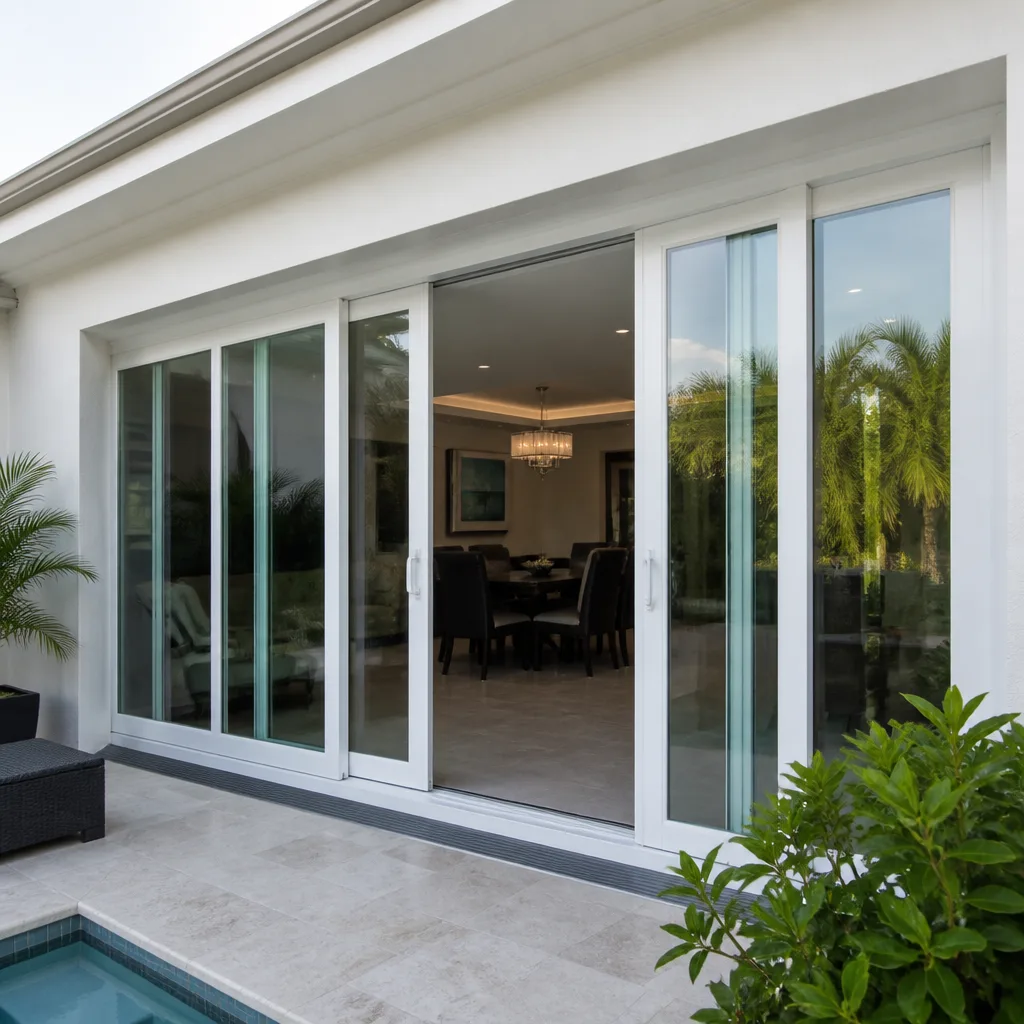
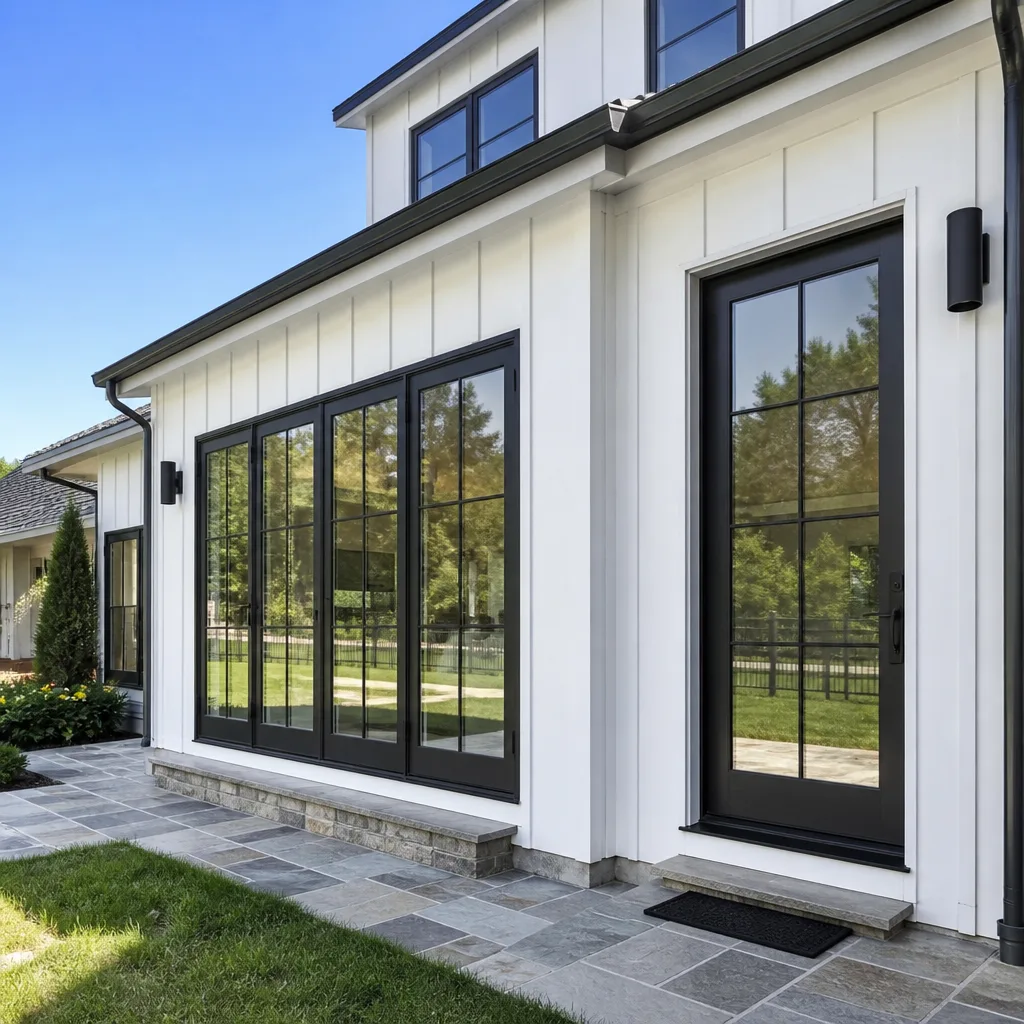
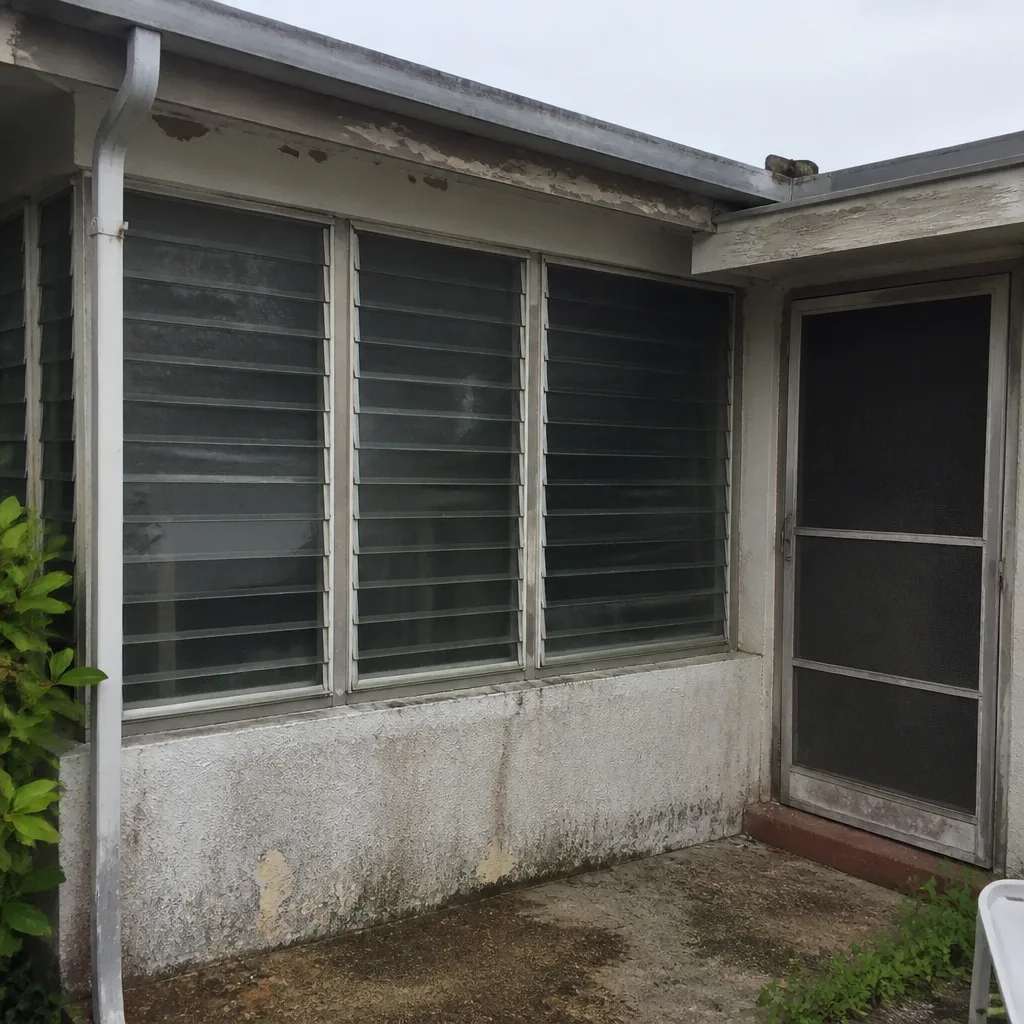 Before
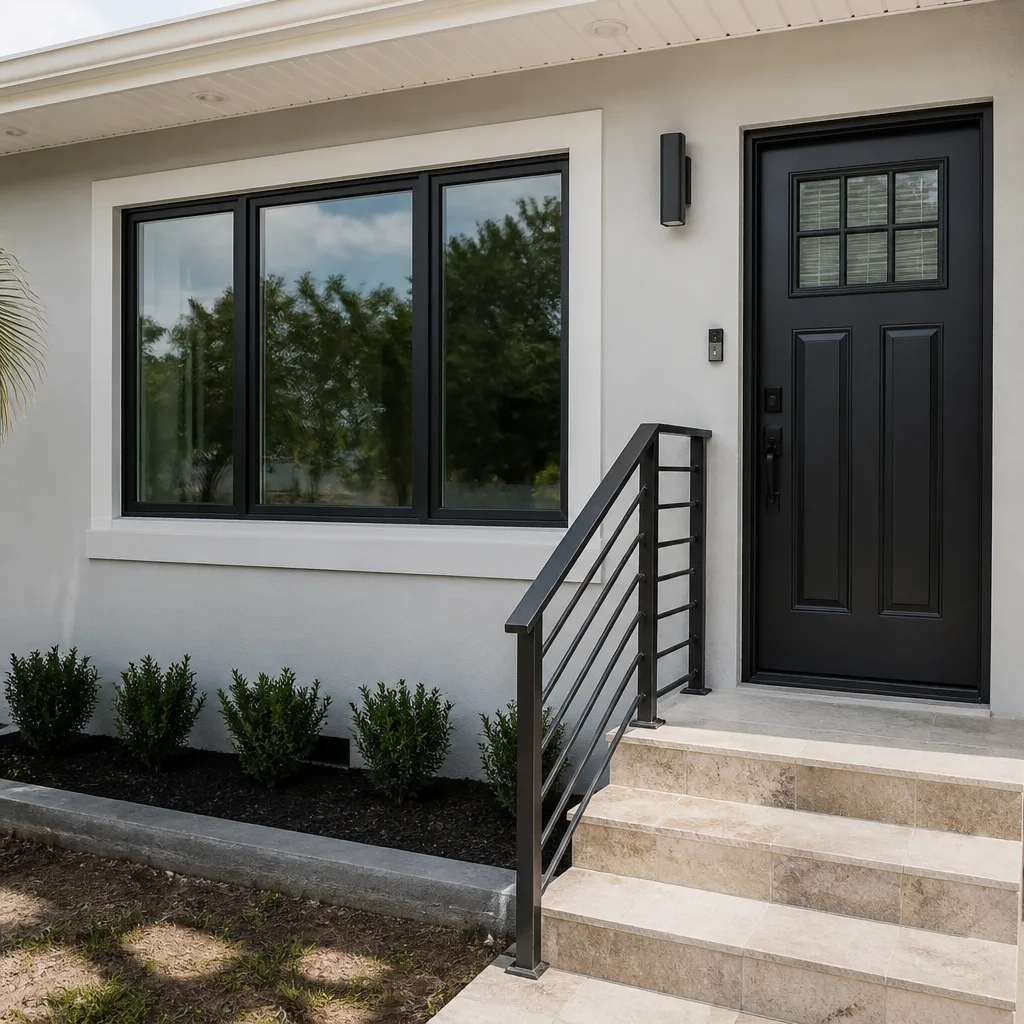 After
After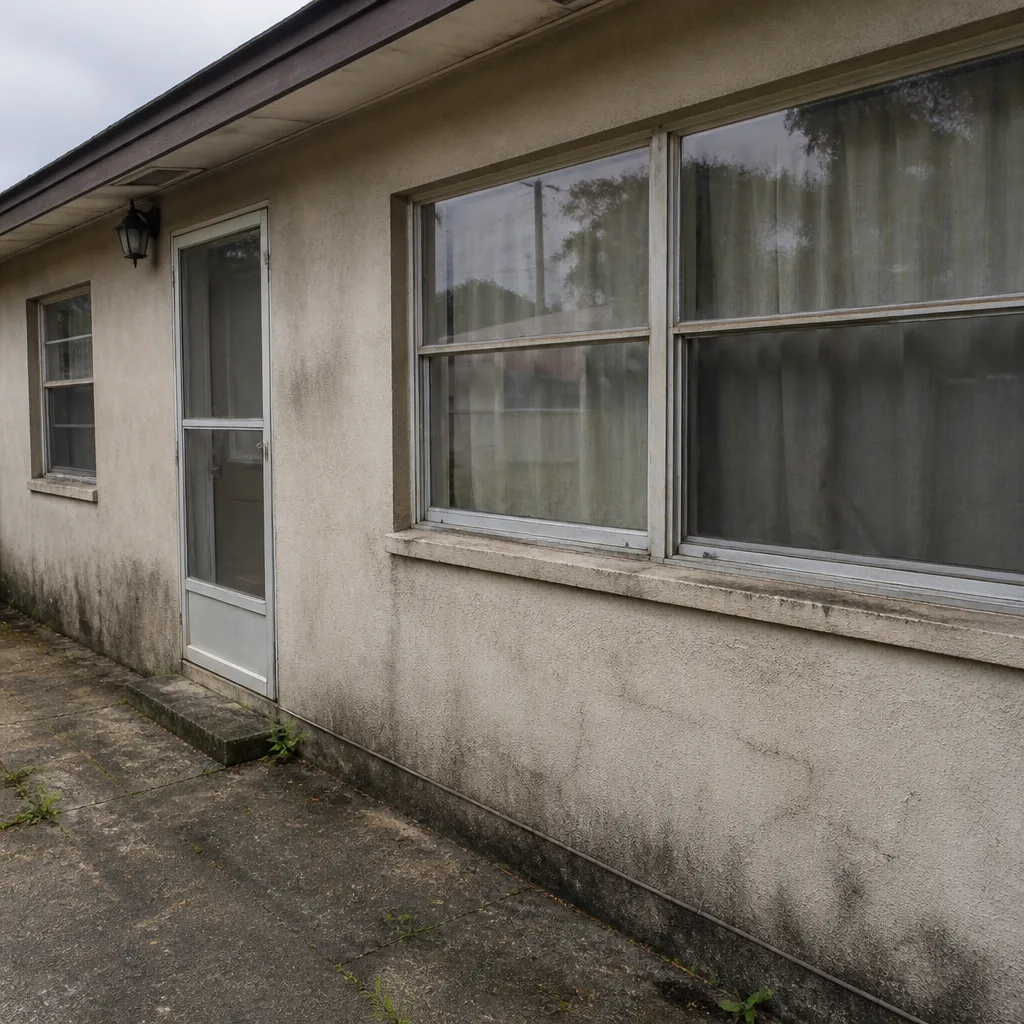 Before
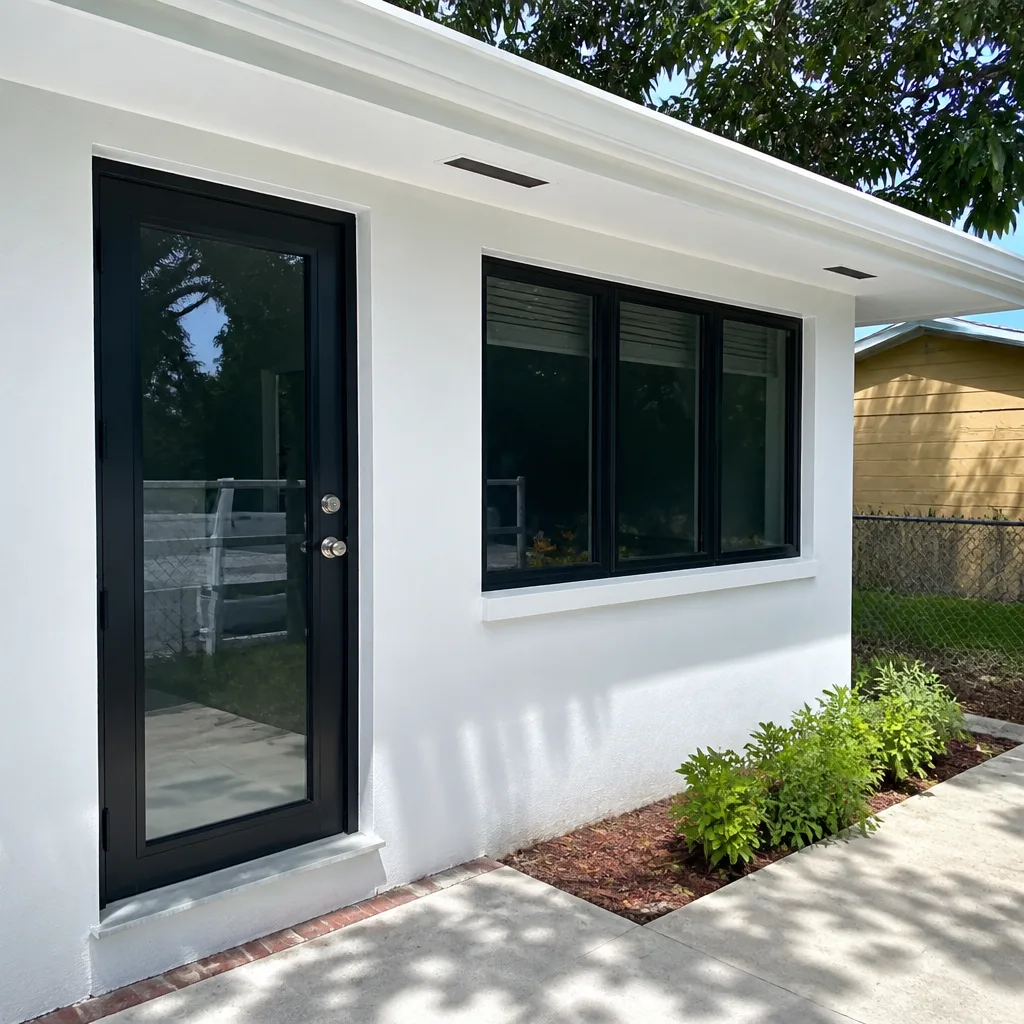 After
After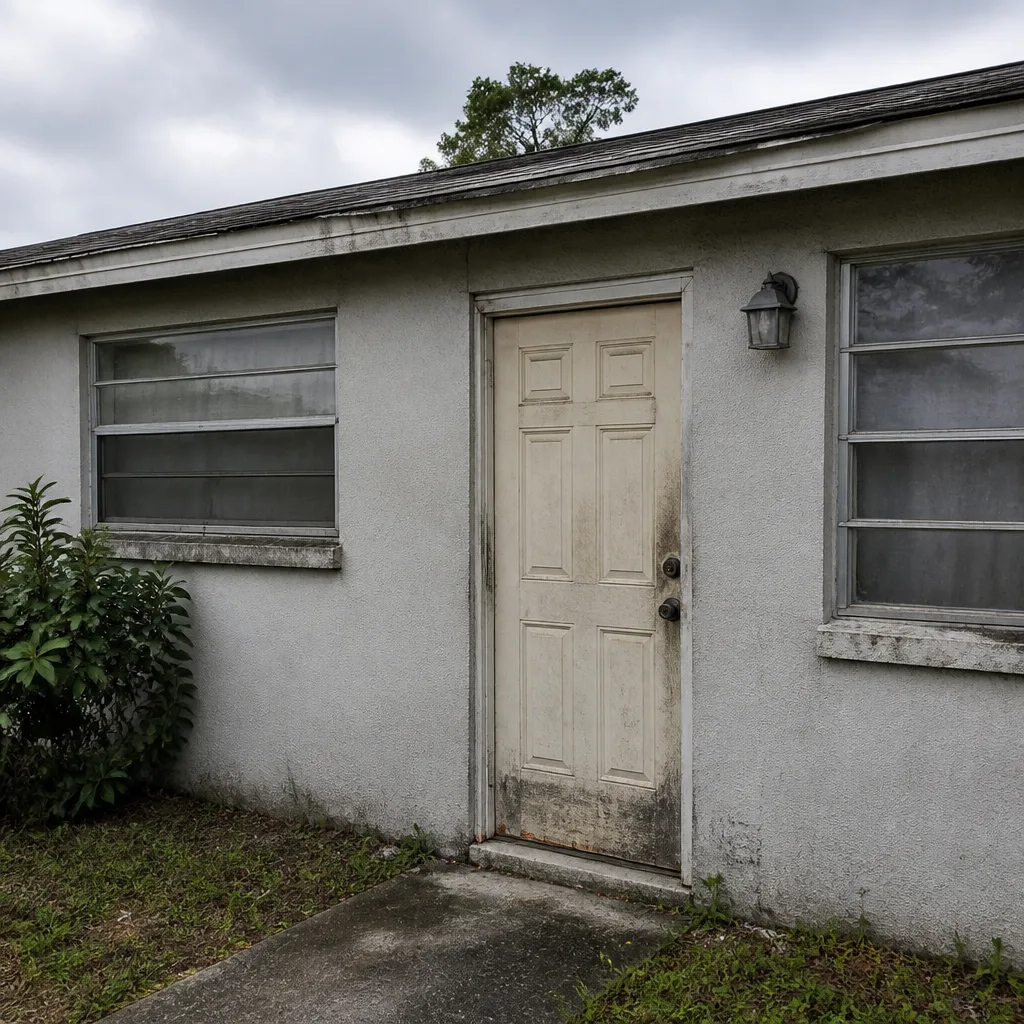 Before
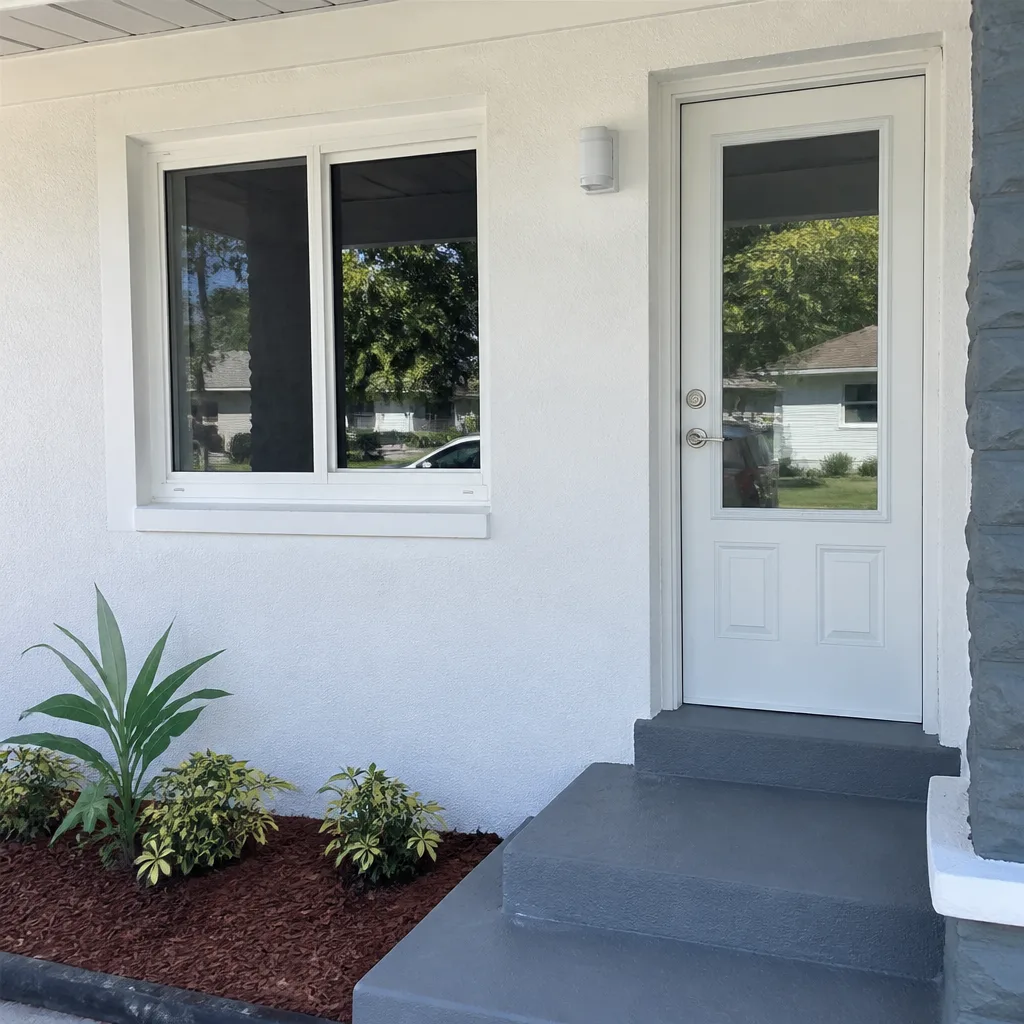 After
AfterWindows & Doors Permits, Codes & Inspections in FL: What You Need to Know
Here’s a number most Florida homeowners never hear until it’s too late: nearly one in four window and door replacements in Miami-Dade County is completed without a final passed inspection, according to what we see on repair calls across Gladeview and neighboring communities. That’s not a paperwork formality. In Florida, the permit and the inspection are the only legal proof that your windows meet the wind-load requirements your insurance company and your mortgage lender already assume are met. This guide walks through the three overlapping layers of Florida’s permitting system for windows and doors, the county-level rules that override the state code in Gladeview, the Notice of Acceptance document most more guides & resources never mention, and what happens when a permit is pulled but the inspection never gets scheduled. You’ll leave knowing exactly which authority governs your project and what documentation protects you when you sell, refinance, or file a wind-mitigation claim.
Quick Answer
Window and door replacement in Florida requires a building permit issued by the local building department (in Gladeview, Miami-Dade County), and the work must pass at least one inspection after installation. Because Gladeview sits in the High Velocity Hurricane Zone (HVHZ), every window, door, and skylight must carry a Miami-Dade Notice of Acceptance (NOA) or Florida Product Approval proving it passed specific impact and pressure testing, as detailed in our Complete Guide to Windows & Doors in Gladeview. A final passed inspection creates the paper trail that supports insurance discounts and clean home resale.
Table of Contents
- The Three Layers of Florida’s Window & Door Code
- Why HVHZ Product Approval Is Non-Negotiable in Gladeview
- The Notice of Acceptance: What It Is and How to Verify It
- The Permit-to-Inspection Timeline in Miami-Dade
- The Inspection Types Most Homeowners Don’t Know About
- ‘Permit-in-a-Drawer’ Syndrome and Its Consequences
- How a Passed Inspection Affects Insurance and Resale
- Common Mistakes to Avoid
The Three Layers of Florida’s Window & Door Code
Florida’s window and door code is not a single document. It’s a stack of three authorities, and the one most people understand least is the one that matters most in Gladeview.
Layer one: the Florida Building Code (FBC). The state sets the baseline for every window and door installed anywhere in Florida. Chapter 16 of the FBC establishes wind-load requirements based on the building’s Risk Category and location relative to the coast. Chapter 17 sets the requirement that products be approved by either the Florida Product Approval system or local equivalent. The FBC is updated every three years; the current cycle is the 8th Edition, adopted statewide at the end of 2023 and enforceable as of December 31, 2023. If your windows don’t meet FBC standards, no local inspector can legally approve them.
Layer two: the Miami-Dade County amendments. Here’s where Gladeview differs from Orlando, Tampa, or Jacksonville. Miami-Dade County maintains its own set of amendments to the Florida Building Code, and under Florida law, counties may impose stricter requirements than the state baseline. Miami-Dade does exactly that. The county requires that all windows, doors, skylights, and shutters in the High Velocity Hurricane Zone carry a Miami-Dade Notice of Acceptance, not just a Florida Product Approval. The county amendment to FBC Section 1609 makes this a hard legal requirement, not a recommendation. If you’re installing a window in Gladeview with a Florida Product Approval number but no Miami-Dade NOA number, the inspector will fail it. There’s no appeal, no exception, no grandfathering for products ordered before you knew the rule.
Layer three: municipal overlays. Some cities and towns in Florida add their own aesthetic or structural requirements on top of county rules. In unincorporated Gladeview, the governing authority is Miami-Dade County directly, so the county layer is the dominant one. In neighboring incorporated municipalities like Hialeah or Miami, a city building department issues the permit and performs the inspection, but the underlying technical requirements come from the same county amendments. The practical takeaway: if you live in Gladeview, you’re dealing with Miami-Dade Building Department from permit to final inspection, and the HVHZ rules apply to every opening in the exterior envelope.
Why HVHZ Product Approval Is Non-Negotiable in Gladeview
Gladeview sits squarely inside the High Velocity Hurricane Zone, the strip of Miami-Dade and Broward counties where hurricanes deliver sustained winds over 140 mph and debris impact is a survival-level concern. The HVHZ isn’t a weather forecast; it’s a legal designation that changes what products may be installed in your home.
In the HVHZ, a window must be tested and approved to withstand both positive and negative wind pressures far beyond what the rest of Florida requires. The two dominant test standards are TAS 201 (large missile impact) and TAS 202 (uniform static air pressure). A large missile test fires a 9-pound 2×4 at the window at 34 mph, then the window is subjected to thousands of cycles of positive and negative pressure to simulate hurricane-force winds. Products that pass receive either a Miami-Dade NOA or a Florida Product Approval that references Miami-Dade acceptance.
Without an HVHZ-compliant product, your window is considered non-conforming. That has real consequences. An unapproved window violates the county building code. It voids the product warranty from most manufacturers, who explicitly exclude installations that don’t meet local structural requirements. It complicates any future insurance claim if a storm blows the window in and water destroys the interior. And when you sell the home, a knowledgeable buyer’s inspector will flag it, and the lender may require remediation before closing.
In our experience replacing windows across Gladeview, we’ve seen homeowners order windows online from out-of-state suppliers offering “Florida-impact” product at deep discounts, only to discover the product carried a Texas or Louisiana approval, not a Miami-Dade NOA. The windows arrived, the permit application cited the wrong approval number, and the homeowner paid twice: once for the unusable product and again for a compliant replacement. Impact windows in Gladeview must carry Miami-Dade documentation, full stop.
The Notice of Acceptance: What It Is and How to Verify It
The Notice of Acceptance, or NOA, is the most important document in Miami-Dade window and door permitting, and it’s the one most online guides mention only in passing. Here’s what it actually is, what it must contain, and how to confirm it’s real before ordering a single window or door frame.
The NOA is a document issued by the Miami-Dade Product Control Section that certifies a specific product, made by a specific manufacturer, with specific components, passed specific tests. The NOA number typically follows the format “NOA No. 24-XXXX.XX” and is tied to a product drawing, a list of tested sizes, the hardware and fasteners used, and the maximum design pressure the product can withstand. A valid NOA is not a generic certificate. It’s specific down to the glass type, the frame extrusion, the anchoring method, and even the silicone sealant specified for installation.
Here’s how to verify an NOA in two minutes:
- Go to the Miami-Dade Product Control Search portal (accessible via miamidade.gov).
- Enter the NOA number your contractor or supplier provided.
- Confirm the product name and manufacturer match what you’re being quoted.
- Check that the expiration date has not passed. NOAs expire and must be renewed; a lapsed NOA is invalid.
- Verify that your exact window size, configuration, and framing material appear on the approved drawings. A product that passed testing for a 36-inch casement may not be approved as a 96-inch sliding door.
We install windows and doors from brands that hold current NOAs for the HVHZ, including Therma-Tru and ES Windows, and we verify the NOA for every opening in the estimate before the first truck rolls. If a contractor tells you “we’ll take care of the paperwork” but can’t show you the NOA number, pause. In Gladeview, that document is the difference between a window that closes and a window that closes and is also code-compliant.
The Permit-to-Inspection Timeline in Miami-Dade
The Miami-Dade permit process for window and door replacement is straightforward on paper: submit the permit application with product approvals, receive the permit, do the work, schedule an inspection, pass. In practice, the timeline depends on whether the application is complete, what type of review it triggers, and who schedules what. Here’s a realistic picture based on current Miami-Dade Building Department practices.
A window-and-door permit in Gladeview is typically classified as a “trades permit” or “building permit” depending on whether structural changes are involved. Straight replacement of a window with the same size opening usually qualifies for expedited review. The application requires a completed permit form, the product approval (NOA or Florida Product Approval), a scope-of-work description, and sometimes photos of the existing conditions. Once submitted, a standard window permit ranges from one to three business days to issue when the paperwork is clean. If the application is missing a signature, the NOA number doesn’t match the product, or the address information is inconsistent, the application goes into “rejects,” and the homeowner may wait a week to learn why.
After the window or door is installed, the inspection is requested through the same online portal or by phone. Inspections in Miami-Dade are generally scheduled on the next available date, which varies by district and inspector workload. Homeowners should expect the inspection to occur within one to five business days of the request. The inspection itself takes fifteen to thirty minutes. The inspector checks the anchoring, verifies the NOA sticker or label visible on every product, confirms the installation details match the approved drawings, and signs off or issues a correction notice.
If the inspector finds a problem, the correction must be made, and a re-inspection fee is required. The cost of a re-inspection in Miami-Dade currently runs just under $80. Most first-time window inspections pass when the products match the permit and the installer followed manufacturer specs. The failures we see on calls in Gladeview are usually missing NOA labels, anchoring that doesn’t match the approved method, or a window measured differently on site than on the permit.
The Inspection Types Most Homeowners Don’t Know About
Most homeowners assume one inspection covers a window or door installation. In Miami-Dade, depending on the scope, there may be several. Knowing which ones apply to your job matters because each carries a distinct purpose and failure risk.
- Framing inspection (rough-in). Required when the rough opening is being modified in any way: enlarging, narrowing, changing header size, or replacing rotted framing. The inspector verifies the structural framing before the window or door is set. In simple same-size replacements, this inspection is often skipped.
- Product approval verification. The inspector checks the NOA label or stamp on every installed product against the permit documents. If the label doesn’t match the permit, the inspection fails on the spot. This is the single most common point of failure we see in Gladeview.
- Fastener and anchoring inspection. The inspector confirms the anchoring pattern and fastener type match the approved installation method in the NOA. No substitute anchoring allowed, even if the installer believes it’s “better.” If the NOA says #10 screws at 6-inch spacing, that’s what the inspector verifies.
- Waterproofing and caulking inspection. Particularly for doors and sliding glass units where sill pan flashing and threshold sealing are part of the code requirement. Miami-Dade is aggressive about water-intrusion prevention because wind-driven rain in the HVHZ finds every gap.
- Final inspection. The umbrella sign-off that closes the permit. Without a final, the permit remains open, the work is not legally complete, and the homeowner’s wind-mitigation affidavit to the insurance company is unenforceable.
‘Permit-in-a-Drawer’ Syndrome and Its Consequences
Here’s a scenario we’ve unwound more than once for Gladeview homeowners. A previous homeowner hired a contractor, paid for new windows, got a permit number, and the work got done. But the final inspection was never scheduled. Or it was scheduled and failed, and the contractor said “we’ll fix it” and disappeared. The permit sat open in the county system, the homeowner had no passed inspection on record, and the problem surfaced years later when someone tried to sell the house.
An open permit is not a technicality. In Miami-Dade, an expired or open permit means the work is legally incomplete. When a home goes under contract, the title search and the county lien search pull open permits. The buyer’s lender may place conditions on the loan: the seller must close the permit before closing, or the lender requires an escrow holdback to cover the cost of completing the work. Some lenders refuse to finance the sale at all until the permit is finalized. The seller then pays for a retroactive inspection, any corrections, and often a re-inspection fee, all while the closing date slips.
Retroactive inspections for old window permits are interviews with the unknown. The inspector asks for the NOA proof. If the original installer used unapproved products and the labels are gone, the inspector may require destructive testing or product replacement. If the original permit was pulled before the current code cycle, the homeowner may be required to bring the work into current compliance. What was a $400 window permit becomes a $3,000 remediation.
The prevention is simple: after every window or door job, confirm in writing that the final inspection was scheduled, passed, and the permit is closed in the county system. If you’re buying a home in Gladeview, ask for the permit closure record before you close, not after. If you’re selling, check now. A 10-minute county records search beats a 30-day closing delay.
How a Passed Inspection Affects Insurance and Resale
In Florida, your windows are more than windows. They’re the single largest physical line item in your home’s wind-mitigation profile. And your wind-mitigation profile is what determines your Citizens Insurance premium or your private-market wind coverage availability.
Citizens Property Insurance Corporation provides a wind-mitigation worksheet that insurance agents use to calculate premium discounts. The worksheet asks specific questions about window and door protection: Are the openings protected by impact-resistant products? Do the products carry Miami-Dade NOA or Florida Product Approval documentation? Was the work permitted and inspected? A “yes” with the paper trail attached produces meaningful premium savings. A “yes” backed by nothing produces a rejected discount claim.
The passed final inspection is the linchpin. It proves the product was installed as approved, that the NOA documentation matches the actual installation, and that the county verified the work. The inspection record is what the underwriter wants when they ask for “proof of opening protection.” Without it, you may be paying hurricane-wind premiums for windows that should qualify for impact-resistant rates. We’ve reviewed wind-mitigation paperwork for Gladeview homeowners where the discount was denied not because the windows were bad, but because the last homeowner never closed the permit. Four days and one re-inspection later, the discount was applied retroactively. That’s thousands of dollars over a policy lifetime.
On the resale side, the passed inspection record is a clean line in the seller’s disclosure. Florida law requires sellers to disclose known defects and unpermitted work. A closed window permit says the work was code-compliant, inspected, and final. It removes one of the most common buyer objections and shortens due diligence. A home with open permits or unpermitted windows is a negotiating chip for the buyer and a closing risk for the seller. For a deep dive on how this plays out in practice, see our window replacement guide for Gladeview.
Common Mistakes to Avoid
- Ordering windows before verifying the NOA. Once a window is ordered and cut to size, it’s yours. If it doesn’t carry a valid Miami-Dade NOA for the HVHZ, you’ve bought an expensive wall ornament. Verify the NOA before paying a deposit.
- Treating the permit as optional because the contractor says so. Any contractor who suggests skipping the permit is transferring all legal and financial risk to you. In Gladeview, unpermitted window work is discoverable at resale and can trigger the closing delays described above.
- Copying a neighbor’s product choice without checking approvals. Your neighbor’s window may be approved for their exact size, configuration, and elevation. Yours may be outside the approved range. Product approvals are specific, not atmospheric.
- Closing the job without the final inspection record. A permit is not a passed inspection. Confirm the final inspection date, the inspector’s sign-off, and the closed permit status in Miami-Dade’s system. Keep the PDF in your home file.
- Assuming the insurance company will take your word for it. Underwriters want the paper trail. If the final inspection isn’t on record, the wind-mitigation discount will be denied or delayed when you need it most.
- Allowing a door replacement to be treated as a window replacement. Impact sliding glass doors and side-hinged entry doors in the HVHZ have distinct product approval requirements. A NOA for a window does not cover a door of the same brand. Different product, different approval, different permit line item.
When to Call a Professional
Any time the word “permit” or “inspection” appears in the conversation, the stakes are higher than the cost of the labor, as we explore in our DIY vs Professional Windows & Doors: The Gladeview Homeowner’s Decision Guide. If you’re planning a window or door replacement in Gladeview and any of these apply, bring in a licensed professional before you spend a dollar: you’re not sure whether your current windows meet Miami-Dade HVHZ approval requirements; your home has an open or never-closed permit from previous work; you’re preparing to sell or refinance and need the inspection record clean; your insurance renewal asks for wind-mitigation documentation you can’t produce; or the previous installer left stickers, labels, or paperwork conflicting with what’s installed. Winslow Windows & Doors offers free estimates in Gladeview, and we’re happy to review your NOA paperwork and permit status during the visit. Call (727) 604-9322 and we’ll walk through what you have and what you need.
Frequently Asked Questions
Yes. Miami-Dade County requires a building permit for replacement of windows, doors, sliding glass doors, and skylights in Gladeview because the work affects the building’s structural envelope. The permit application must include valid Miami-Dade NOA or Florida Product Approval documentation for every product. Call (727) 604-9322 if you’re unsure whether your planned replacement is a simple like-for-like swap or something more involved. Estimates are free.
Miami-Dade permit fees for window and door replacement vary based on the scope and valuation of the work, but the typical total, including surcharges, runs from about $180 to $500 for a standard residential project. Re-inspections, if the first inspection fails, carry an additional fee of roughly $80 per visit. A licensed contractor’s bid should itemize permit costs separately from labor and materials. Call (727) 604-9322 for an exact quote: we provide upfront pricing with the permit fee broken out as a line item.
A Florida Product Approval is issued by the state and demonstrates compliance with Florida Building Code standards. A Miami-Dade Notice of Acceptance is issued by Miami-Dade County’s Product Control Section and is specifically tied to HVHZ testing requirements. In Gladeview, products must carry the Miami-Dade NOA. A Florida Product Approval alone is not sufficient. Call (727) 604-9322 and we’ll confirm whether your products qualify.
You likely inherited the liability. The county can require retroactive permitting and inspection. If the products don’t meet current HVHZ requirements, you may face replacement costs. Your homeowner’s insurance may deny wind-mitigation discounts until the work is documented. The fastest path is to have the existing windows evaluated by a licensed contractor familiar with Miami-Dade requirements. Winslow Windows & Doors offers free second opinions on written estimates, and we can tell you exactly what the county will require. Call (727) 604-9322.
Plan on two to ten business days from submission to permit issuance for most same-size replacement projects in Gladeview, assuming the paperwork is complete and the NOA documentation checks out. Larger jobs involving structural changes can take longer. The inspection is typically scheduled within one to five business days after the work is done. We track the full timeline for every job we install. Call (727) 604-9322 for a project-specific estimate.
Yes. Every new installation requires its own permit because the new products must carry their own NOA documentation. The old permit closed with the old windows. The new impact windows are a separate scope with separate compliance requirements. If you’re replacing windows in phases across a Gladeview home, each phase needs its own permit and its own final inspection. Contact us at (727) 604-9322 to review your phasing plan.
Why Winslow Windows & Doors
Ed Winslow started this company in 2011 because he was tired of seeing Gladeview homeowners handed workmanship that wouldn’t survive the next hurricane season and paperwork that wouldn’t survive the next real estate transaction. The business model is simple: install products that carry valid Miami-Dade NOAs from manufacturers we’re authorized to represent, including PGT, CGI, CWS, ES Windows, ECO Window Systems, Mr-Glass, Therma-Tru. Pull every permit. Schedule every inspection. Pass every inspection. Close every permit. Hand the homeowner a complete paper trail. That’s the job.
Our Done Right Promise is not a warranty card. It’s a standing commitment from Ed himself: if it’s not done right, we make it right. A lasting standard. When you call Winslow, a live person answers, day or night, not a voicemail loop. The technician who arrives at your door is background-checked, uniformed, and the same person whose name is on your work order. Fixed upfront pricing, no change orders, no surprises. A standing $40 discount on any repair over $200, free second opinions on written estimates, no trip charge inside Miami-Dade, and a permanent 10% discount for seniors and veterans.
Ed’s name is on the door, and on every job we do. We’re Winslow Windows & Doors, serving Gladeview and the surrounding communities since 2011. We’re the one down the road.
The Bottom Line
Florida window and door permits are only as good as the paperwork that closes them. In Gladeview, the Miami-Dade HVHZ amendments and the NOA requirement are the law, not a suggestion. A permit pulled but not inspected is a liability. A passed final inspection is an asset that pays you back in insurance discounts and clean closings. Verify your product approvals, close your permits, keep your records, and when the next project comes, do it once and do it with documentation in hand. Need help with windows, doors, or a permit review in Gladeview? Call (727) 604-9322 and talk to a real person. We’ll give you a straight answer and a free estimate.
Written by Ed Winslow, Owner at Winslow Windows & Doors, serving Gladeview since 2011.
Six Reasons Homeowners Choose Winslow Windows & Doors
Impact systems engineered to design pressures up to +/-100, matched to your wind zone - your openings hold when the storm arrives.
Low-E insulated impact glass from our manufacturer lines commonly cuts monthly cooling bills 20-30%.
Laminated impact glass shuts out up to 40% of outside noise - traffic, neighbors, weather.
Monitoring services run $30-90 a month. Laminated impact glass resists forced entry around the clock, with no subscription.
Florida homeowners average around 25% savings on the windstorm portion of their policy after protecting every opening - some homes qualify for more.
A full impact package upgrades curb appeal, buyer confidence and appraised value in one project.