
Last updated August 27, 2026
Free in-home measure and quote - PGT, CGI and CWS impact lines compared on your actual openings, style by style
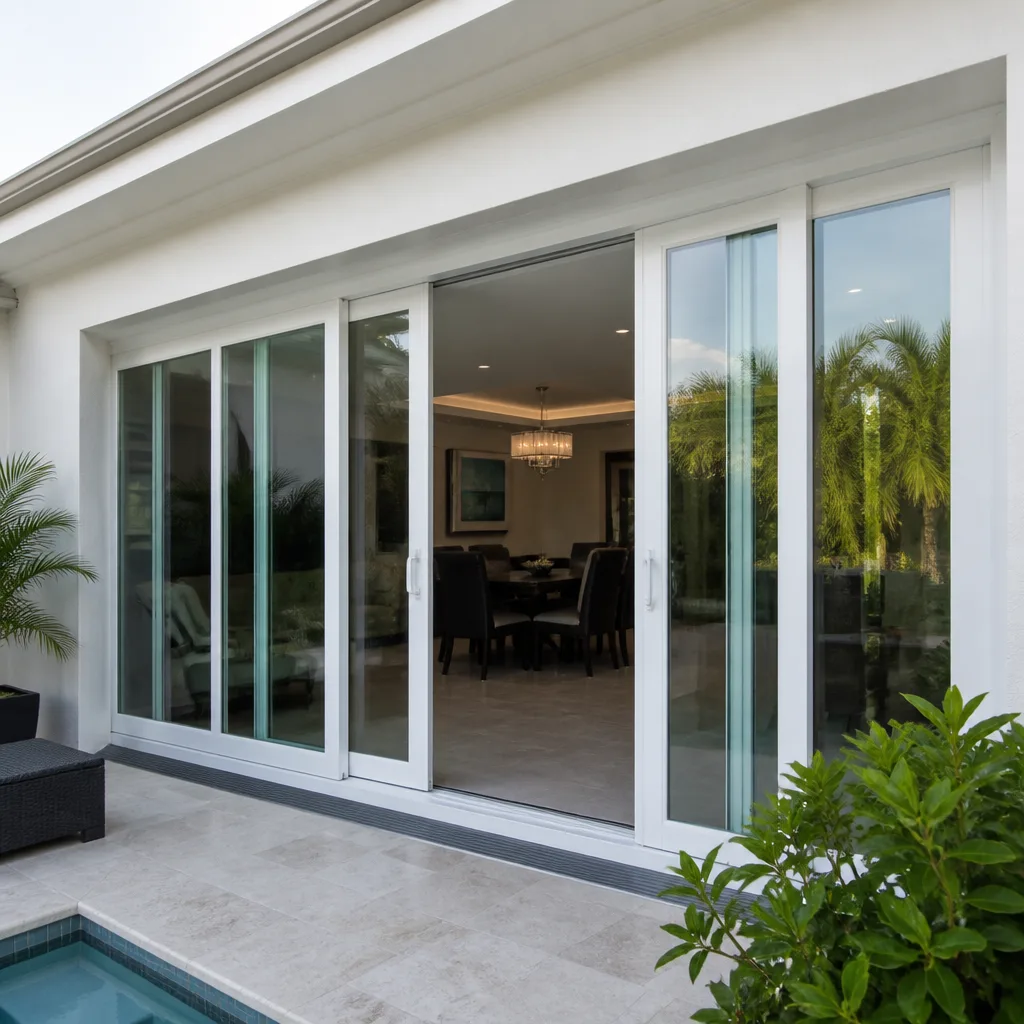
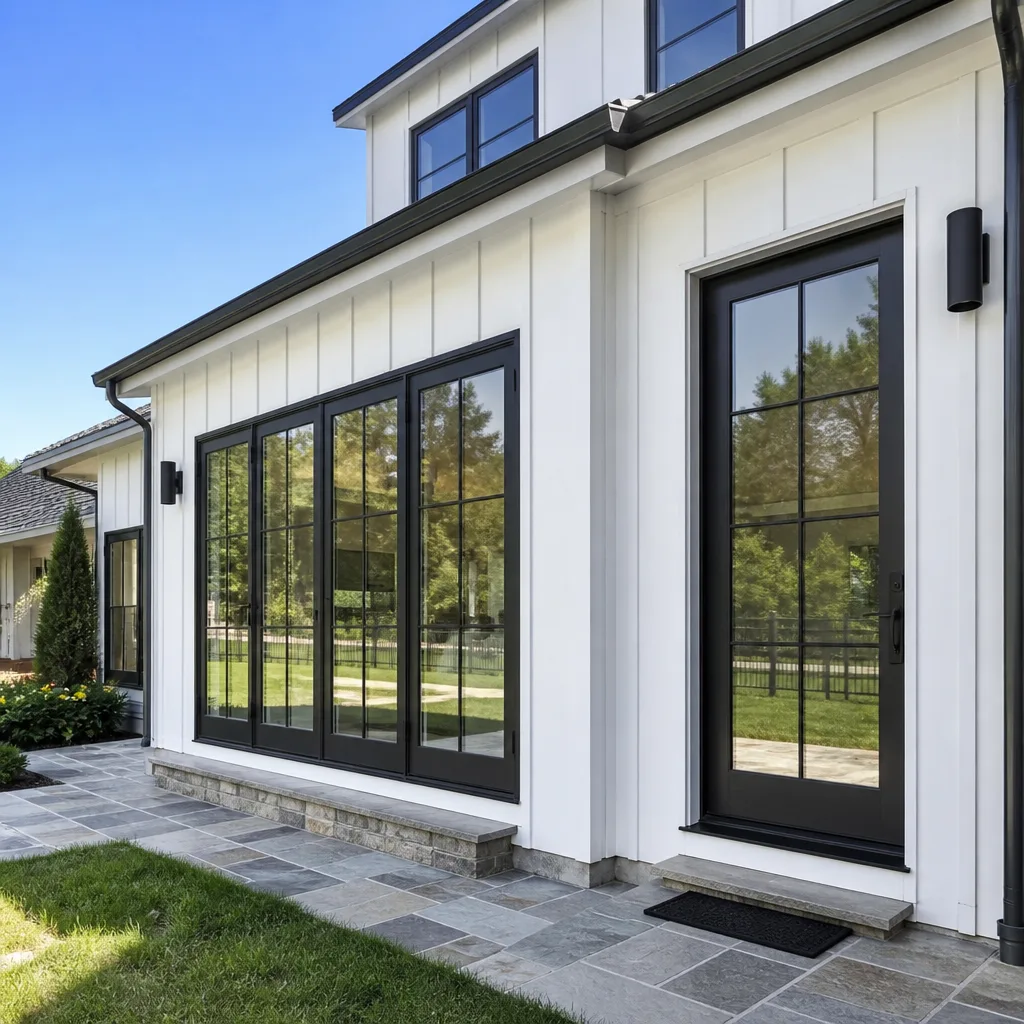
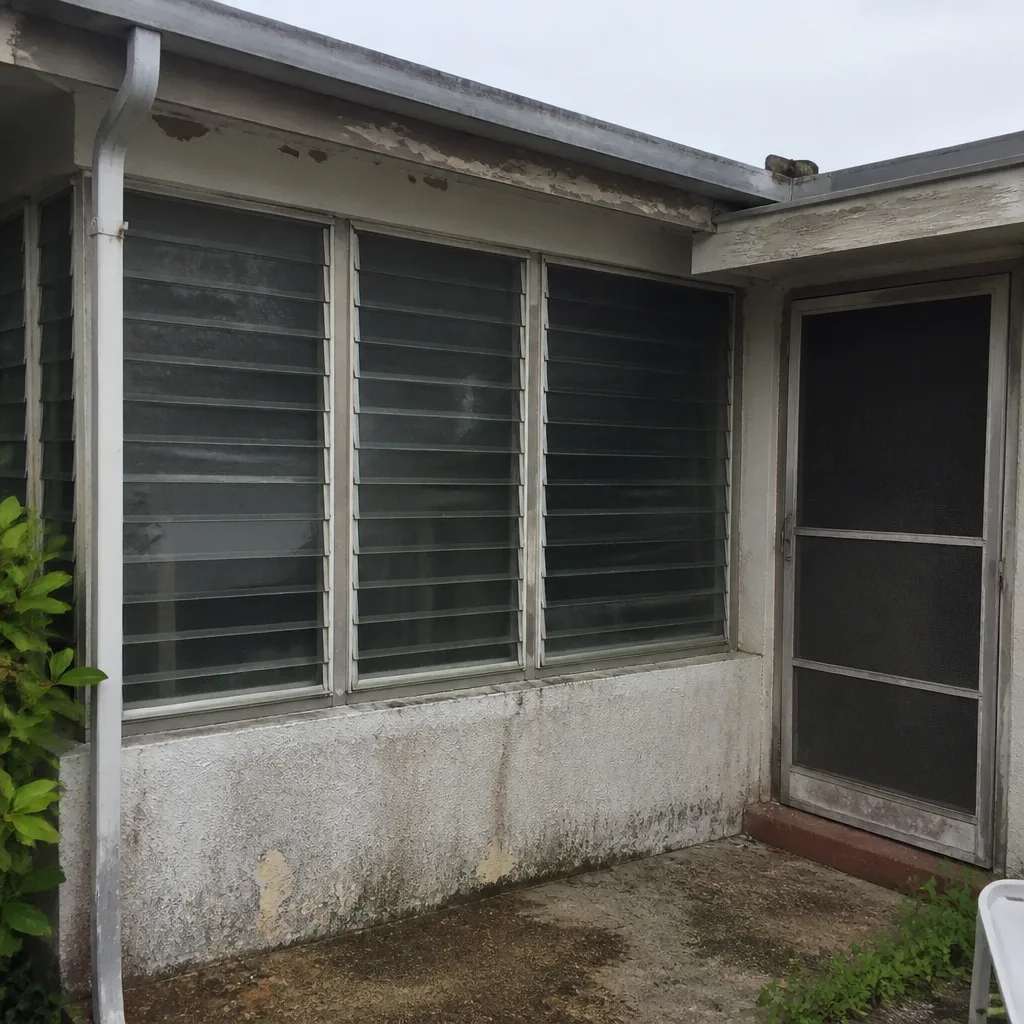 Before
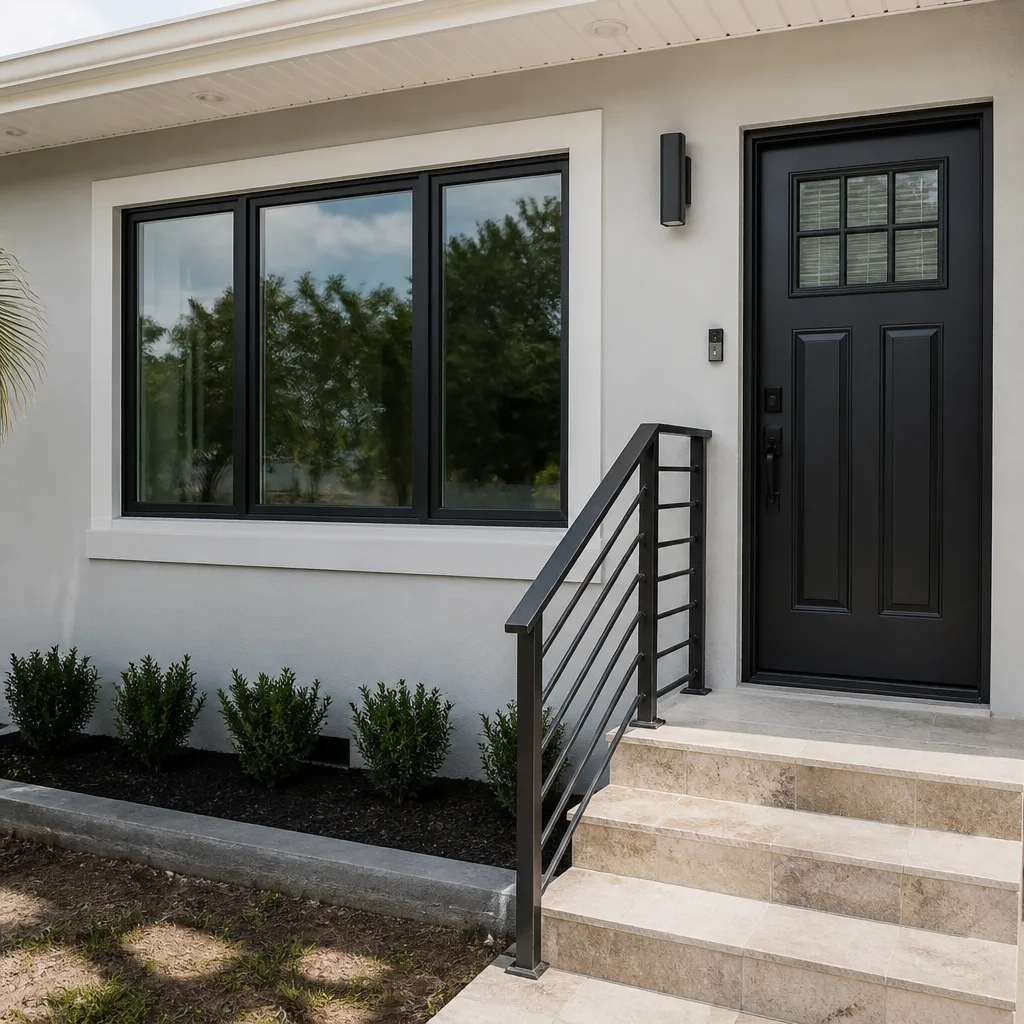 After
After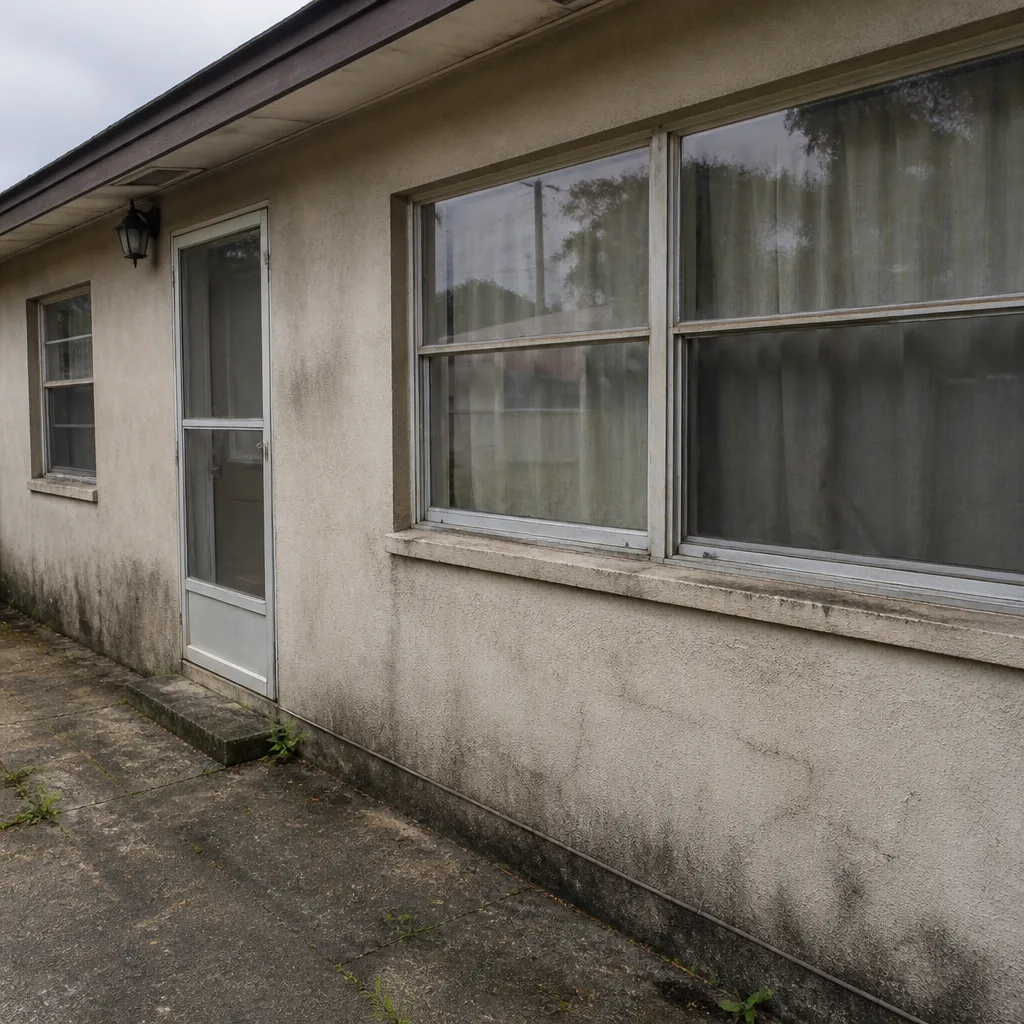 Before
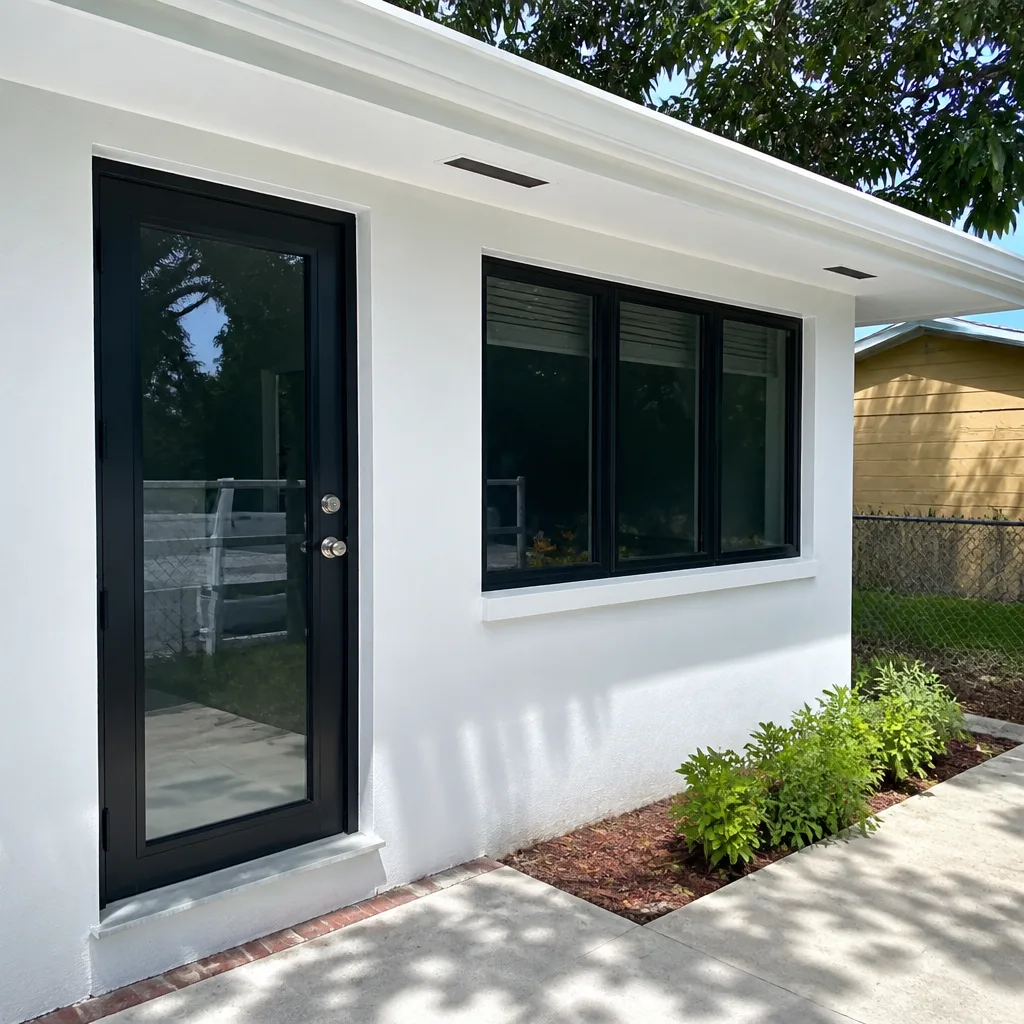 After
After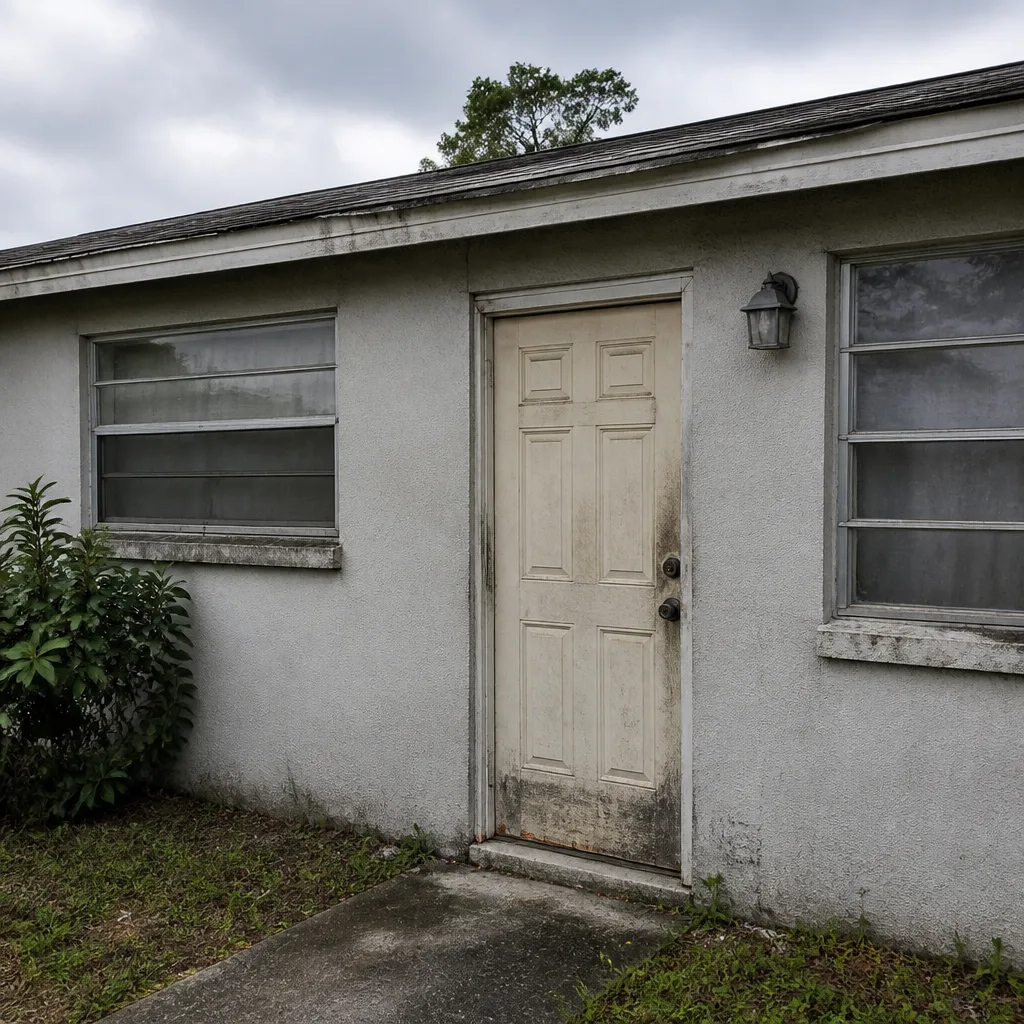 Before
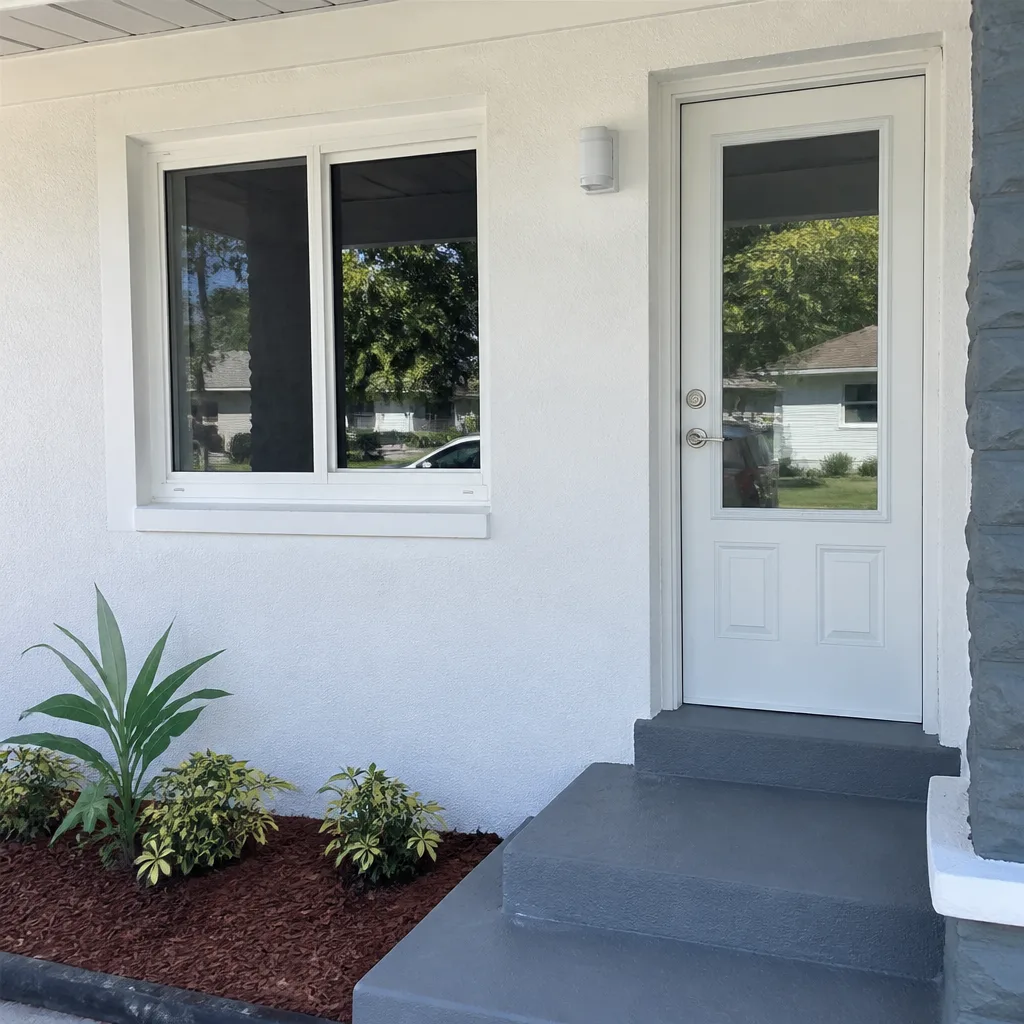 After
AfterHow to Hire a Windows & Doors Contractor in Gladeview: A Step-by-Step Guide
A statewide Florida contractor license is not enough to legally perform window and door work in Gladeview. Miami-Dade County requires a separate local certification for structural and wind-load-rated installations, and a staggering number of homeowners only discover this after an inspection fails or a sale falls through. In this guide, we’ll walk you through the exact verification steps, contract clauses, and screening questions that separate a legitimate local installer from a costly mistake. You’ll learn how to vet a contractor in under an hour, what a Miami-Dade product approval number actually proves, and why Gladeview’s post-storm contractor surge demands extra scrutiny.
Quick Answer
The safest way to hire a windows and doors contractor in Gladeview is to verify their Miami-Dade County local contractor certification on the DBPR portal, confirm they pull permits for every job, and ask for a Miami-Dade product approval number on your written quote before signing anything. We’ve served Gladeview since 2011 and can say from hard experience: contractors who resist local permit accountability are the ones who end up costing homeowners the most. Call (727) 604-9322 for a free estimate from a locally certified, owner-operated contractor.
Table of Contents
- Step 1: Verify the License (And Why “Licensed in Florida” Isn’t Enough)
- Step 2: Confirm Miami-Dade Local Certification Specifically
- Step 3: Ask the Questions That Expose Franchise Crews vs. Owner-Operated Contractors
- Step 4: Read the Miami-Dade Product Approval Number on Your Quote
- Step 5: Demand These Three Contract Clauses Before You Sign
- Step 6: Screen for Post-Storm Solicitation Red Flags in Gladeview
- Step 7: Understand the Permit and Inspection Timeline
- Step 8: Put Warranty and Post-Install Accountability in Writing
Step 1: Verify the License (And Why “Licensed in Florida” Isn’t Enough)
Florida issues contractor licenses through the Department of Business and Professional Regulation, or DBPR. That statewide license means a contractor can legally operate in the state, but it does not automatically authorize structural window and door work in every county. Gladeview sits inside Miami-Dade County, which maintains its own contractor licensing overlay that has existed for decades and carries stricter requirements than the state standard, especially for anything involving wind-load-rated openings.
Here’s what to check on the DBPR portal:
- License number format. A certified general, building, or residential contractor in Florida carries a license beginning with “CGC,” “CBC,” “CRC,” or similar. Write the number down and verify it on myfloridalicense.com.
- License status. Look for “Active” or “Current, Active.” Anything else - “Inactive,” “Delinquent,” “Revoked,” or “Probation” - is an immediate disqualifier.
- Insurance coverage. The DBPR entry shows general liability and workers’ compensation coverage. If workers’ comp shows an exemption, ask whether they carry it through a policy or whether they use day labor. In Gladeview, an uninsured crew member injured on your property can become your liability.
- Complaint history. The DBPR records complaints and disciplinary actions. One stale complaint from a decade ago isn’t necessarily a dealbreaker. Three complaints in the last two years is a pattern.
We tell homeowners the same thing on every first call: don’t take the license number at face value from a business card or a website. Verify it yourself. It takes four minutes. Ed Winslow founded Winslow Windows & Doors home in 2011 with a published license number precisely so Gladeview homeowners never had to take anyone’s word for it.
Step 2: Confirm Miami-Dade Local Certification Specifically
This is the step almost every online guide skips, and it’s the one that has burned more Gladeview homeowners than any other single oversight. Miami-Dade County runs its own contractor certification through the county’s Construction Trades Qualifying Board. A contractor can hold a spotless statewide license and still be legally unable to pull a permit for window or door replacement in Miami-Dade without the county certification.
The county maintains a contractor search tool on the Miami-Dade County Building Department website. Here’s the sequence we use when helping homeowners vet a bid:
- Search by company legal name and by the individual’s name. Many contracting companies register under one entity name but operate under a DBA. Check both.
- Look for the certification class. For windows and doors, you want a certification that covers “Building Contractor,” “Residential Contractor,” or a specialty classification that includes structural exterior work.
- Confirm the certification is “Active” and “In Good Standing.” County-level discipline doesn’t always appear on the state DBPR listing. Check both.
- Match the qualifying agent. The licensed individual whose name appears on the certification must be the same person whose name is on your contract. This is the most common shell-company trick: a licensed qualifier rents their credential to a company that does the actual work.
Why does this matter so much in Gladeview specifically? Miami-Dade is in a high-velocity hurricane zone. The county requires product approvals and installation methods that meet stricter wind-load standards than most of Florida. A contractor who can’t pull a local permit is telling you, by definition, that the work won’t be inspected by the county. For Window Installation in Gladeview, that inspection is the single most important quality control checkpoint you have.
Step 3: Ask the Questions That Expose Franchise Crews vs. Owner-Operated Contractors
Franchise installers and national chains can install perfectly good windows. But the accountability structure is fundamentally different from an owner-operated contractor. When a franchise crew misses a deadline or botches a flashing detail, the person you call has a territory manager, a regional director, and a corporate legal department between you and a fix. When an owner-operated contractor makes a mistake, the person you call is the person whose name is on the building.
These five questions are the fastest way to expose the difference on a first call:
- “Who exactly will be installing my windows?” If the answer is “our crew,” ask for names. Subcontractor-loaded bids are the norm with franchises and marketing companies. Owner-operated companies send their own employees.
- “What’s the name of the person I’ll call if something goes wrong?” If that name isn’t the owner or a named project manager with direct authority, you’re hiring a call center.
- “How long has the owner personally worked in Miami-Dade?” You want the answer to be a number of years, not a corporate boilerplate response. Local longevity correlates with code knowledge and accountability.
- “Who shows up for the final walkthrough?” If the salesperson disappears after the check clears and someone else handles the walkthrough, know who that someone is before you sign.
- “If I call your office at 9 p.m., who answers?” Ed Winslow’s name is on the business, and a live person answers our phone 24/7. That’s not a slogan. It’s how a small local operation holds itself to a different standard.
In our experience with Window Replacement in Gladeview, the homeowner who asks these questions upfront rarely ends up in a dispute. The homeowner who doesn’t ask them is the one who calls us six months later with a half-installed opening and an unreachable contractor.
Step 4: Read the Miami-Dade Product Approval Number on Your Quote
Every window and door product sold for installation in Miami-Dade County must carry a Notice of Acceptance, or NOA, from the county. This is not a marketing claim. It’s a legal prerequisite for the permit to be issued. If your quote lists a brand and a model but no approval number, the contractor either doesn’t know the product well enough to be installing it or intends to install something that won’t pass inspection.
Here’s how to read the number on the quote:
- The format. Miami-Dade NOA numbers typically begin with a year followed by a sequential number and often a revision code, for example “NOA 24-0112.05.” The revision digit after the decimal matters: newer revisions reflect updated engineering data.
- The product category. The approval document will state whether the product is approved for impact or non-impact use. In Gladeview, homes built before the 2002 Florida Building Code may not have impact requirements everywhere, but if you’re spending money on new openings, impact-rated is almost always the right call.
- The design pressure rating. Look for the design pressure, or DP, value that matches your home’s wind zone. A window approved for DP 50 doesn’t belong on a waterfront-adjacent home that an engineer determined needs DP 70.
- Brand verification. We install PGT, CGI, Therma-Tru, among others. These brands are consistently present in the Miami-Dade approval database because they’ve done the engineering work. A quote that names a brand you’ve never heard of with no NOA number should raise immediate suspicion.
Every written estimate we provide in Gladeview includes the specific product approval numbers for the exact windows and doors being quoted. You shouldn’t have to ask for them. They should be there, line by line, on the first document you see.
Step 5: Demand These Three Contract Clauses Before You Sign
A written contract is only as useful as the clauses it contains. Most template contracts spend two pages on payment schedules and one paragraph on the things that actually protect you. These are the three clauses we consider non-negotiable, and we tell every homeowner to walk away from any contractor who won’t put them in writing:
- Permit responsibility. The contract must state that the contractor is responsible for obtaining all required permits, scheduling all inspections, and correcting any work that fails inspection at no additional cost. If the contractor wants you to pull the permit as the homeowner, that’s a red flag. It signals they either can’t pull permits or want to distance themselves from inspection liability.
- Inspection attendance. The contract should require the contractor or a named representative to be present for every county inspection. Inspectors in Miami-Dade can and do note defects that require explanation. A contractor who sends no one to the inspection is telling you they don’t expect to pass.
- Post-installation warranty response time. A lifetime warranty is worthless if it takes three months to get a service visit. Specify a response time in the contract: “Contractor shall respond to written warranty claims within five business days and schedule service within fourteen.” Ours is the Done Right Promise: if it’s not done right, we make it right, period. That’s a lasting standard no national chain can match, and it’s in writing on every job.
These three clauses don’t cost the contractor anything to include. A contractor who resists them is telling you how they expect the relationship to go after the money changes hands.
Step 6: Screen for Post-Storm Solicitation Red Flags in Gladeview
Every named storm brings a surge of out-of-town contractors into South Florida neighborhoods like Gladeview. They set up in hotel rooms, print local-looking marketing materials, and knock on doors with stories of “storm damage” and “insurance assistance.” Some do acceptable work. Many do not. A meaningful percentage take deposits and disappear.
The specific red flags we’ve seen in Gladeview after storms include:
- Door knockers with no local address. Ask for their physical business address. A P.O. box or an office address in another county is not a local contractor. We publish our address, and so should anyone asking for your money.
- “We’ll handle your insurance claim for you.” Only a licensed public adjuster or attorney can legally handle an insurance claim on your behalf in Florida. A contractor offering to do this is either ignorant of the law or violating it.
- Pressure to sign immediately. Scarcity sells after storms: “We can only hold this price for 24 hours.” A legitimate local contractor’s price doesn’t evaporate overnight. Our standing offers, from the free second opinion to the senior and veteran discount, don’t expire. They’re permanent commitments, not pressure tactics.
- No Miami-Dade certification. Out-of-county storm chasers almost never carry the county certification. Ask for the number and verify it on the county portal before you let anyone on your roof or in your walls.
- Large deposits demanded upfront. Florida law limits residential contractor deposits to 10 percent of the total contract price for most jobs. A demand for 50 percent is both illegal and a classic take-the-money-and-run signal.
After Hurricane Ian and Hurricane Milton, we saw an influx of these operators across South Florida. Some lasted a season. A few left behind half-finished jobs and unreturned deposits. The homeowners who got burned were almost always the ones who skipped the verification steps in this guide and our Impact Windows Maintenance Checklist for Gladeview Homeowners.
Step 7: Understand the Permit and Inspection Timeline
Window and door replacement in Gladeview follows a predictable permit sequence, and knowing it helps you stay in control of the project. The contractor pulls the permit from Miami-Dade County before work begins. The county reviews the product approvals and installation details for code compliance. Once the permit is issued, work proceeds, and the county schedules inspections at specific phases.
The typical sequence for a full replacement job:
- Permit application submitted. This includes the NOA numbers, engineering calculations, and installation details. Turnaround varies, but a week is normal for straightforward replacement work.
- First inspection: rough opening and anchoring. The county inspector checks that the new window or door is anchored per the approved installation method. Flashing, mullions, and fastening patterns are all on the checklist.
- Second inspection: final. The finished opening, water sealing, and proper operation are verified. For impact products, the inspector checks that the product label matches the approved product.
- Permit closed. The county records the completed inspection. This is the document your insurance company and any future buyer will want.
If a contractor tells you the permit isn’t necessary for a “simple replacement,” walk away. In Miami-Dade, window and door replacement is not a discretionary permit. It’s a mandatory one. The closed permit is your proof that the work was done legally, and it’s the document that protects you when you sell the home or file an insurance claim.
Step 8: Put Warranty and Post-Install Accountability in Writing
A warranty is only as good as the company standing behind it. National chains offer long-sounding warranties, but the fine print often excludes the exact things that go wrong: water intrusion, seal failure, installation defects. And when you call to make a claim, you get a ticket number and a promise to call you back next business day.
Here’s what genuinely matters when comparing warranties:
- Who stands behind the labor? The manufacturer covers the product; the contractor covers the installation. If a window fails because it was installed incorrectly, the manufacturer won’t help you. The contractor’s labor warranty is the only thing between you and a bill.
- Response time is more valuable than warranty duration. A 10-year warranty with a 14-day service response beats a lifetime warranty with a six-month service queue every time. Look for a contractor who puts response times in writing.
- Transferability. If you sell your Gladeview home, does the warranty follow the work? Many warranties terminate on sale. Ours documents transferability at signing.
- What voids the warranty? Some contracts void the labor warranty if anyone other than the installing contractor services the window. Know what you’re agreeing to.
We install impact windows and doors from brands like PGT, CGI, and Therma-Tru because these manufacturers have robust engineering support for Miami-Dade wind zones. But our Done Right Promise covers our installation labor for a century in practical terms: if we didn’t do it right, we come back and make it right. That’s the accountability that matters when a window leaks in year seven and you need someone on the phone who answers.
Common Mistakes to Avoid
- Hiring a contractor with a statewide license but no Miami-Dade certification. This is the single most expensive mistake in Gladeview. The work can’t pass a county inspection without a local permit, and unpermitted work becomes your legal problem at sale.
- Signing a contract without a Miami-Dade product approval number. No approval number means the product hasn’t been vetted for your wind zone. The inspection will fail, and you’ll pay to do it twice.
- Accepting a verbal estimate instead of a written line-item quote. Verbal estimates mutate. Written quotes with pricing per opening, per product, and per inspection phase leave no room for surprise change orders.
- Paying more than the 10 percent legal deposit upfront. Florida caps residential contractor deposits. A contractor who asks for more is either unaware of the law or counting on you being unaware of it.
- Treating window replacement as a commodity purchase. The product is one variable. Installation quality, flashing, anchoring, and inspection compliance matter more for long-term performance than brand name alone.
- Falling for post-storm door-knock solicitation without verification. The out-of-town crews that flood Gladeview after every hurricane season are a known risk. Verify local certification before you let anyone on your property.
When to Call a Professional
Window and door replacement in Miami-Dade is never a DIY project, but specific situations demand an immediate call to a licensed local contractor. Call as soon as you notice water staining around window frames or door thresholds after heavy rain, visible daylight through a closed window or door, condensation between glass panes that indicates seal failure, or any window that refuses to open or close smoothly. Impact glass that shows cracks propagating from the edge after a storm needs assessment right away, even if the pane hasn’t shattered. Winslow Windows & Doors offers free estimates in Gladeview, including free second opinions on any written estimate you’ve received, with no trip charge inside our home county. Call (727) 604-9322 and a live person answers, 24/7.
Frequently Asked Questions
A typical full-home window replacement in Gladeview runs from $12,000 to $35,000 depending on the number of openings, product class, and impact requirements; see our Windows & Doors Cost Breakdown: The Gladeview Homeowner’s Reference for 2026 for detailed pricing factors. Impact-rated windows from PGT or CGI typically run 20 to 30 percent higher than non-impact equivalents, but in Miami-Dade the storm protection and insurance premium reductions often offset that difference over the life of the product. For an exact quote, call (727) 604-9322 and we’ll put line-item pricing in writing before you decide anything.
Yes, you do. Window and door replacement is a permitted job in Miami-Dade County, period. The permit protects you by ensuring the work meets current wind-load codes and product approval standards. A contractor who installs without a permit is leaving you with unpermitted work that can complicate insurance claims and home sales. Call (727) 604-9322 to talk through the permit process from a contractor who handles it on every job.
Most single-family home replacements can be completed in one to three days of on-site work, with the full permit and inspection cycle taking an additional two to four weeks depending on county review timelines. The variables are product lead time, which can range from two to eight weeks for custom impact products, and inspection scheduling. A written timeline should be part of your proposal.
Impact windows provide permanent, passive protection: the laminated glass and reinforced frames resist wind-borne debris without requiring you to install anything before a storm. Shutters are active protection that require someone to close and secure them before impact. Both are legitimate Miami-Dade compliant strategies, but impact windows also improve energy efficiency, sound reduction, and security year-round. Call (727) 604-9322 for a free estimate on impact windows in Gladeview.
Many Florida insurance carriers offer premium credits for Miami-Dade approved impact-rated windows, but the specific discount depends on your policy and carrier. The insurance savings is real but shouldn’t be the primary driver of the decision; the protection and code compliance matter more. We can provide the documentation your insurer needs after installation.
Winslow Windows & Doors offers free second opinions on any written estimate. Bring us the document, and we’ll line-item it against our own pricing and product specs so you can see exactly what you’re paying for and whether the product approvals listed actually match your home’s requirements. Call (727) 604-9322 to schedule a review, and there’s no trip charge inside our home county.
The Bottom Line
Hiring a windows and doors contractor in Gladeview comes down to verification, documentation, and local accountability; for more guides & resources, visit our blog. Verify the Miami-Dade certification on the county portal. Demand product approval numbers on every written quote. Get permit responsibility, inspection attendance, and warranty response time in the contract. And hire someone whose name is on the door, not a ticket number in a call center queue. Winslow Windows & Doors has been serving Gladeview since 2011, owned by Ed Winslow, with a published address, a license number anyone can verify, and a live person answering every call, day or night. Impact-rated. Energy-certified. Done right the first time, or we come back. That’s the one down the road.
Written by Ed Winslow, Owner at Winslow Windows & Doors, serving Gladeview since 2011.
Six Reasons Homeowners Choose Winslow Windows & Doors
Impact systems engineered to design pressures up to +/-100, matched to your wind zone - your openings hold when the storm arrives.
Low-E insulated impact glass from our manufacturer lines commonly cuts monthly cooling bills 20-30%.
Laminated impact glass shuts out up to 40% of outside noise - traffic, neighbors, weather.
Monitoring services run $30-90 a month. Laminated impact glass resists forced entry around the clock, with no subscription.
Florida homeowners average around 25% savings on the windstorm portion of their policy after protecting every opening - some homes qualify for more.
A full impact package upgrades curb appeal, buyer confidence and appraised value in one project.