
Last updated August 27, 2026
Free in-home measure and quote - PGT, CGI and CWS impact lines compared on your actual openings, style by style
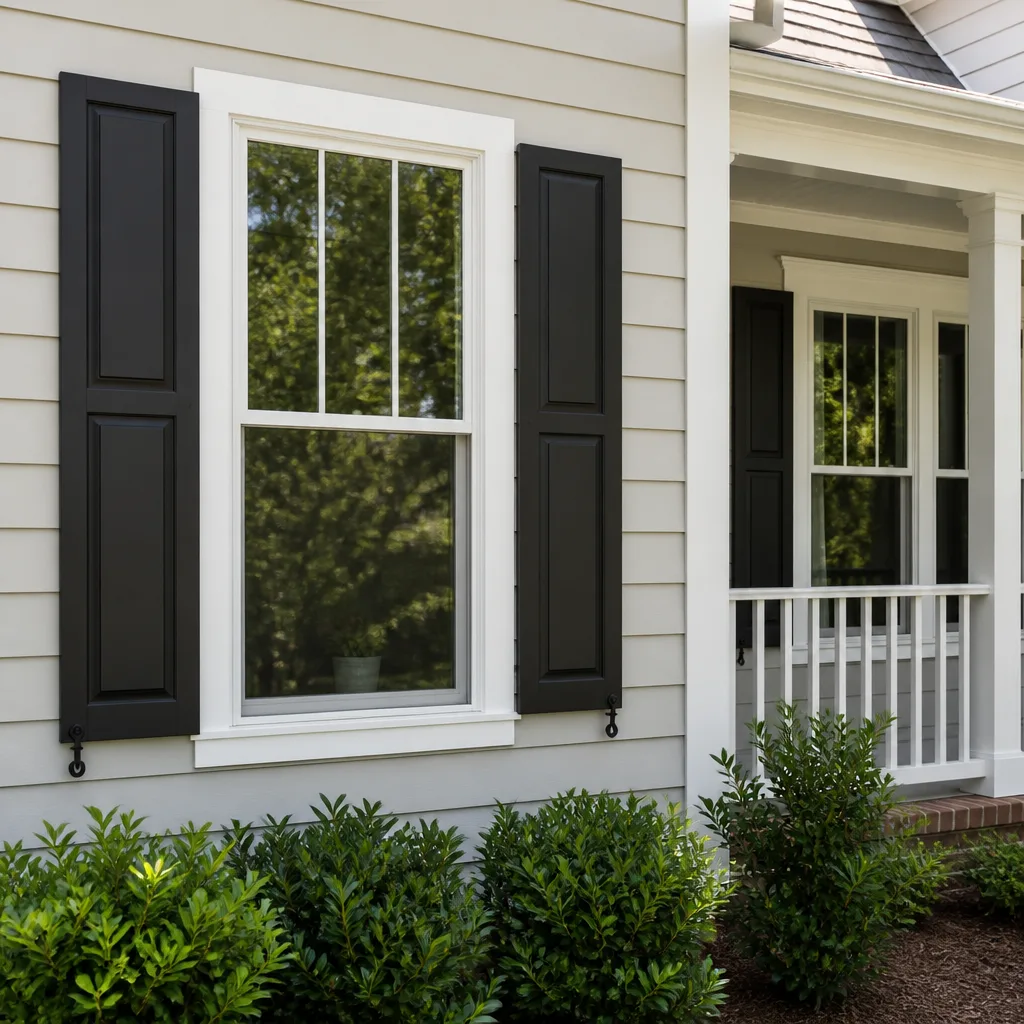
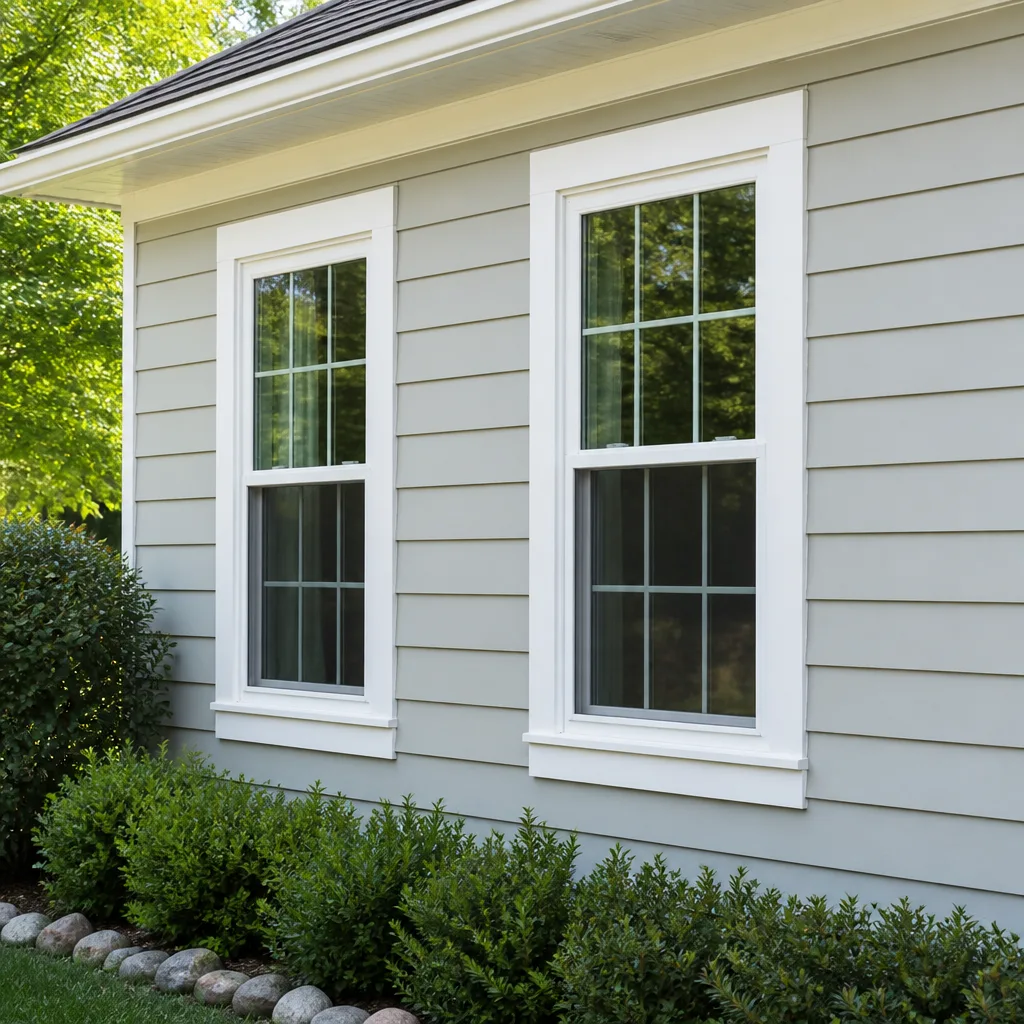
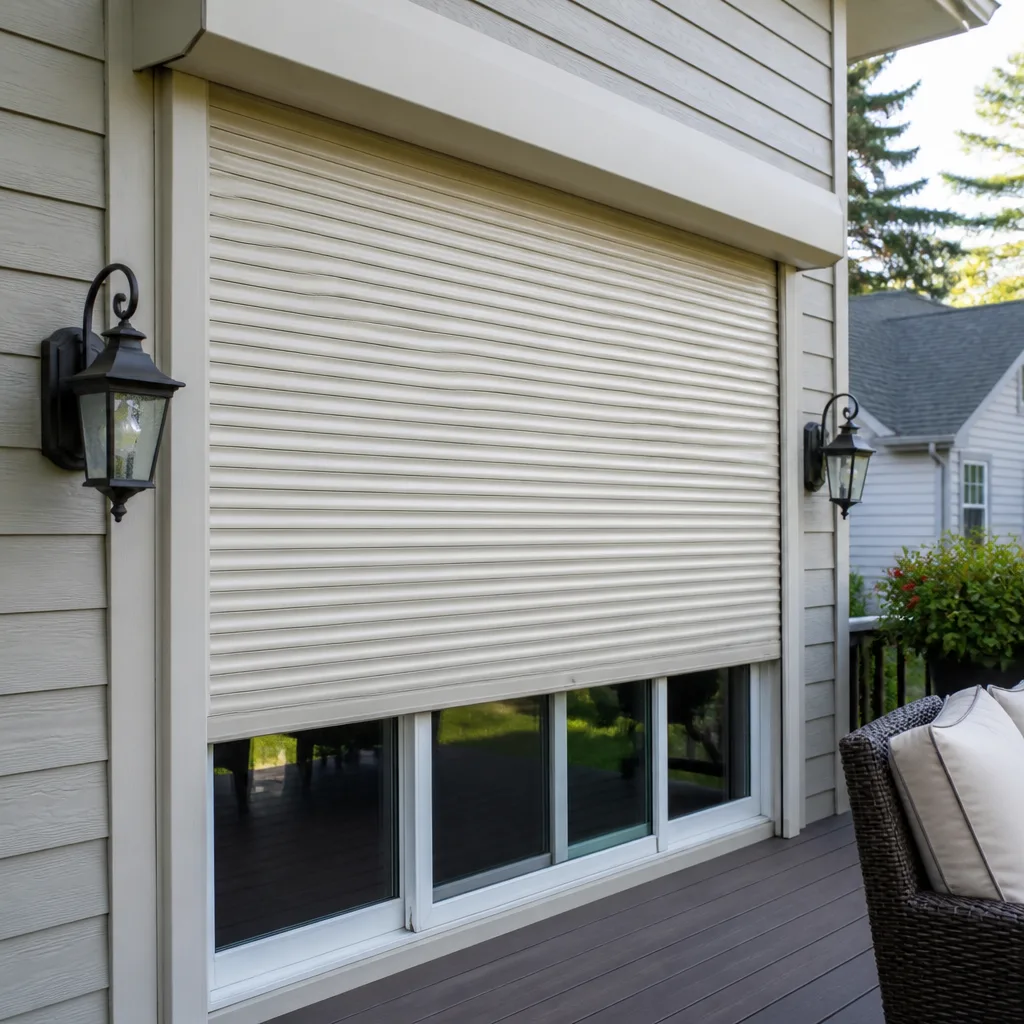
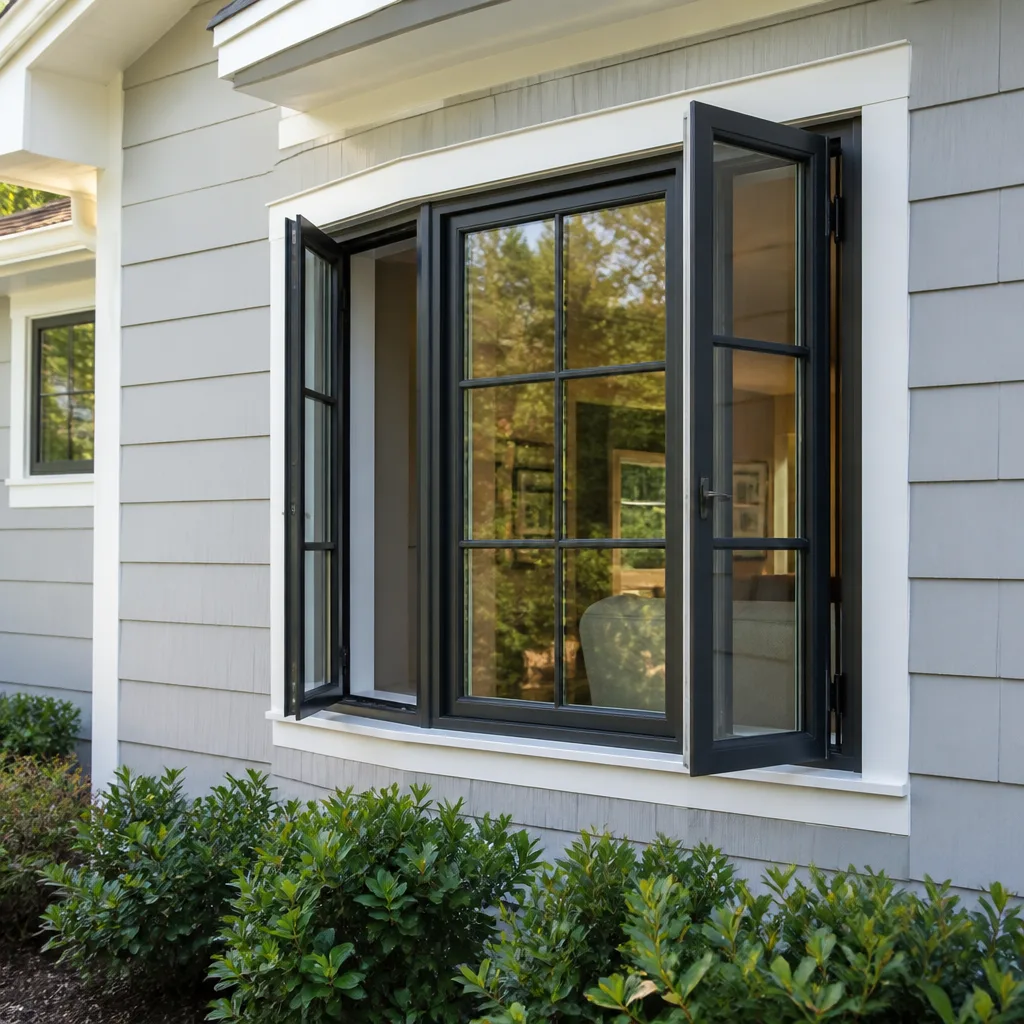
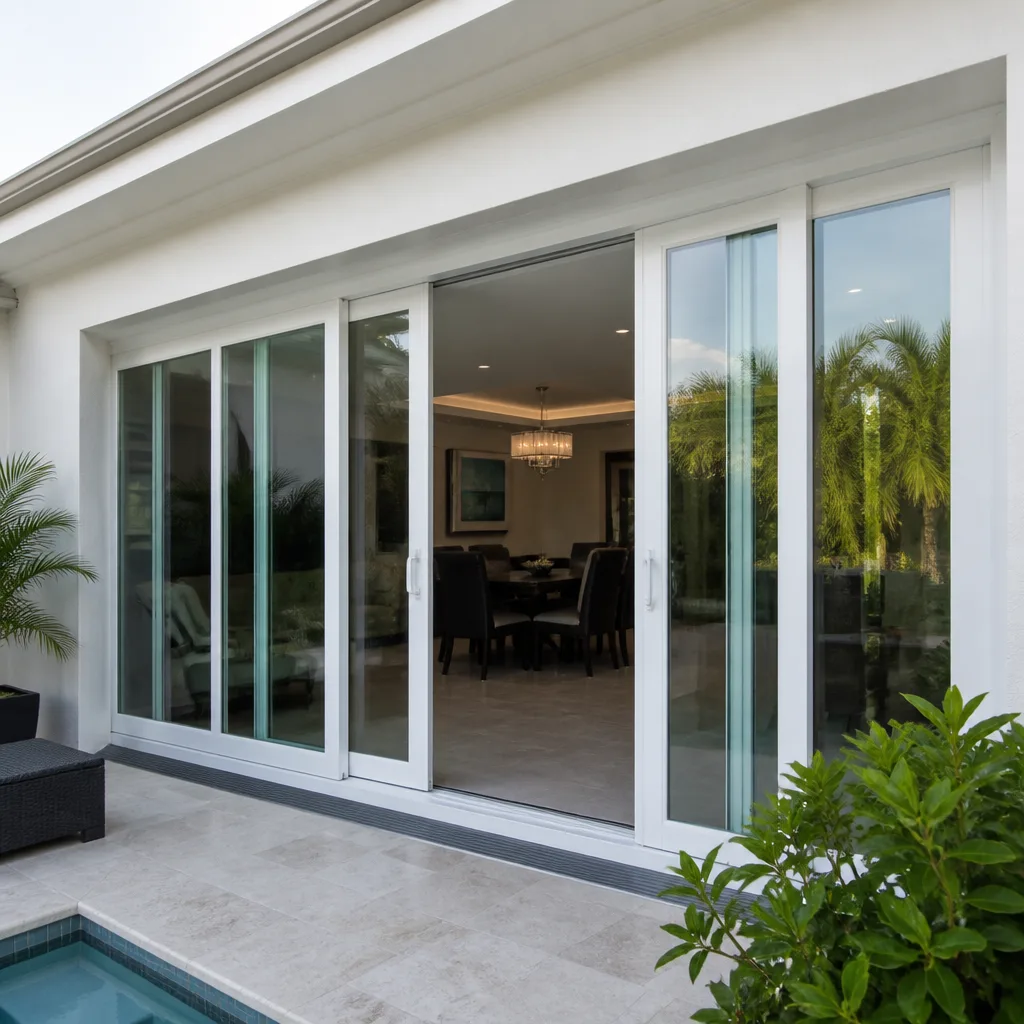
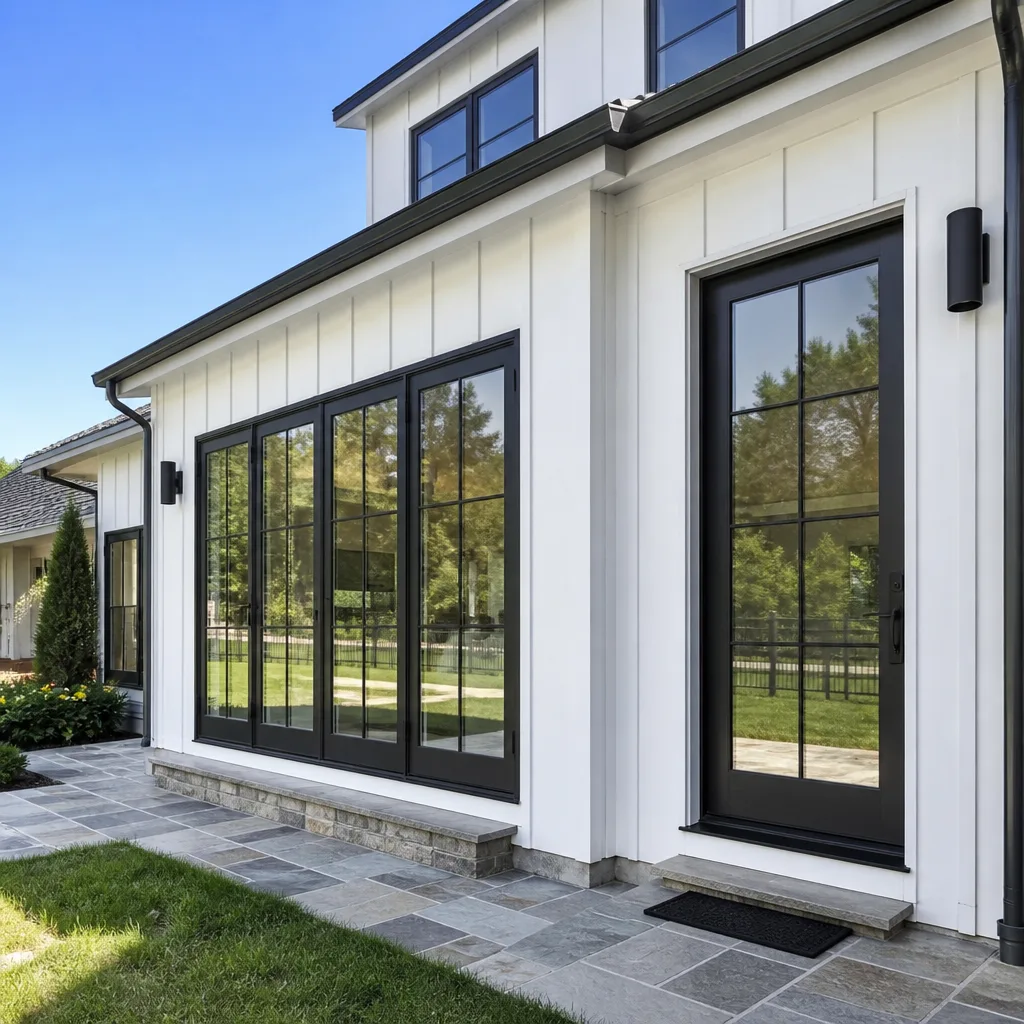
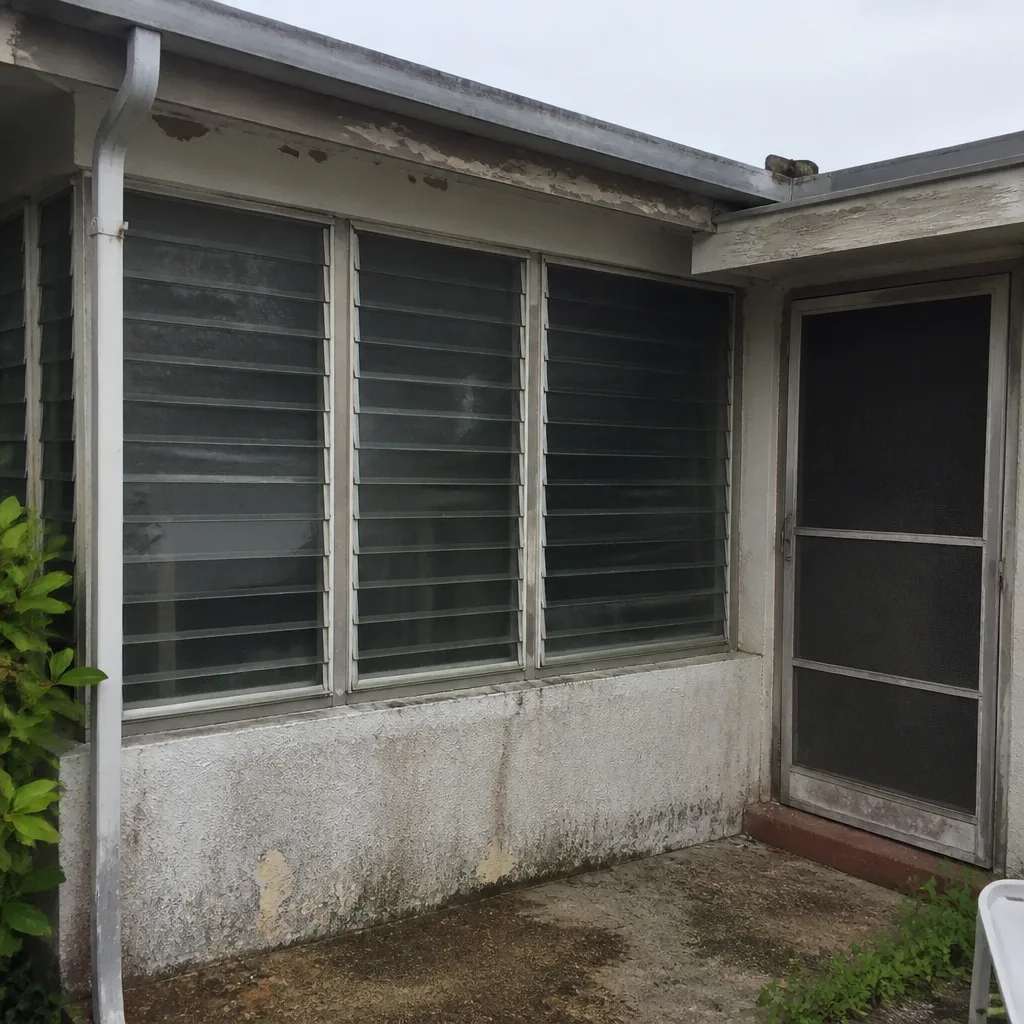 Before
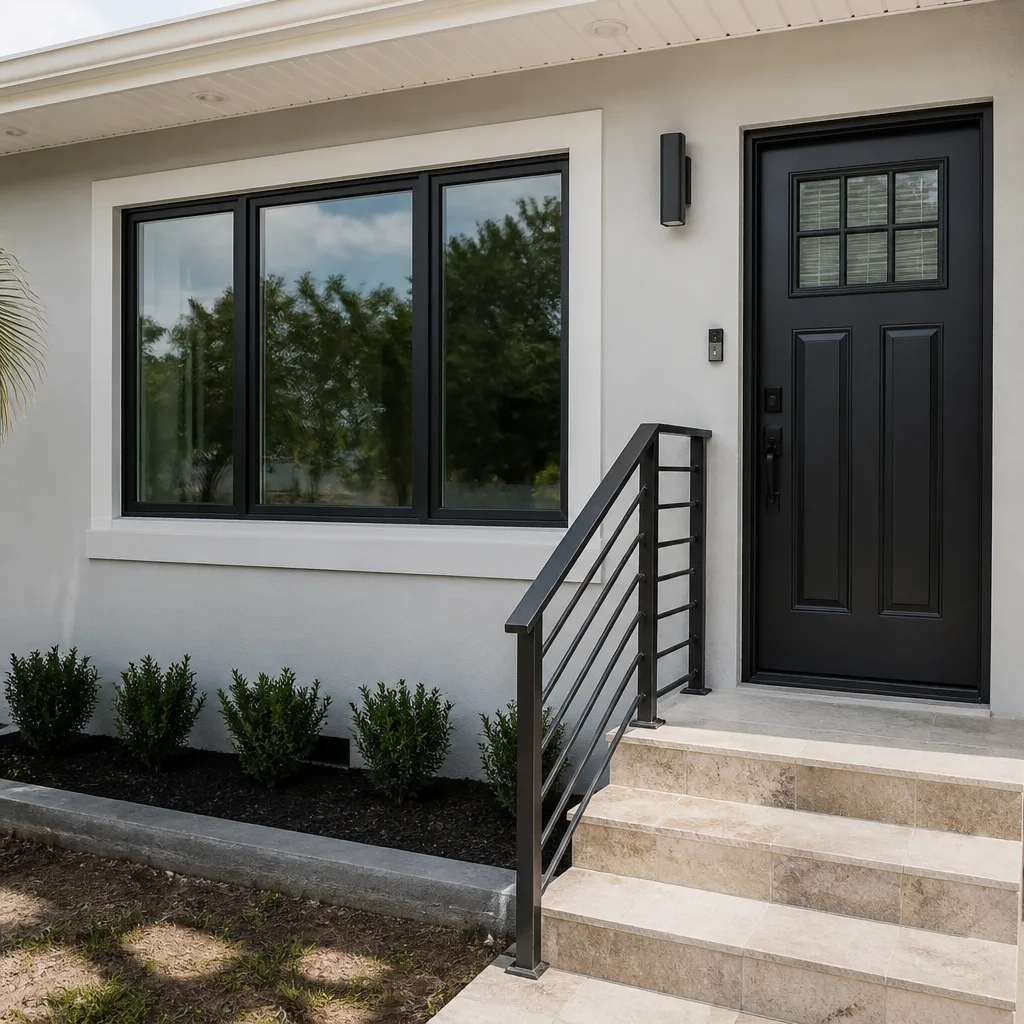 After
After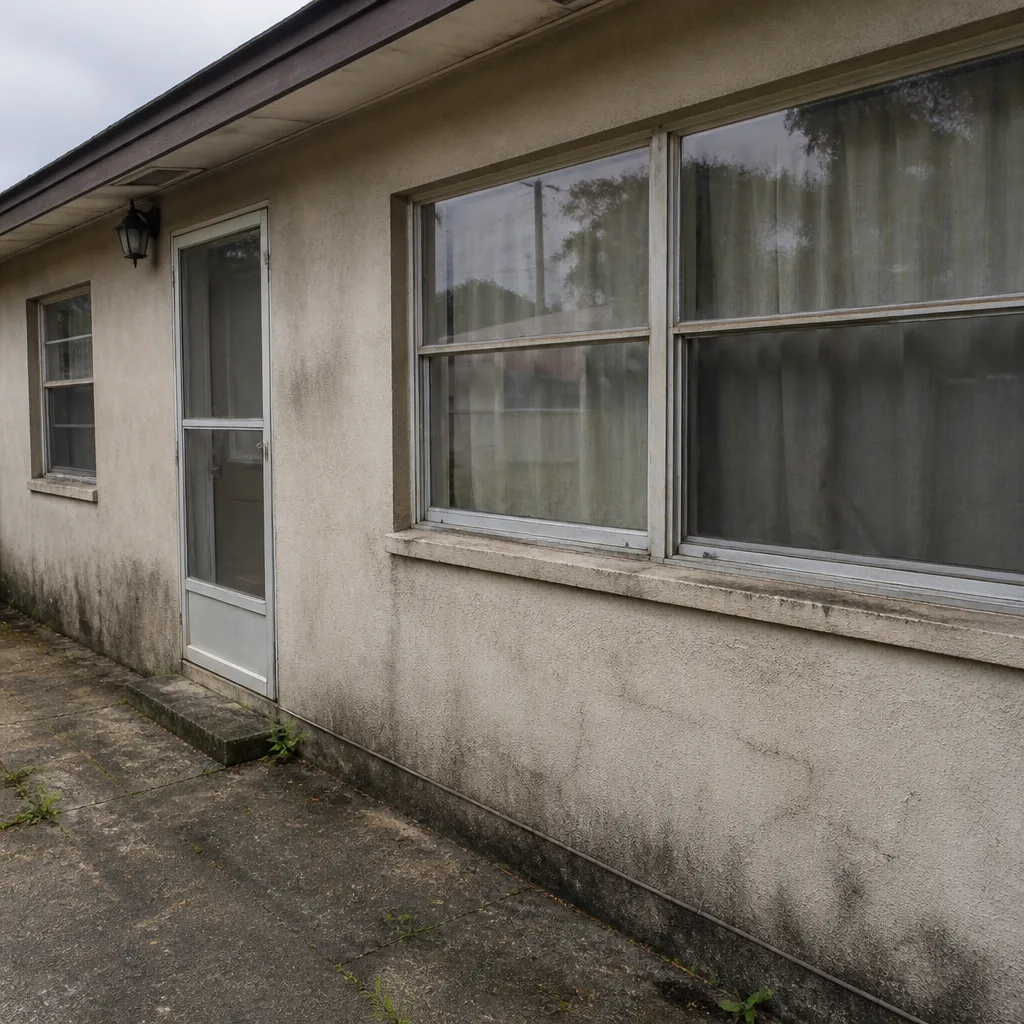 Before
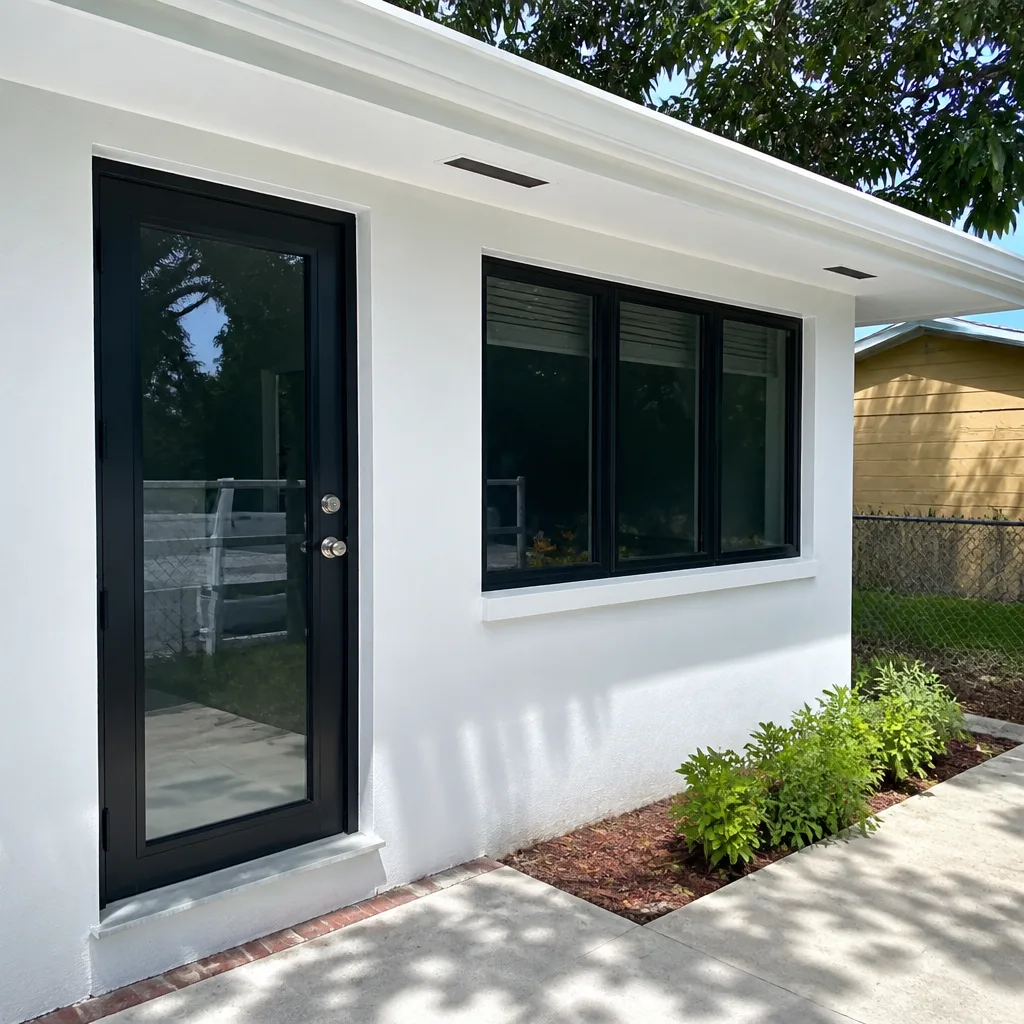 After
After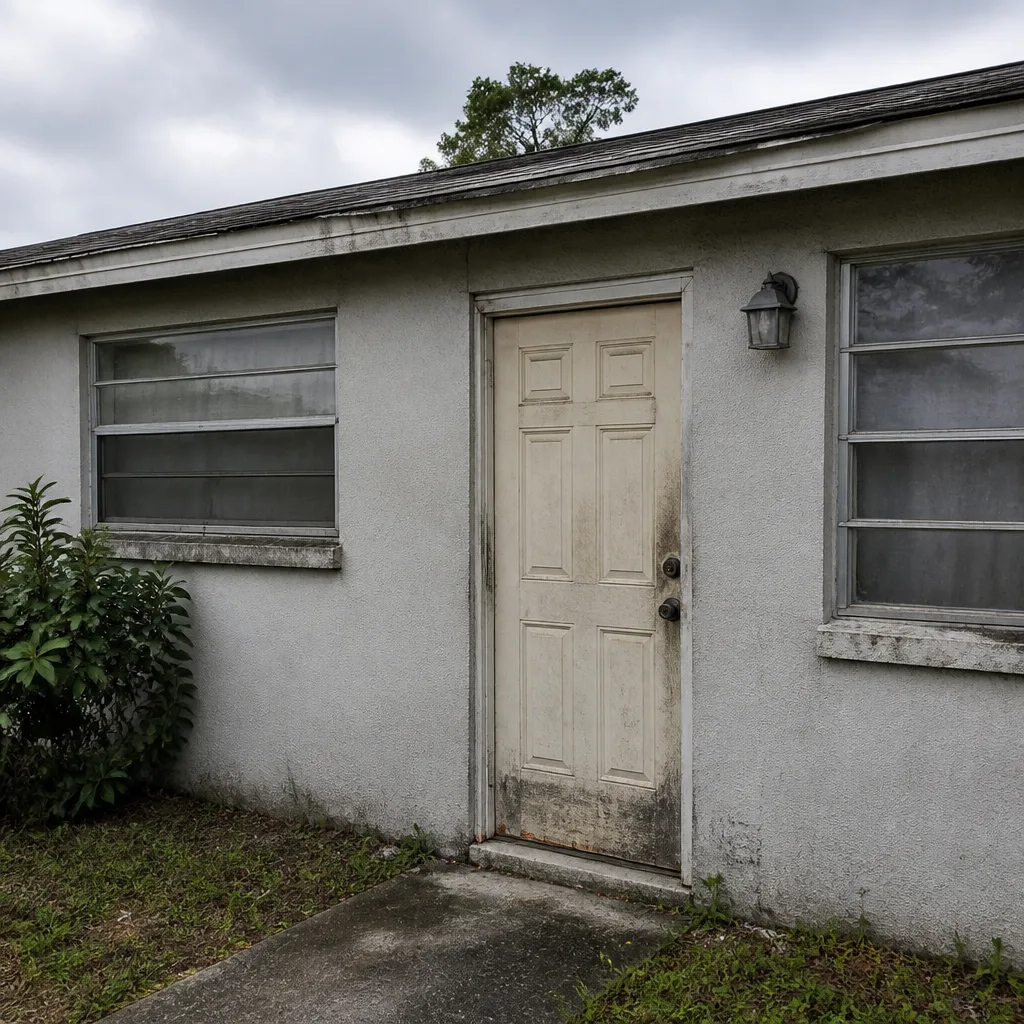 Before
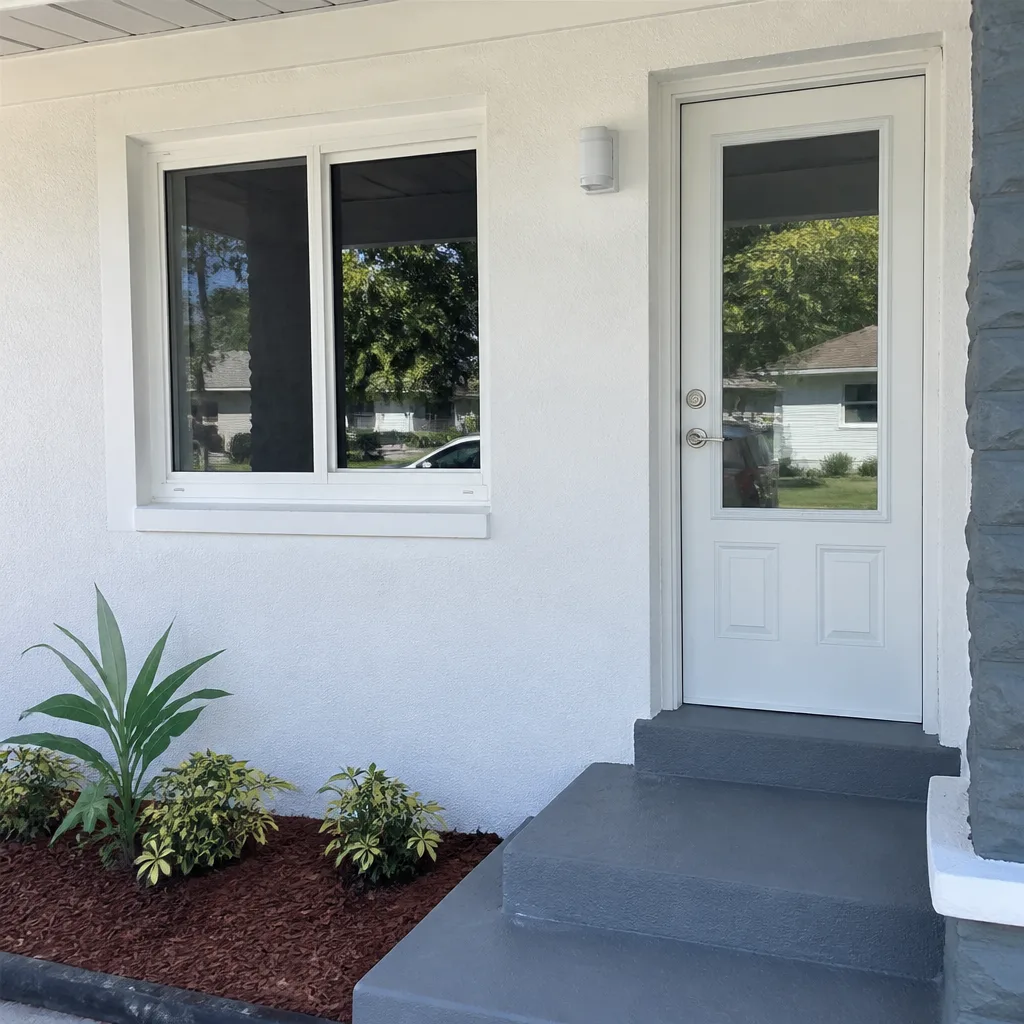 After
AfterImpact Windows Maintenance Checklist for Gladeview Homeowners
Here’s a statistic most Gladeview homeowners have never heard: a failed glazing seal on an impact window doesn’t just fog the glass. It can void your Miami-Dade NOA rating, which means your insurer can deny a storm claim even if the laminated glass held up perfectly. The window industry rarely talks about this because it’s easier to sell “maintenance-free” Impact Windows services than to explain what actually happens after five or ten years of salt air and South Florida sun. This guide walks through exactly what to inspect, when to do it, and which products to avoid, with a maintenance calendar tuned to Gladeview’s actual weather patterns, not a generic Florida template.
Quick Answer
Impact windows in Gladeview need a 15-minute visual inspection every month, hardware lubrication twice a year, full seal inspection before hurricane season (April-May) and after it ends (November), and professional service if you see fog between glass panes, stiff or grinding hardware, or any gap between the frame and the wall. We recommend keeping a written maintenance log, because insurance wind-mitigation re-inspections and storm claims often require proof of upkeep.
Table of Contents
- Why Gladeview Maintenance Is Different From Every Other Florida Guide
- The Monthly 10-Minute Inspection (Do This Every Month)
- The Month-by-Month Maintenance Calendar for Gladeview
- Hardware Lubrication: PGT, CGI, and ECO Frame Specifics
- Salt-Air Seal Degradation: Early Warning Signs and When to Call Us
- Cleaning Products That Chemically Attack Impact Glass and Frames
- Documenting Maintenance for Insurance and Wind-Mitigation Re-Inspection
- Common Mistakes to Avoid
- When to Call a Professional
- Frequently Asked Questions
- The Bottom Line
Why Gladeview Maintenance Is Different From Every Other Florida Guide
Most impact window maintenance articles are written with Tampa or Orlando in mind. Those cities get rain and some wind, but they don’t get what Gladeview gets. We’re close enough to Biscayne Bay and the Atlantic that salt-laden humidity sits on window frames year-round. It’s not the dramatic storm surge that causes most damage here. It’s the slow, constant exposure to airborne salt that eats through factory lubricant, accelerates aluminum pitting, and breaks down exterior sealant ahead of the manufacturer’s warranty schedule.
Gladeview also sits in a standing-water zone. During the wet season, from roughly mid-May through October, water pools around window sills on homes in lower-lying sections of the neighborhood. That pooled water wicks up into the frame track and sits there for days. Once water sits in a track, debris collects, drainage weeps clog, and you get exactly the kind of slow deterioration that a once-a-year inspection misses entirely.
The third factor is UV intensity. We’re at a lower latitude than Tampa and Orlando, which means our impact windows absorb more direct ultraviolet radiation per square foot per year. UV breaks down rubber gaskets, silicone sealant, and even some laminated glass interlayers faster here than the manufacturer lab tests predict. PGT and CGI both design their products for South Florida, but they still publish maintenance intervals based on average conditions. In Gladeview, we tell homeowners to inspect on a faster schedule and not wait for the “recommended” interval.
This guide is calibrated to those three realities: salt, standing water, and intense UV. We’ve been servicing impact windows in Gladeview since 2011, and the patterns we describe below are what we actually see on service calls. If you own impact windows here, this is the checklist we wish every homeowner followed.
The Monthly 10-Minute Inspection (Do This Every Month)
Impact windows don’t need a lot of time, but they do need consistent attention. A monthly walk-around catches problems early, when a $20 tube of sealant or a quick hardware adjustment fixes the issue. The same problem caught a year later becomes a $400 glass replacement or a voided warranty claim. Here’s the exact ten-minute routine we recommend for every impact window in your Gladeview home.
The inspection covers four areas: glass condition, frame condition, hardware function, and drainage. Do it on the first weekend of every month, and write down anything unusual in a notebook or phone memo. The log becomes your documentation if you ever file an insurance claim or go through a wind-mitigation re-inspection.
- Check the glass for fog, haze, or moisture between the panes. Stand at an angle to each window and look for any cloudiness that isn’t on the outside surface. Fog between panes means the seal has failed and the insulating gas has escaped. This is the single most expensive problem to ignore, because a failed seal voids the NOA rating for that window and can lead to a denied storm claim.
- Run your finger along the bottom frame track. If you feel grit, salt crystals, or debris, clean it out immediately. Grit accelerates roller and hardware wear, and salt crystals hold moisture against the frame. Use a dry brush or vacuum with a soft attachment. Don’t use water yet.
- Open and close each operable window fully. Listen for grinding, feel for resistance, and note any window that doesn’t close flush. A window that needs extra force to close or latch is telling you the hardware is binding. On impact windows, this matters more than on standard windows because the latching system is part of the storm protection.
- Examine the exterior sealant bead around the frame. Look for cracks, gaps, or sealant pulling away from the stucco or concrete. Hairline cracks are normal as a house settles, but a gap wider than a dime is a water intrusion point. Mark it and address it before the wet season.
- Check the weep holes at the bottom of the frame. These small slots let water drain out of the track. If they’re clogged with dirt, salt deposits, or insect nests, water sits in the track and accelerates corrosion. Clear them with a soft brush or compressed air. Never seal them, no matter how much rain or wind you get.
- Look at the screens, if you have them. Torn screens aren’t an impact-rating issue, but they signal that debris is hitting the window face. If screens are consistently torn on one side of the house, that’s the windward side and those windows need more frequent checks.
Most of these steps take under a minute per window. Ten minutes for the whole house. The point isn’t to do deep maintenance every month. The point is to catch the small things before they become expensive ones.
The Month-by-Month Maintenance Calendar for Gladeview
Gladeview’s weather follows a predictable rhythm, and your impact window maintenance should follow it too-our Seasonal Windows & Doors Care for Gladeview: Year-Round Homeowner’s Guide explains why timing matters. Here’s the calendar we use for our own customers, built around our actual wet and dry seasons. If you do these tasks in the right month, nothing sneaks up on you.
January – February: Dry-Season Deep Clean and Hardware Check
This is the coolest, driest stretch of the year in Gladeview, which makes it the best time for work that requires dry conditions. Clean every window thoroughly, check that all hardware moves freely, and look at the exterior sealant with fresh eyes after months of summer heat. Pay special attention to south-facing windows, which absorbed the most UV during the previous summer. If any sealant cracked during the wet season, this is the window to repair it before spring.
March – April: Pre-Season Hardware Lubrication
Before the summer storms start, lubricate all moving hardware on operable windows: hinges, rollers, locking mechanisms, and crank gears. Use a silicone-based lubricant only. Oil-based products attract dust and salt, which turns into grinding paste inside the hardware. This is also the time to replace any worn weatherstripping, because cracked weatherstripping lets wind-driven rain into the track during afternoon thunderstorms.
May: Pre-Season Flush and Full Seal Inspection
May is the month that matters most in Gladeview. Hurricane season starts June 1, and the daily afternoon storms begin in late May. Do a full flush of every window track with clean water, clear all weep holes, and inspect every seal, gasket, and sealant bead. If any window has a hairline crack in the glass, even one that doesn’t affect the impact rating yet, May is the time to replace it. Once a storm is in the forecast, glass replacement lead times stretch out.
June – October: Monthly Storm-Cycle Checks
During hurricane season, run the monthly ten-minute inspection twice: once at the beginning of the month and once immediately after any named storm passes within 100 miles of Gladeview. After a storm, check for water intrusion signs around frames, debris in tracks, and any glass damage from wind-blown projectiles. Even small cracks should be reported to your insurance company immediately, because the claim window starts from the storm date.
November: Post-Storm Full Assessment
After hurricane season ends, do a full top-to-bottom inspection of every impact window. This is the time to catch any damage that accumulated during the season: warped frames, loosened anchors, sealant failures caused by wind-driven rain, and hardware that took stress during openings and closings. November is also when to address any issues you noted during the storm season but put off because more storms were coming.
December: Documentation and Annual Log Review
The end of hurricane season is the natural time to review your maintenance log for the year. Write down every repair, replacement, and inspection you performed, with dates. If you had any professional service done, file the invoice with your insurance paperwork. This annual documentation habit is what separates homeowners who get smooth wind-mitigation re-inspections from those who scramble when their insurance carrier asks for proof of upkeep.
Hardware Lubrication: PGT, CGI, and ECO Frame Specifics
Not all impact window hardware is the same, and the lubrication points on a PGT frame are different from those on a CGI or ECO Window Systems frame. In our experience servicing all three brands in Gladeview, the homeowners who handle their own maintenance consistently miss the same three spots. Here’s what to know for each major brand line.
PGT WinGuard and Premier Frames
PGT frames use stainless steel rollers on the sliding panels and a multi-point locking system on casement windows. The rollers are enclosed in the bottom track, which means homeowners often forget they exist. You can’t lubricate them from outside, but you can clean the track thoroughly and apply a small amount of silicone lubricant to the track surface. More important is the locking mechanism: PGT multi-point locks have several latching points along the frame, and each one needs a drop of silicone spray once a year. The top latch is the one that usually gets skipped, and it’s the one that takes the most wind load during a storm.
CGI Sentinel and Estate Series
CGI frames are heavy-gauge aluminum with beefy hinges on casement and awning windows. The hinges are exposed on the interior side, which makes them easy to reach but also easy to over-lubricate. A light coat of silicone spray on the hinge pins twice a year is all they need. More CGI-specific: the weatherstripping on CGI frames sits in a channel that collects salt residue. Once a year, pull the weatherstripping out, rinse the channel with clean water, dry it, and re-seat the strip. This takes about five minutes per window and prevents the channel from corroding.
ECO Window Systems Frames
ECO frames are engineered with a slightly different drainage path than PGT or CGI. The weep holes are more numerous but narrower, which means they clog faster with salt deposits in Gladeview. Check them every other month during the wet season, and clear them with a thin wire or compressed air. The locking hardware on ECO frames is simpler than PGT’s multi-point system, but the strike plates can drift out of alignment if the house settles. If an ECO window is hard to latch, it’s usually not the hardware itself, it’s the strike plate alignment. That’s a five-minute fix with a screwdriver if you catch it early, but it becomes a bigger job if the frame has been forced open and shut for months.
The universal rule for all three brands: silicone lubricant only, never WD-40, never petroleum-based grease. WD-40 is a solvent, not a lubricant, and it will strip whatever factory lubricant remains. Petroleum grease attracts salt and dust and turns into a grinding compound inside the track. A $8 can of silicone spray from any hardware store is the right tool for every brand.
Salt-Air Seal Degradation: Early Warning Signs and When to Call Us
Salt air is the single biggest long-term threat to impact windows in Gladeview, and it works in ways most homeowners don’t expect. The salt doesn’t attack the glass. It attacks the seals, the gaskets, the sealant beads, and the aluminum frame itself. Here’s what to look for at each stage.
Early Stage: Cloudy White Residue on Frames
The first visible sign is a white, chalky residue on aluminum frames, especially on the lower third of the frame where salt spray and condensation concentrate. This is aluminum oxide forming, which is normal to a point. The problem develops when the oxidation works its way under the sealant bead at the frame-perimeter joint. Once salt gets under the sealant, it keeps working deeper, and the sealant eventually loses adhesion. If you can wipe white powder away and it comes right back within a week, the oxidation is active and the frame should be treated.
Middle Stage: Sealant Bead Lifting at the Corners
The next sign is exterior sealant pulling away from the stucco or concrete at the frame corners. Corners are the stress concentration points, and salt accelerates the failure there. If the sealant bead has lifted even a quarter-inch, water will enter during the next heavy rain. The fix at this stage is a clean removal and reapplication of exterior-grade sealant, a job that takes a professional less than an hour per window. Left alone, the water intrusion starts working on the frame anchors and the rough opening.
Advanced Stage: Pitting on the Frame Surface
Pitting looks like small, rough spots on the aluminum where the smooth finish has been eaten away. This is advanced oxidation, and it’s not cosmetic. Pitted aluminum loses structural strength at the pit locations, and the pits become catch points for more salt and water. Pitted frames on impact windows in Gladeview almost always coincide with a compromised seal behind the frame. We’ve replaced windows where the glass was still in perfect condition, but the frame had pitted so deeply that the anchors could no longer hold the panel under design wind load.
When DIY Cleaning Crosses Into Professional Re-glazing Territory
Homeowners can handle the early stage: wash frames with mild soap and water, dry thoroughly, and keep the bottom track free of salt deposits. The middle and advanced stages are professional territory. If sealant is lifting, if the frame is pitting, or if you see any sign of water staining on interior drywall around a window, the seal system has already failed. Continuing to clean the surface won’t address the problem behind the frame. This is the point where we recommend a professional assessment. A proper re-glazing or frame restoration stops the salt migration before it reaches the rough opening.
We’ve done this work in Gladeview for over a decade. The houses closest to the coast and the ones near major roadways, where road salt spray adds to the airborne load, show seal degradation two to three years earlier than houses further inland. The distance matters, and it’s worth knowing where your street falls.
Cleaning Products That Chemically Attack Impact Glass and Frames
Some standard household cleaners will damage impact windows in ways that are invisible until they’re expensive. The laminated glass in impact windows has a polyvinyl butyral (PVB) interlayer between the glass panes. That interlayer is the storm protection, and certain chemicals degrade it or attack the sealants that keep it sealed. Here’s what to keep away from your Gladeview windows.
- Ammonia-based glass cleaners (Windex, and most blue glass cleaners). Ammonia degrades the edge seal where the glass meets the frame. Over time, the seal fails and the window fogs. This is the number one avoidable cause of failed seals we see in Gladeview.
- Petroleum-based solvents or degreasers. These attack the PVB interlayer at the exposed edges of the glass. The damage isn’t visible for years, but the interlayer gradually becomes hazy at the edges, and the window’s optical quality degrades.
- Pressure washers aimed at window frames. A pressure washer forces water past the exterior sealant bead and into the rough opening. It also damages the gaskets. If you pressure wash your house, cover the window frames or keep the nozzle at least three feet away.
- Abrasive cleaners, including baking soda pastes and scouring powders. Impact glass has coatings and laminations that scratch more easily than standard annealed glass. Scratches on the glass surface don’t affect the impact rating, but they permanently damage the optical clarity and resale value.
- Acidic cleaners, including vinegar solutions and citrus-based degreasers. Acid etches aluminum frames and accelerates the oxidation process. In salt air, you’re compounding the problem. Stick with pH-neutral cleaners specifically made for aluminum frames.
The safest cleaning solution for impact windows is warm water with a few drops of mild dish soap. Use a soft microfiber cloth, and dry the glass and frame afterward with a separate clean cloth. That’s it. You don’t need specialized window cleaning products, and in Gladeview’s environment, simpler is genuinely better.
Documenting Maintenance for Insurance and Wind-Mitigation Re-Inspection
Florida insurance carriers have become much stricter about wind-mitigation documentation since the 2023 legislative reforms, and that trend continues into 2026. A wind-mitigation inspection looks at your roof-to-wall connections, your opening protection, and your window impact ratings. What most homeowners don’t realize is that the inspector can downgrade a window’s rating if they see evidence of poor maintenance: fogged glass, corroded frames, or sealant failures. Keeping a maintenance log is your defense.
Your log doesn’t need to be complicated. A simple notebook or a spreadsheet on your phone works fine. For each entry, record the date, the specific window or area, what you did, and what you observed. Save receipts for any lubricants, sealants, or replacement parts you buy. If you hire a professional for any work, keep the invoice and write the date of service into your log.
Here’s the specific information that insurers and wind-mitigation inspectors look for:
- Dates of all inspections and maintenance, going back as far as you have records. The pattern matters more than any single entry. Consistent monthly inspections demonstrate that the windows have been actively maintained.
- Specific notes about seal condition, hardware function, and glass clarity. A note that says “checked all windows, no issues” is less useful than “checked south bedroom window, small chip in bottom corner of glass, no impact on seal, will monitor.” Specificity builds credibility.
- Documentation of any glass replacement or seal repair. If you replace a glass panel, keep the work order showing the replacement glass meets the same impact rating as the original. An unrated replacement glass voids the window’s NOA rating.
- Photographs of the windows, taken from both inside and outside, at least once a year. Photos create a dated visual record that supports your written log. Store them in a cloud folder with the date in the file name.
At wind-mitigation re-inspection time, your insurance agent or inspector will ask for proof that the windows are still in the condition they were rated for. A maintenance log with a year or more of consistent entries is exactly the kind of evidence that keeps your credits intact and your premium stable.
If you’re not sure whether your impact windows still meet their original NOA rating, we provide free second opinions on written estimates from any company, and we can assess your windows during a standard service call. Ed Winslow personally walks Gladeview jobs, and if your windows are fine, we’ll tell you they’re fine. If they’re not, we’ll show you exactly what we’re seeing and what it means for your insurance standing.
Common Mistakes to Avoid
- Skipping the bottom track during cleaning. The track is where salt, grit, and debris collect, and it’s the part most homeowners forget. A dirty track accelerates roller wear and clogs weep holes, which leads to water sitting in the frame and corroding it from inside.
- Using WD-40 as a hardware lubricant. WD-40 is a penetrating solvent, not a lubricant. It strips whatever factory grease remains and leaves the hardware drier than before. Use a silicone-based spray lubricant instead.
- Ignoring fog between the glass panes. Fog means the seal has failed, which voids the window’s NOA rating. It’s not a cosmetic issue. Every month of delay makes the eventual repair more expensive and leaves your insurance position exposed.
- Pressure washing window frames during house cleaning. Pressure washers force water past the exterior sealant and damage gaskets. This one mistake causes more seal failures in Gladeview than any natural weather pattern.
- Applying fresh sealant over old, failed sealant. Sealant doesn’t adhere well to old sealant. The proper fix is removing the old bead, cleaning the joint, and applying a fresh bead. A professional can do this in under an hour per window, and the fix actually lasts.
- Waiting until a storm is forecast to order glass replacement. Impact glass lead times are typically two to four weeks, and they stretch longer during hurricane season. If a window needs glass replacement, order it in May or November, not when a named storm is three days out.
- Assuming a maintenance-free warranty means no maintenance is needed. Impact window warranties cover manufacturing defects, not damage from salt exposure, clogged drainage, or household cleaning chemicals. The warranty protects the manufacturer, not your maintenance habits.
When to Call a Professional
Some maintenance you can and should handle yourself. Other situations need professional attention, and delaying them makes the eventual repair more expensive. Call a professional if you see fog between glass panes, which means the seal has failed and the glass needs replacement. Call if you find gaps in the exterior sealant bead wider than a dime, especially around the frame corners. Call if a window has become difficult to open, close, or latch, because forced operation damages hardware and can compromise the storm rating. Call if you see water stains on interior drywall or flooring near a window, which means water is entering the opening. Call if you find pitting on aluminum frames, which signals advanced corrosion. And call if you’re preparing for a wind-mitigation re-inspection and want a professional assessment of whether your windows still meet their rated condition. Winslow Windows & Doors offers free estimates in Gladeview, call (727) 604-9322 to schedule one.
Frequently Asked Questions
Most impact window maintenance tasks cost under $50 per year in materials if you do them yourself: a can of silicone lubricant, pH-neutral cleaner, microfiber cloths, and a tube of exterior sealant for touch-ups. For a full breakdown of what different projects run, see our Windows & Doors Cost Breakdown: The Gladeview Homeowner’s Reference for 2026. Professional maintenance services in Gladeview typically start around $150-$250 for a full-home inspection and hardware lubrication, depending on the number of windows. Glass replacement for a failed seal typically costs $350-$900 per panel, depending on the window size and glass type. Call (727) 604-9322 for an exact quote, estimates are free.
Every month for a basic visual inspection, and twice a year for a deeper maintenance session that includes hardware lubrication, seal checks, and drainage clearing. The monthly inspection takes about ten minutes for the whole house and catches most problems early. The semi-annual session should happen in May, before hurricane season, and in November, after it ends.
No, fogged impact glass cannot be DIY-repaired. The fog means the insulating seal between the glass panes has failed and the panel needs replacement. There’s no practical way to reseal an insulated glass unit once the edge seal has failed. Continuing to use a fogged window doesn’t affect the structural glass, but it voids the NOA rating, which means the window no longer counts as impact protection for insurance purposes. Call (727) 604-9322 for a free estimate on glass replacement.
Yes. Homes closer to Biscayne Bay and the Atlantic see seal and frame degradation two to three years earlier than homes further inland. Salt accelerates aluminum oxidation, breaks down sealant adhesion, and contributes to weep hole clogging. The monthly inspection routine described in this guide is specifically designed for Gladeview’s salt-laden environment.
Close and latch every operable window fully. Confirm the weep holes are clear so wind-driven rain can drain. Move any loose yard items that could become projectiles. Take photos of every window from inside and outside, which creates a dated record for insurance purposes. Don’t apply tape to the glass, and don’t attempt any repairs once a storm is in the forecast, lead times for parts and glass stretch dramatically during storm events. For storm prep and year-round care tips, browse our more guides & resources.
Yes. Florida insurance carriers increasingly require proof of impact window upkeep at wind-mitigation re-inspection time. A maintenance log with monthly inspection notes, receipts for materials, and photos of the windows creates the evidence trail that keeps your wind credits intact. Without documentation, an inspector may downgrade your windows based on visible condition, even if the impact rating is technically still in place.
The Bottom Line
Impact windows in Gladeview are a long-term investment, and they perform at their best when they’re maintained on a schedule that matches our actual environment. The monthly ten-minute inspection catches problems before they become expensive. The May and November deep-maintenance sessions align with hurricane season and keep your warranty and insurance standing intact. Salt air and intense UV are relentless here, but consistent attention, the right products, and a written log are all you need to keep your windows protecting your home for decades. If you ever find something you’re not sure about, we’re down the road, call (727) 604-9322 and a real person will answer, any hour, any day.
Written by Ed Winslow, Owner at Winslow Windows & Doors, serving Gladeview since 2011.
Six Reasons Homeowners Choose Winslow Windows & Doors
Impact systems engineered to design pressures up to +/-100, matched to your wind zone - your openings hold when the storm arrives.
Low-E insulated impact glass from our manufacturer lines commonly cuts monthly cooling bills 20-30%.
Laminated impact glass shuts out up to 40% of outside noise - traffic, neighbors, weather.
Monitoring services run $30-90 a month. Laminated impact glass resists forced entry around the clock, with no subscription.
Florida homeowners average around 25% savings on the windstorm portion of their policy after protecting every opening - some homes qualify for more.
A full impact package upgrades curb appeal, buyer confidence and appraised value in one project.