
Last updated August 27, 2026
Free in-home measure and quote - PGT, CGI and CWS impact lines compared on your actual openings, style by style
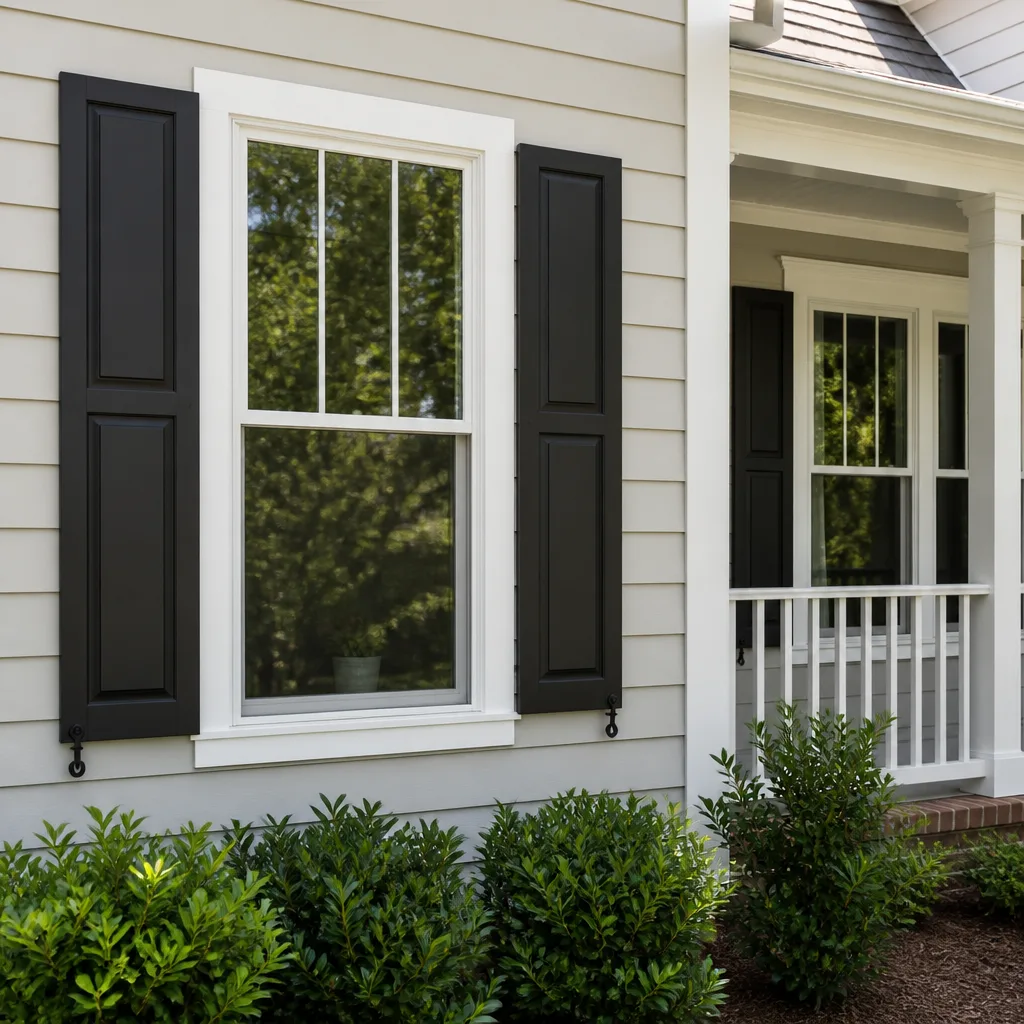
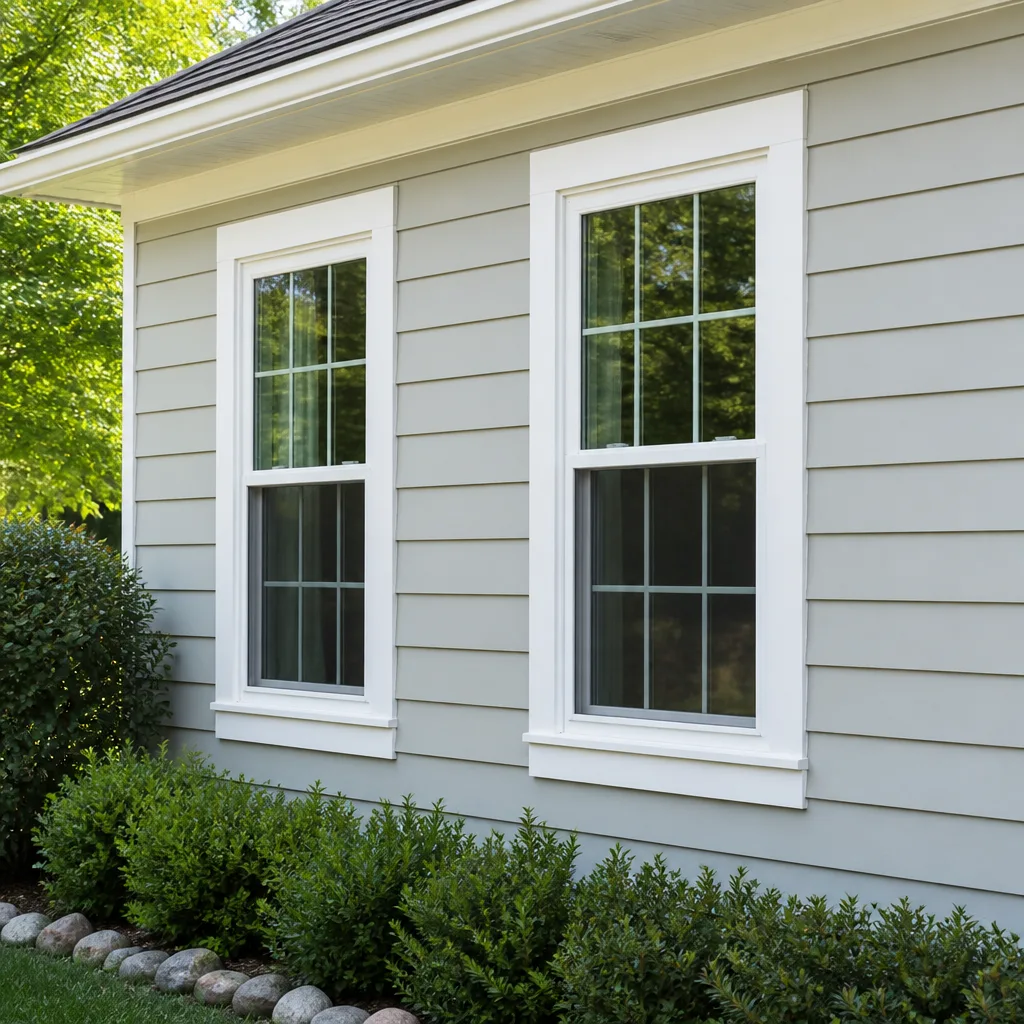
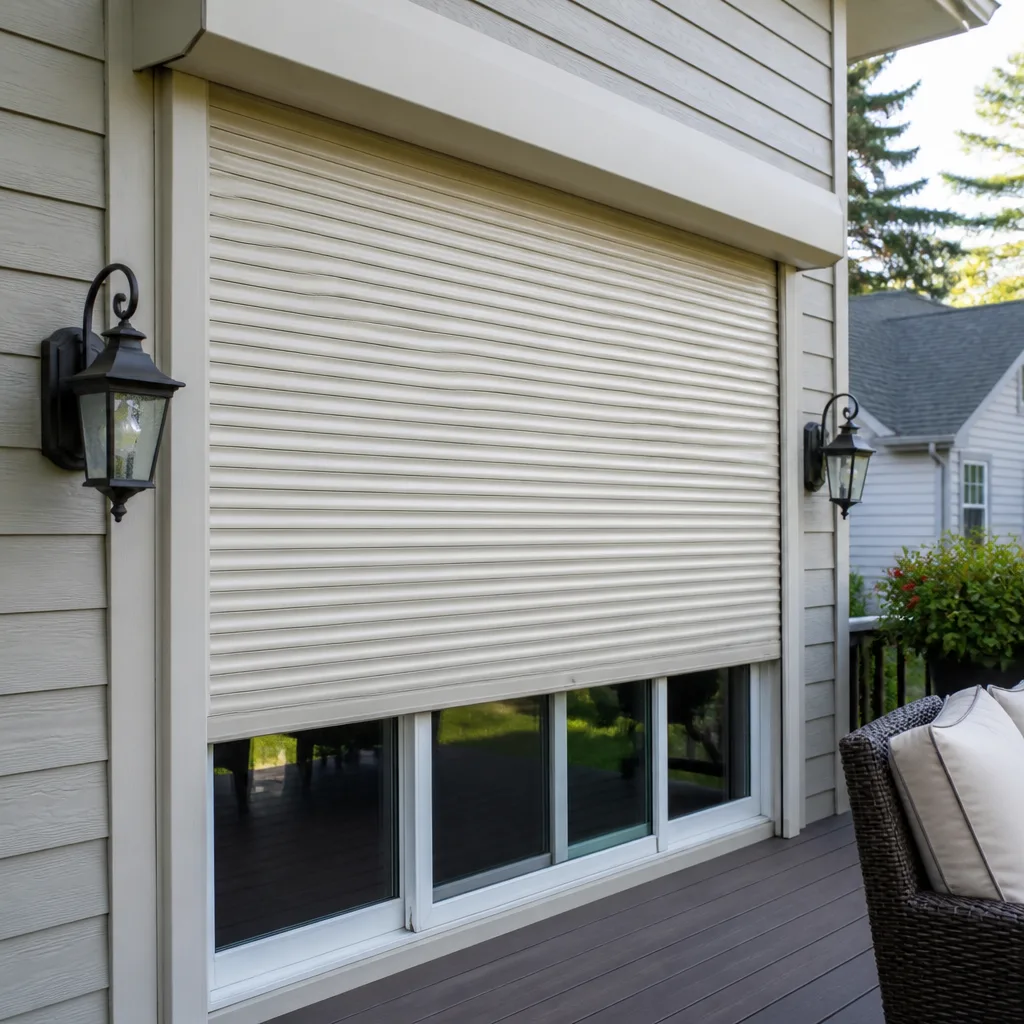
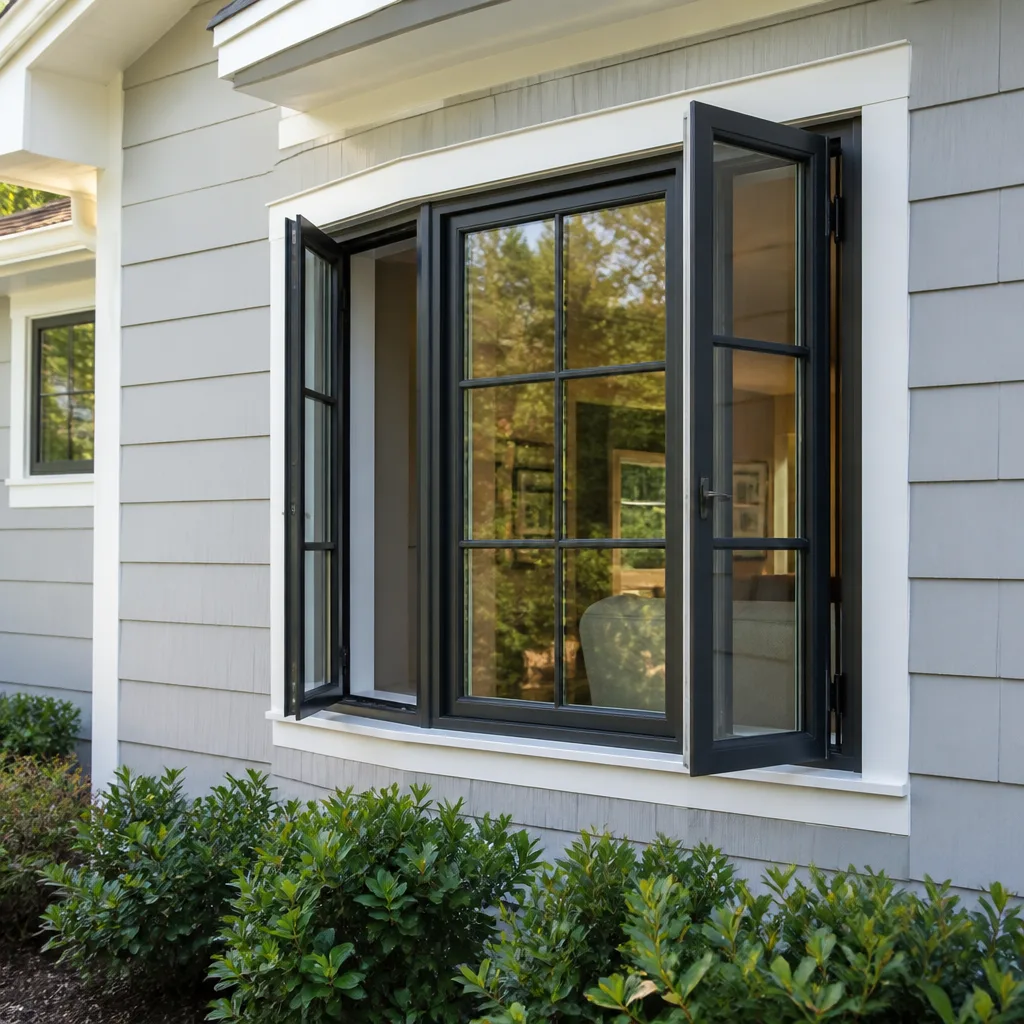
 Before
 After
After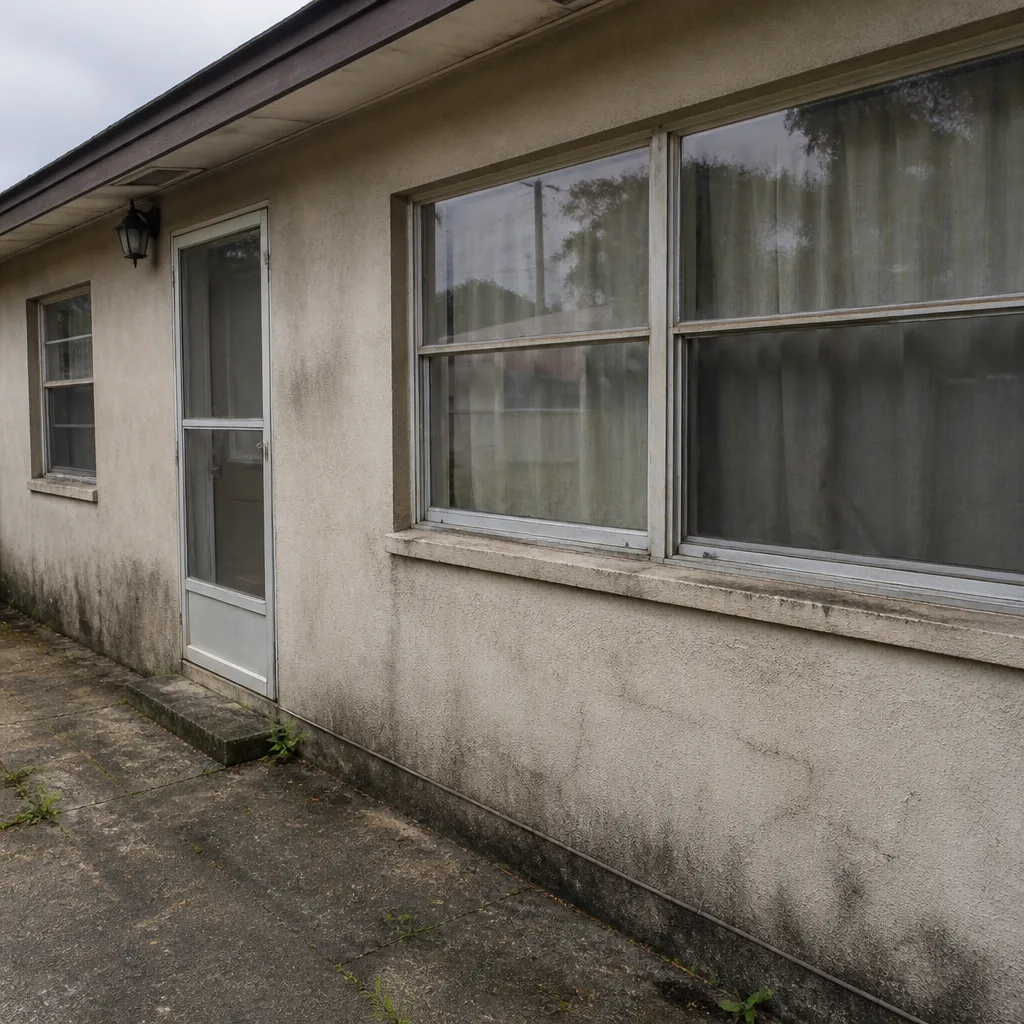 Before
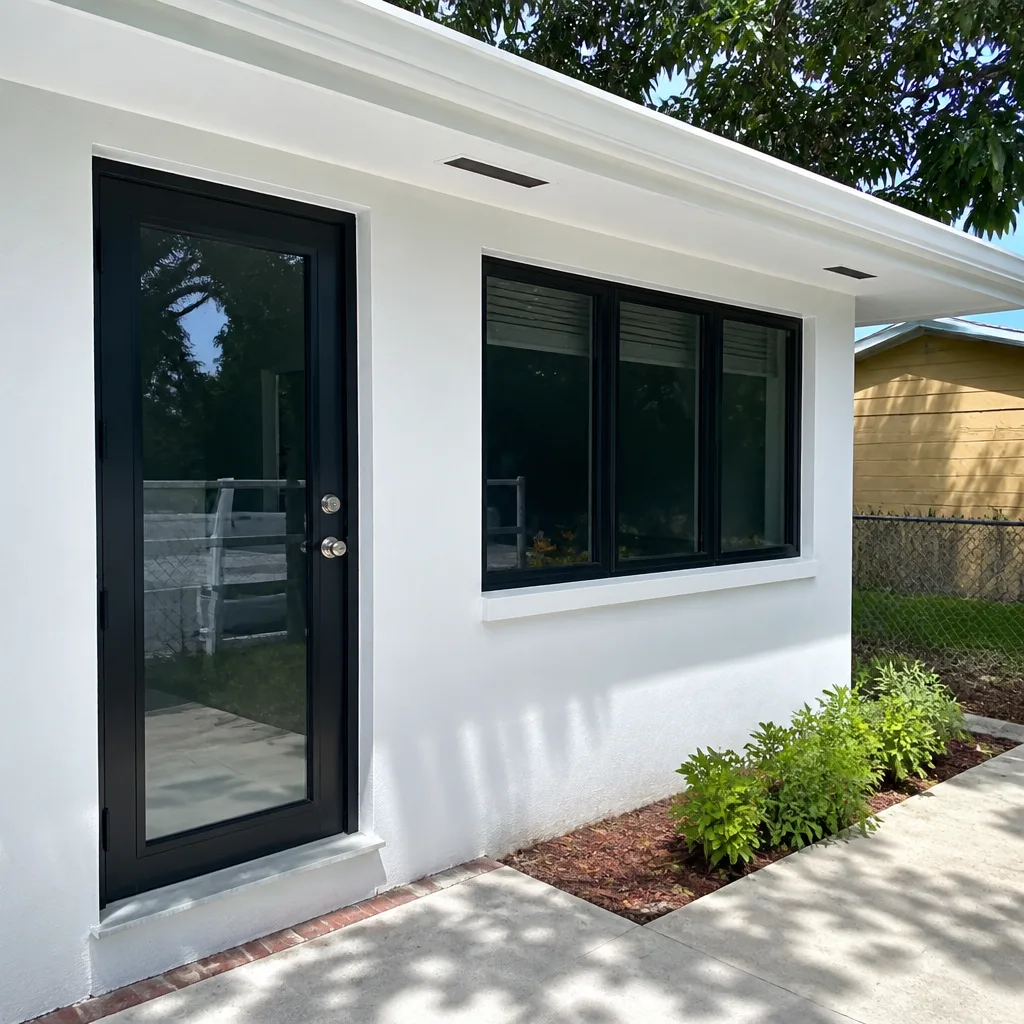 After
After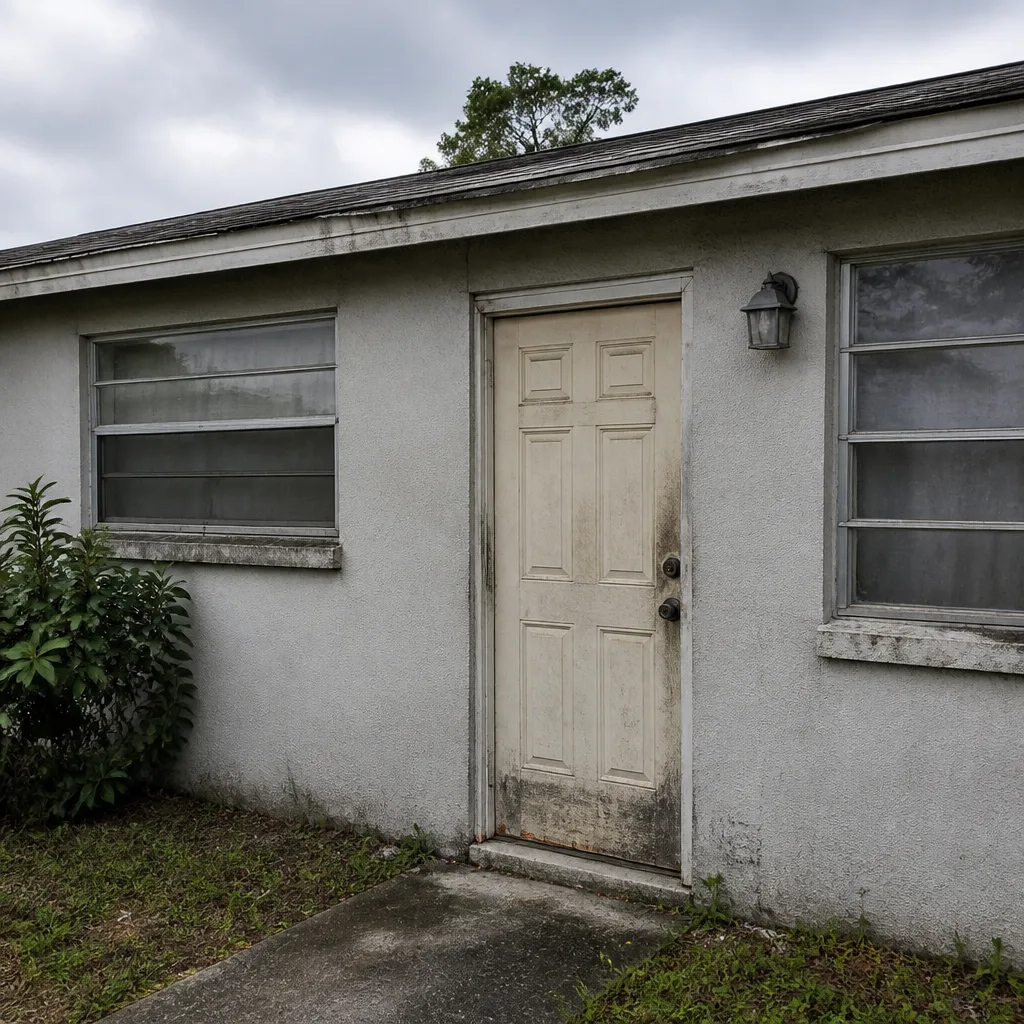 Before
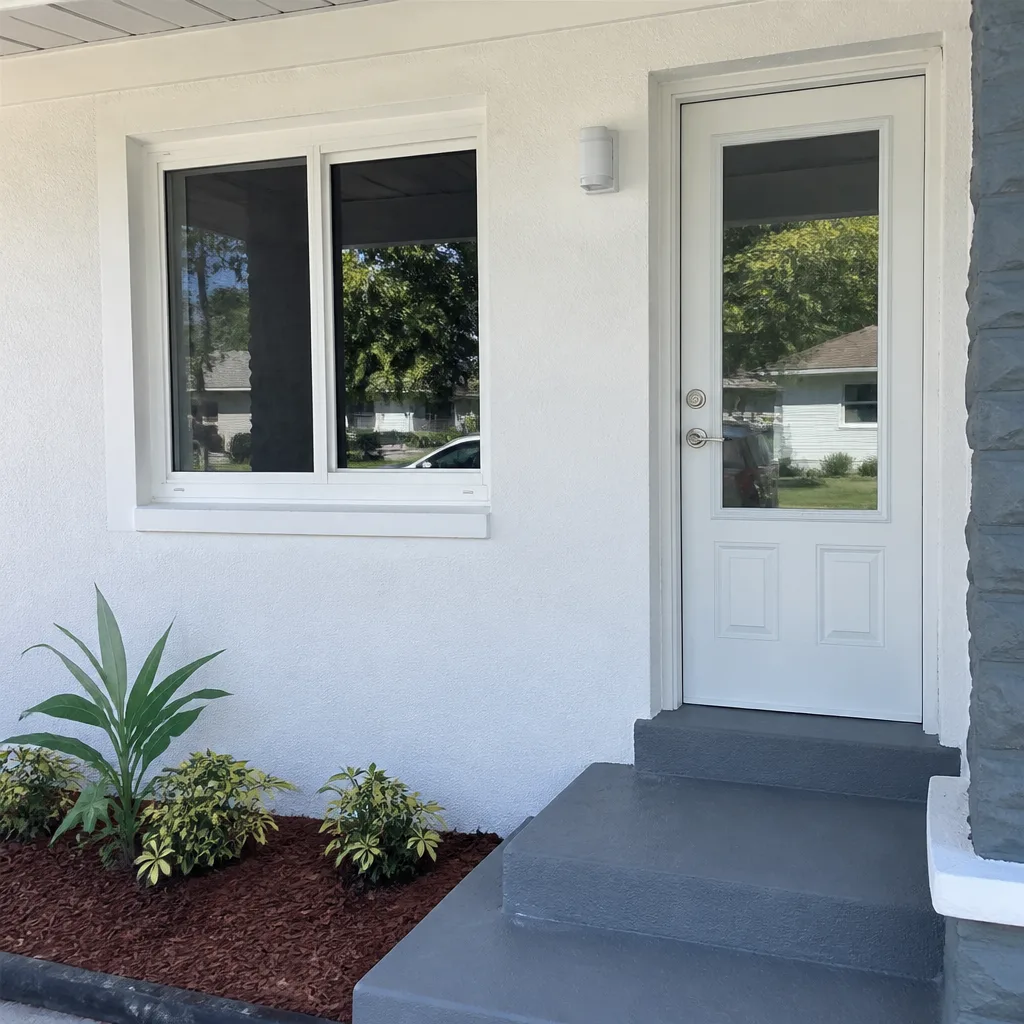 After
AfterSeasonal Windows & Doors Care for Gladeview: Year-Round Homeowner’s Guide
Here’s a fact most seasonal maintenance guides won’t tell you: in Gladeview, the “off season” for hurricane prep doesn’t exist. Atmospheric conditions that cause wind damage can occur as early as June 1 and as late as November 30, which means homeowners who schedule their annual window check in October are already late. That’s the counterintuitive reality of living between Biscayne Bay and the Intercoastal corridors, where salt air works on your frames 12 months a year and the humidity never really takes a day off. This guide reorganizes window and door care around South Florida’s actual climate rhythm: a wet season that demands one set of tasks, a dry season that creates its own odd problems, and a hurricane season that overlaps both. By the end, you’ll know exactly what to check, when to check it, and how to keep a maintenance log that doubles as insurance documentation for wind-mitigation inspections.
Quick Answer
Seasonal window and door care in Gladeview means scheduling proactive inspections before the wet season starts in May, addressing salt-air corrosion year-round, preparing windows and doors properly when a hurricane watch is issued (not waiting for a warning), and using the December-to-March dry period for frame and seal maintenance that prevents gaps and air leaks. The most important task is the pre-wet-season hardware and weep-hole check completed between April 1 and May 15, before standing water and daily downpours stress every threshold, track, and seal in your home.
Table of Contents
- Wet Season Prep (April-May): The Critical Window Before Standing Water Season
- Hurricane Season Protocol (June-November): Watch vs. Warning Tasks
- Dry Season Care (December-March): Managing Low-Humidity Frame Gaps
- Year-Round Salt-Air Mitigation for Gladeview Homes Near the Bay
- Building a Seasonal Maintenance Log That Insurance Inspectors Actually Accept
- Signs Your Windows and Doors Are Failing in Gladeview’s Climate
- What Homeowners Can Safely Check vs. What Needs a Professional in Gladeview
- Common Mistakes to Avoid
- When to Call a Professional
- Frequently Asked Questions
- The Bottom Line
Wet Season Prep (April-May): The Critical Window Before Standing Water Season
Gladeview’s wet season officially begins in May, but we tell homeowners to complete their pre-wet-season window and door tasks by mid-April. The reason is simple: once the daily afternoon thunderstorms start, any unaddressed issue with a weep hole, threshold seal, or weatherstripping turns from a minor annoyance into interior water damage within weeks. Standing water doesn’t evaporate quickly here, especially during the humid months when the ground is already saturated. Here’s a timeframe worth knowing: the first heavy rains usually arrive in the second or third week of May, so use April as your deadline month.
What most homeowners overlook is that the wet season isn’t about dramatic failures, it’s about slow, cumulative water intrusion that you don’t notice until the floorboards start cupping near the sliding door or the window sill paint begins to bubble. We’ve inspected Gladeview homes in neighborhoods like Gladeview Acres and West Little River where water had been working its way past a failed threshold seal for two full wet seasons before the damage became obvious. By then, the repair was a door replacement plus subfloor work instead of a $60 weatherstrip replacement.
Your Pre-Wet-Season Checklist
- Clear every weep hole. Weep holes are the small drainage channels at the bottom of window frames and sliding door tracks. When they clog with pollen, wind-blown debris, or insect nests, water backs up inside the frame and finds its way into the wall cavity. Use a thin wire or compressed air to clear them, then run water into the lower track and confirm it drains out the exterior side.
- Inspect and replace threshold seals. The rubber or vinyl sweep under entry doors and sliding doors compresses over time and loses its ability to block standing water. In Gladeview’s heavy downpours, a worn threshold sweep can allow water to pool inside the door track and spill onto interior flooring. If the sweep is cracked, flattened, or shows daylight from the inside, replace it before May.
- Check hardware torque on every hinge, roller, and lock point. Metal components expand and contract with humidity cycles, and screws gradually loosen. Loose hinges on a heavy impact-rated PGT door cause it to sag, which breaks the weatherstripping seal and lets water in at the top corners. Torque all visible screws, and if a door or window now operates with less resistance or you hear a rattle when it closes, the hardware likely needs adjustment or replacement.
- Test the operability of every window and sliding glass door. Windows that are sticky now will be worse in June when wood and aluminum components swell. Forcing a stuck window risks bending the frame or snapping the sash lock. A window that doesn’t glide should be professionally adjusted before the humidity peaks.
- Confirm exterior caulking is intact around every frame. The sun degrades exterior-grade caulk surprisingly fast in South Florida. Check for cracks, gaps, or areas where caulk has pulled away from the brick or stucco. Re-caulk any gaps with a high-quality exterior sealant rated for our UV and moisture conditions.
In our experience at Winslow Windows & Doors home, many Gladeview homeowners discover during this checklist that their windows are older than they thought and the frames are no longer capable of keeping water out regardless of caulking and new sweeps. When that’s the case, it’s worth getting a professional assessment of whether repair or window replacement in Gladeview makes more financial sense before the wet season turns a small leak into a large one.
Hurricane Season Protocol (June-November): Watch vs. Warning Tasks
Gladeview sits in a hurricane vulnerability zone, and the distinction between a hurricane watch and a hurricane warning isn’t just meteorological, it should change your physical preparation. Our protocol is built around the reality that South Florida doesn’t give you unlimited time. A watch typically means conditions are possible within 48 hours. A warning means they’re expected within 36 hours, but in practice, roads clog, supplies run out, and contractors’ phones stop being answered long before that 36-hour window closes.
What to Do When a Watch Is Issued (48 Hours Out)
- Clean all window and door tracks. Remove debris from the lower tracks of sliding doors and windows. If water can’t drain during a storm, the track becomes a reservoir that overflows into your home.
- Confirm all locks engage properly. Locks aren’t just security, they’re the mechanical connection that holds the sash or panel against the frame during wind pressure. A lock that’s loose allows the window to rattle and flex, which can break glass or pull the frame away from the mounting surface.
- Photograph the condition of every window and door. Take clear photos of frames, glass, seals, and hardware. If storm damage occurs, you’ll have documentation of the pre-storm condition for your insurance claim. This habit also feeds into the maintenance log approach we describe later.
- Close and latch everything, including interior doors. Interior doors that are latched help distribute wind pressure more evenly if an exterior opening fails. Leaving them open creates a channel for wind to funnel through the house.
- Secure or store loose exterior items. This doesn’t directly involve windows and doors, but a flying lawn chair becomes a projectile that can shatter a window instantly.
What to Do When a Warning Is Posted (36 Hours or Less)
Once a warning is issued for Gladeview, the window and door work that should have been done is now impossible to schedule. This is the moment to execute your existing plan, not create one.
- Deploy your storm protection. If you have impact windows and doors from manufacturers like PGT or CGI, you’re already protected. Confirm they’re closed and locked, then move inside. If you rely on shutter systems or panels, install them exactly as the manufacturer specifies. Improperly installed panels become missiles.
- Do not tape windows. Taping glass with masking or duct tape doesn’t prevent breakage and it creates larger, more dangerous glass shards when impact does occur. It’s a persistent myth that wastes precious preparation time.
- Close interior doors to compartmentalize the home. Wind entering through one broken window exerts pressure that can blow out the roof or other windows if the structure can’t vent. Closed interior doors slow the pressure transfer.
- Move valuables and important documents away from windows and door openings. If you’re in a home without impact glass, this is standard preparation.
Here’s what many Gladeview homeowners don’t fully understand until after their first storm: windows and doors that were already compromised before the storm are the ones that fail during it. A window installation in Gladeview that was done correctly with properly anchored frames and impact-rated glass from PGT, CGI, or CWS will perform dramatically better than an older, builder-grade window that was already leaking air and water. The off-season maintenance checklist in this guide is what makes the difference between a window that survives 110 mph winds and one that doesn’t.
Dry Season Care (December-March): Managing Low-Humidity Frame Gaps
Gladeview’s dry season is relative. December through March brings lower humidity, less frequent rain, and occasional cold fronts, but we’re not talking about Phoenix-level aridity. Still, the shift is significant enough to affect window and door frames, particularly wood components. The moisture content in wood door frames and jambs drops during these months, causing the material to contract. The result is visible gaps between the door and the jamb, doors that rattle in their frames, and air leakage around window sashes that feels like a draft even when the temperature barely drops below 60°F.
Homeowners often interpret these winter gaps as a sign that the door or window is “wearing out” and needs replacement. That’s frequently the wrong diagnosis. In our experience with Gladeview homes, most dry-season gapping is reversible and manageable with the following steps.
Managing Dry-Season Door Gaps Without Replacing the Door
First, confirm the gap is actually new. Many homeowners notice a preexisting gap for the first time in the dry season because the lower humidity makes the air movement feel sharper. Run your hand around the closed door’s perimeter. If the gap is consistent on all sides except the hinge side, the door is likely contracting normally. If the gap is uneven, the door may have shifted on its hinges, which is an adjustment issue rather than a replacement issue.
For a door that contracted, adjusting the strike plate is the most effective remedy. Moving the strike plate slightly outward allows the latch to engage with the door pulled tighter against the weatherstripping. This is a five-minute adjustment that restores the seal until spring humidity expands the door back to its wet-season size. If the gap is wider than 1/8 inch, the weatherstripping itself may need to be upgraded to a thicker profile.
For wood window frames that develop visible gaps between the sash and frame, the first response should be to inspect the sash for warping. A slight seasonal warp that operates smoothly is usually harmless. A window that now sticks or binds in its track requires professional adjustment before you force it and crack the frame or glass.
One specific note for Gladeview homeowners with wood front doors: our dry season is also your best window for refinishing or resealing. Paint and sealant applications require a stretch of low-humidity, no-rain weather to cure properly, and December through March offers the most predictable scheduling window of the year.
Year-Round Salt-Air Mitigation for Gladeview Homes Near the Bay
Gladeview’s proximity to Biscayne Bay and the Intercoastal corridors means every window and door on your home is exposed to airborne salt throughout the year, even if your street isn’t directly on the water. Salt spray travels remarkably far inland on coastal breezes, and it settles on aluminum frames, metal hardware, and glass surfaces where it accelerates corrosion, pits finishes, and seizes moving parts. This is one of the most underappreciated maintenance factors in our area.
Salt-air damage doesn’t announce itself. It accumulates in layers. You won’t see it eating the powder coating off your aluminum window frames until the damage is already visible as pitting or white oxidation. What you’ll notice first is operational: rollers on sliding doors start to feel gritty, lock mechanisms get stiff, and hinges develop a creak that wasn’t there before. These are the early warnings.
A Realistic Salt-Air Maintenance Routine for Gladeview
- Rinse window and door frames monthly during the dry season, more often when storms blow in off the bay. Use plain water from a garden hose, not a pressure washer. The pressure washer can force water past seals and into the frame. A gentle rinse removes salt residue before it has time to react with the metal surface.
- Wipe down visible metal hardware every 6-8 weeks. Hinges, handles, lock cylinders, and roller assemblies. A damp cloth followed by a dry cloth is sufficient for routine maintenance. If you notice white residue, use a diluted vinegar solution (1 part vinegar to 4 parts water) to dissolve the salt, then dry thoroughly and apply a light silicone lubricant to moving parts. Avoid oil-based lubricants; they attract dirt and salt and turn into grinding paste.
- Inspect for pitting or blistering on aluminum frames twice yearly. Pitting begins as tiny dots in the factory finish, usually on the windward side of the home. If you see pitting but the frame is structurally sound, the finish can be repaired. If the pitting extends deep into the metal, the frame is compromised and may need replacement. In coastal Florida, frames that look fine from a distance can be structurally weakened beneath the surface.
- Pay special attention to impact windows and doors. Products from PGT, CGI, and ES Windows are built for coastal conditions, but their hinges, rollers, and locking hardware are still subject to salt accumulation. Impact glass doesn’t corrode, but the hardware that makes it operate will if left unmaintained.
The takeaway for Gladeview homeowners: salt-air maintenance is boring, repetitive, and non-negotiable. It’s also the difference between hardware that lasts 5 years and hardware that lasts 20.
Building a Seasonal Maintenance Log That Insurance Inspectors Actually Accept
Here’s a strategy that Gladeview homeowners almost never use but that pays off twice. A dated maintenance log for your windows and doors serves two purposes: it keeps you organized, and it provides documented evidence of ongoing care that insurance companies and wind-mitigation inspectors treat as a positive factor when evaluating policies and premiums.
Florida insurance companies are notoriously strict about documentation. The homes that get the best wind-mitigation discounts are the ones where the owner can show a paper trail. A simple notebook or spreadsheet is enough, but it has to contain the right details. Here’s what a useful entry looks like.
What to Log and How to Log It
- Date of every inspection, adjustment, cleaning, and repair. Include the season and the reason. “April 12, 2026: Quarterly weep hole clearing completed. All drains flowed freely after cleaning.”
- Specific components checked. Don’t write “checked windows.” Write “checked all 14 window weep holes, 3 sliding door tracks, and all exterior caulking around front and rear entries.” Specificity signals that actual work was done.
- Actions taken. Note what you adjusted, replaced, or cleaned. Include part types where relevant. “Replaced worn threshold sweep on rear sliding door with 3″ vinyl sweep rated for exterior exposure.”
- Photos, stored by date. Every phone has a camera. Take photos during inspections and file them by date. Insurance adjusters and inspectors respond strongly to visual documentation. A series of dated photos showing the same window track clean year after year is compelling evidence of maintenance.
- Any professional services performed. Record the company name, date, and scope of work for any repair or impact window installation in Gladeview. Keep invoices with the log.
- Pre-storm documentation. Before any named storm approaches, photograph every window and door from the interior and exterior, and make a log entry with the date and storm name. If damage occurs, you’ve documented the pre-storm condition and can demonstrate it.
This log doesn’t need to be elaborate. A $10 notebook with dated entries works as well as a spreadsheet. The key is consistency. An inspector who sees two years of quarterly entries with specific details will take you and your home seriously. An inspector who sees nothing will assume nothing was done.
Signs Your Windows and Doors Are Failing in Gladeview’s Climate
Some homeowners in Gladeview only realize their windows and doors are failing after the failure has become obvious. Here are the subtle early warnings that something is wrong, organized by the season in which they’re most commonly noticed.
Wet Season Warning Signs
- Water pooling inside the window track after rain. If water collects inside the lower track and sits there, the weep holes are clogged or the sill is improperly sloped. Don’t wait until the water spills over into the wall.
- Softness or discoloration in the drywall near a window or door corner. This indicates water has been getting past the frame for some time. By the time you see it, the interior damage is already underway.
- Mold or mildew on window sills or door thresholds. Gladeview’s humidity means any persistent moisture grows mold quickly. If you’ve cleaned mold from a sill and it returns within weeks, the source is water intrusion, not just humidity.
Dry Season Warning Signs
- Visible light around a closed door. Stand inside on a sunny day and close the door. If you can see daylight around the edges, the seal has failed. This is basic energy loss and a clear sign the door isn’t protecting your home.
- A door that rattles in its frame when the wind blows. This suggests the door is not being held firmly by the latch and weatherstripping, which also means it’s not providing its full wind-load resistance.
Year-Round Warning Signs
- Windows that feel dramatically hotter than the surrounding wall on a sunny day. This indicates the low-E coating, if present, has failed or the window was never designed for Florida’s solar gain. It’s also a signal your cooling system is working harder than necessary.
- Lock mechanisms that require force to operate. Forcing a lock eventually breaks it. A lock that’s difficult to turn is telling you the hardware is corroding or the door has shifted.
If you’re noticing any of these signs, the correct response is an assessment, not necessarily a full replacement. Some of these conditions are repairable. Some are not. The only way to know is to have the window or door evaluated honestly by someone who tells you what you don’t need to buy as clearly as what you do.
What Homeowners Can Safely Check vs. What Needs a Professional in Gladeview
Most of the seasonal maintenance in this guide is within reach of a motivated homeowner. Cleaning weep holes, checking for daylight around doors, wiping down hardware, and maintaining a log are all tasks you should do yourself. They take minutes, not hours, and they make you a more informed homeowner even when you do end up needing professional help.
But there’s a line. When it comes to the structural and safety-critical components of windows and doors in a hurricane zone, your insurance company, your local building code, and common sense all point in the same direction: some work needs a trained professional.
When to Step Back and Call a Pro
- Any hardware replacement that requires drilling into or anchoring to the frame. If you’re installing new locks, new hinges, or new roller assemblies, and the installation requires creating new screw holes in an aluminum or vinyl frame, a mistake can compromise the frame’s structural integrity. This is especially true for impact-rated products from manufacturers like PGT, CGI, CWS, and ES Windows, where the anchoring and load-path are engineered systems, not simple hardware swaps.
- Glass that shows any sign of stress, chips, or cracks. Even a small chip can spread under thermal stress or wind load. Impact-rated glass that’s damaged is no longer providing its rated protection, even if it looks intact on the surface.
- Windows or doors that are out of square or no longer latch at all. A complete latch failure usually means the frame has shifted significantly, and forcing the panel back into position can cause more damage than it fixes.
- Any water intrusion that’s already showing interior damage. Once drywall, flooring, or trim is involved, the window or door is part of a larger repair project and needs professional inspection.
Common Mistakes to Avoid
- Waiting until October to start hurricane preparation. Gladeview’s hurricane season starts June 1, and the most active months are August and September. A homeowner who does their first window and door inspection in October has already been through the period of highest risk with unverified protection.
- Ignoring weep holes because they look like a design flaw. Those small openings at the bottom of window and door tracks are intentional drainage channels. Homeowners sometimes caulk them closed to “keep bugs out,” which then traps water inside the frame and accelerates rot, corrosion, and interior leaks.
- Taping windows before a storm. This is the most persistent myth in hurricane preparation. Tape does not strengthen glass, and it creates larger, more dangerous shards when the window does break. Florida’s building science community has been fighting this misconception for decades.
- Treating dry-season door gaps as a sign of imminent failure. A wood door that shrinks and gaps during Gladeview’s low-humidity winter is behaving normally. Replacing the door because of a seasonal gap is like replacing your car because it gets worse mileage in winter. Use the adjustment techniques in the dry season section instead.
- Relying on a pressure washer to clean window frames. Pressure washers force water past seals and into wall cavities. A garden hose and a soft cloth are the right tools for salt-air cleaning. Save the pressure washer for concrete.
- Skipping the maintenance log because “insurance doesn’t ask for it.” Insurance doesn’t ask for it because most homeowners don’t have one. When a wind-mitigation inspector or an adjuster asks about the condition of your windows and doors, a documented history is the strongest possible evidence. The log costs nothing to keep and pays off exactly when you need it.
- Assuming impact windows need zero maintenance. Impact-rated glass from PGT or CGI is engineered to withstand extreme conditions, but the frames, seals, locks, and rollers around that glass are subject to the same wear, salt corrosion, and humidity exposure as any other window. Skipping maintenance on an impact-rated product shortens its service life and can void certain manufacturer warranty terms.
When to Call a Professional
Call a professional when you find water intrusion that has reached your interior finishes, when a window or door no longer latches securely, when you see visible glass damage of any kind, when hardware replacement requires new anchor points in an impact-rated frame, or when you’ve completed your seasonal checklist and found multiple items that need attention at once. These situations benefit from a trained eye and, in many cases, from a documented professional assessment. Winslow Windows & Doors offers free estimates in Gladeview, and we’re happy to walk through the checklist with you honestly, telling you what needs work and what can wait. Call (727) 604-9322 to schedule yours.
Frequently Asked Questions
Most homeowners who perform their own seasonal maintenance spend between $50 and $150 per year on supplies like weatherstripping, threshold sweeps, lubricants, and exterior caulk. Professional maintenance inspections in Gladeview typically range from $150 to $400 depending on the number of windows and doors and the scope of any adjustments or minor repairs performed. For detailed pricing context, see our Windows & Doors Cost Breakdown: The Gladeview Homeowner’s Reference for 2026. Winslow Windows & Doors provides a written line-item quote before any work begins so you know exactly what each service costs.
Schedule your primary maintenance window between April 1 and May 15, before the wet season’s daily thunderstorms begin. The secondary window is December through March, when lower humidity makes it easier to address wood frame gaps and apply sealants and finishes that need dry weather to cure properly. Our team at Winslow Windows & Doors books window and door tune-up appointments throughout April for this exact reason. Call (727) 604-9322 to schedule yours before the rain pattern shifts.
Yes. The impact-rated glass is permanently sealed and requires no routine care beyond cleaning, but the frames, hardware, rollers, and seals around that glass are subject to the same salt accumulation, humidity cycles, and mechanical wear as any other window. Regular cleaning of tracks and weep holes, torque checks on hardware, and salt-air rinses extend the life of the complete assembly. Skipping maintenance can lead to water intrusion around an otherwise perfectly good impact window.
Your wood door is contracting due to the lower humidity of the dry season. Wood loses moisture content when the ambient air dries out, causing the door slab to shrink slightly and create visible gaps between the door and the jamb. This is a normal seasonal cycle, not a product failure. The fix is usually a strike plate adjustment or a thicker weatherstripping profile, not a new door. The gaps will close again when humidity returns in the spring.
If you live within a few miles of Biscayne Bay or the Intercoastal waterways, rinse your window and door frames monthly with plain water from a garden hose. Homes further inland can extend that to every other month. Increase the frequency during periods when persistent onshore breezes are blowing salt-laden air toward your home. The rinse takes minutes and prevents the gradual accumulation that causes pitting and corrosion on aluminum frames and hardware.
A hurricane watch means tropical storm or hurricane conditions are possible in your area within 48 hours. This is the time to clean tracks, confirm locks engage, photograph the condition of your windows and doors, and make sure your storm protection is accessible. A hurricane warning means conditions are expected within 36 hours or less. At that point, all prep should already be done, shutters or impact systems should be deployed, and you’re staying inside. If you still have open maintenance items when a warning hits, you waited too long. For homeowners who need window or door repairs before the season, Winslow Windows & Doors schedules pre-hurricane-season maintenance appointments throughout April and May. Call (727) 604-9322 to get on the calendar.
The Bottom Line
Gladeview doesn’t give homeowners the luxury of seasonal forgetfulness. Your windows and doors face a wet season that tests every seal and weep hole, a hurricane season that demands preparation long before the first watch is issued, and a dry season that creates its own maintenance challenges in the form of frame gaps and wood contraction. Overlaid on all of it is the constant presence of salt air from the bay. The homeowner who succeeds in this environment is the one who works on a calendar that matches Gladeview’s actual climate rhythm, keeps a dated log of every inspection and repair, and knows the difference between a task that takes five minutes and a problem that requires a professional. Ed’s name is on the door at Winslow Windows & Doors, and on every job we do. The one down the road.
Written by Ed Winslow, Owner at Winslow Windows & Doors, serving Gladeview since 2011.
Six Reasons Homeowners Choose Winslow Windows & Doors
Impact systems engineered to design pressures up to +/-100, matched to your wind zone - your openings hold when the storm arrives.
Low-E insulated impact glass from our manufacturer lines commonly cuts monthly cooling bills 20-30%.
Laminated impact glass shuts out up to 40% of outside noise - traffic, neighbors, weather.
Monitoring services run $30-90 a month. Laminated impact glass resists forced entry around the clock, with no subscription.
Florida homeowners average around 25% savings on the windstorm portion of their policy after protecting every opening - some homes qualify for more.
A full impact package upgrades curb appeal, buyer confidence and appraised value in one project.