
Last updated August 27, 2026
Free in-home measure and quote - PGT, CGI and CWS impact lines compared on your actual openings, style by style
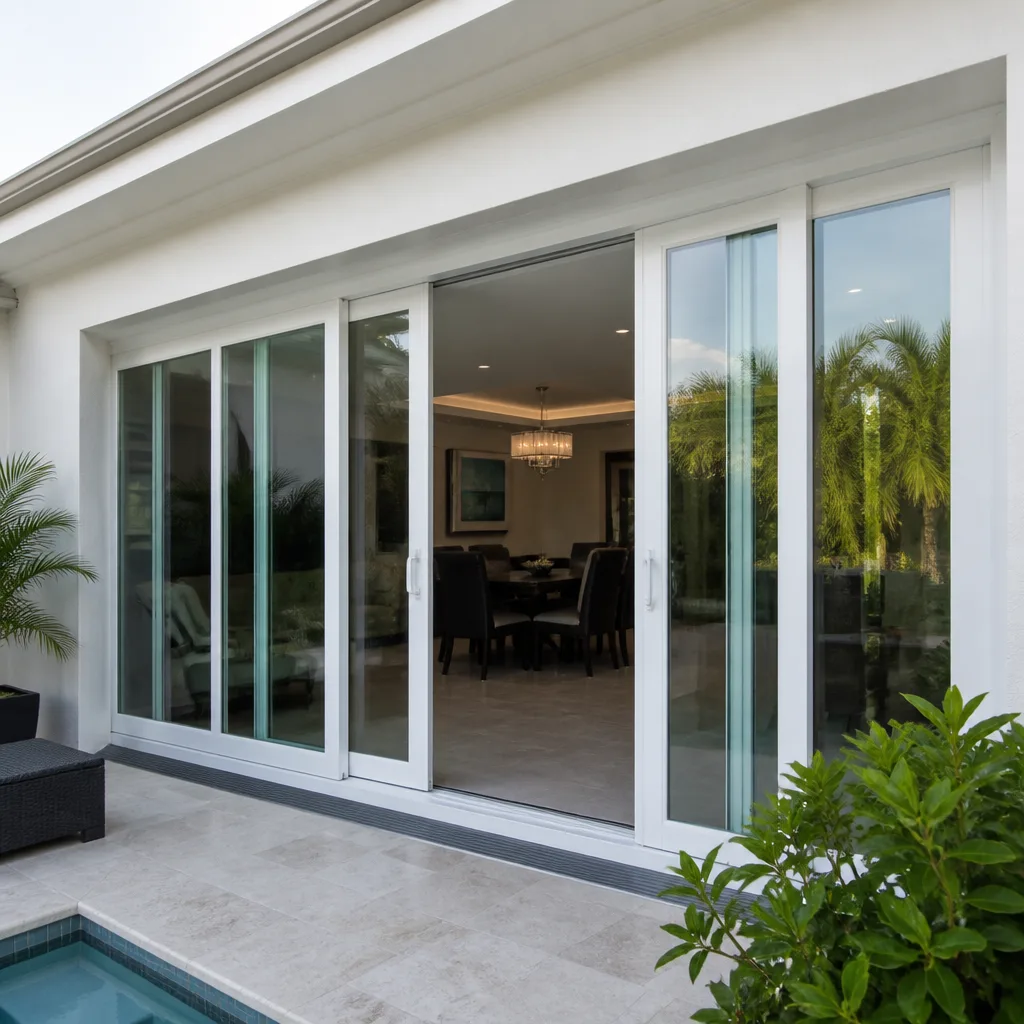
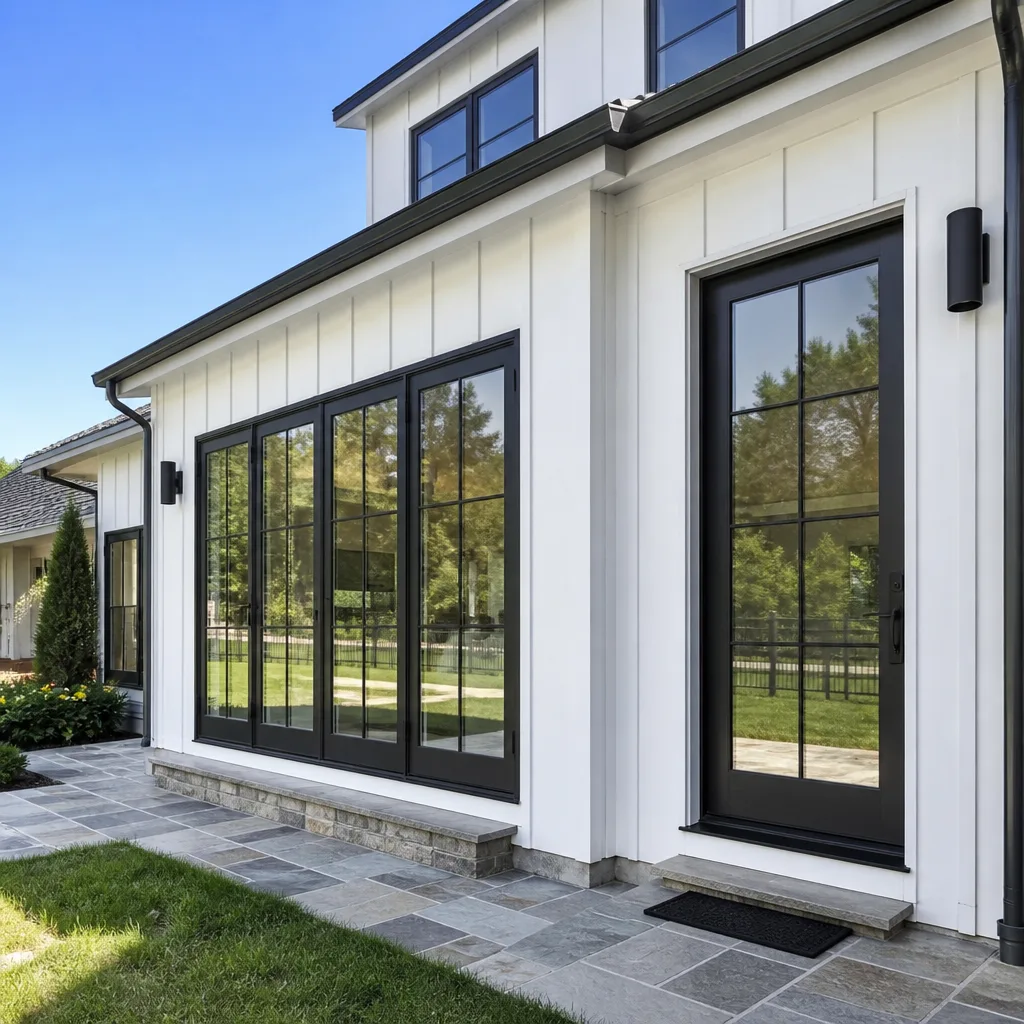
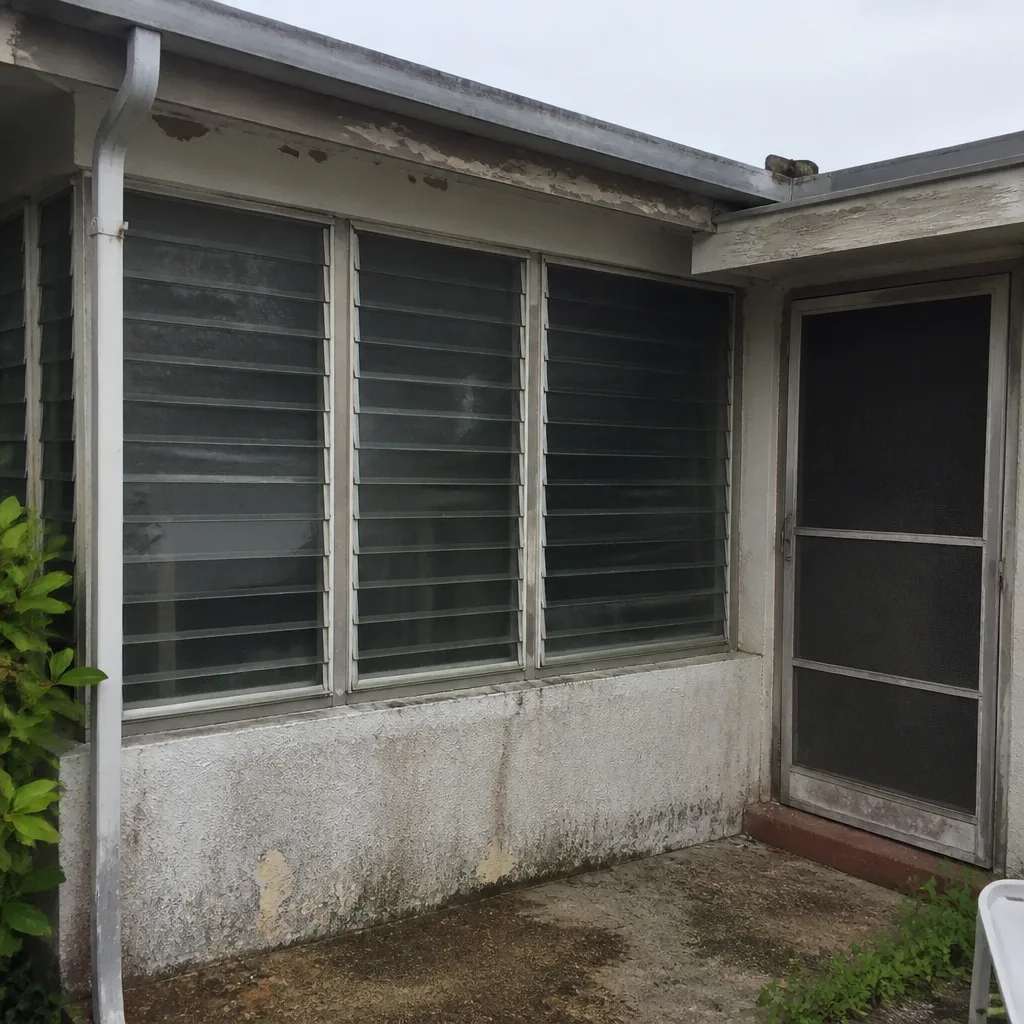 Before
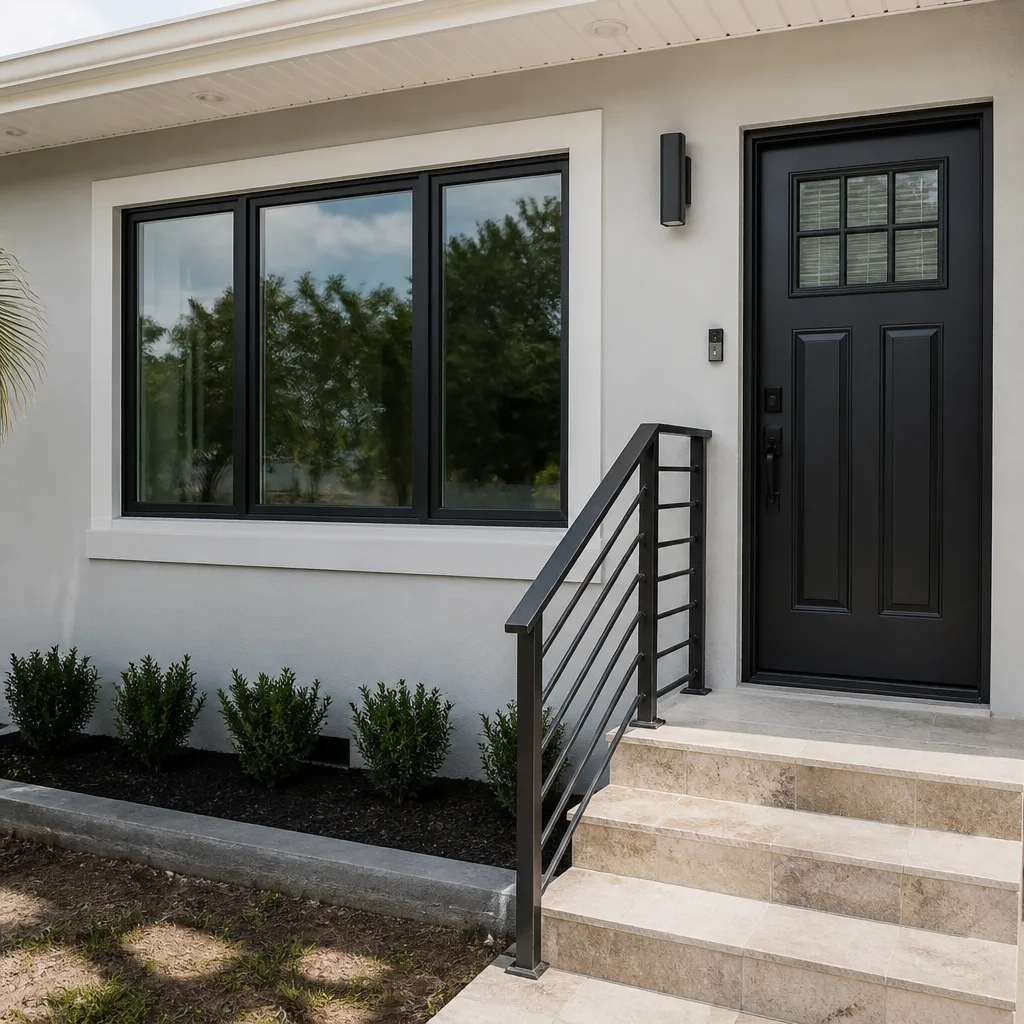 After
After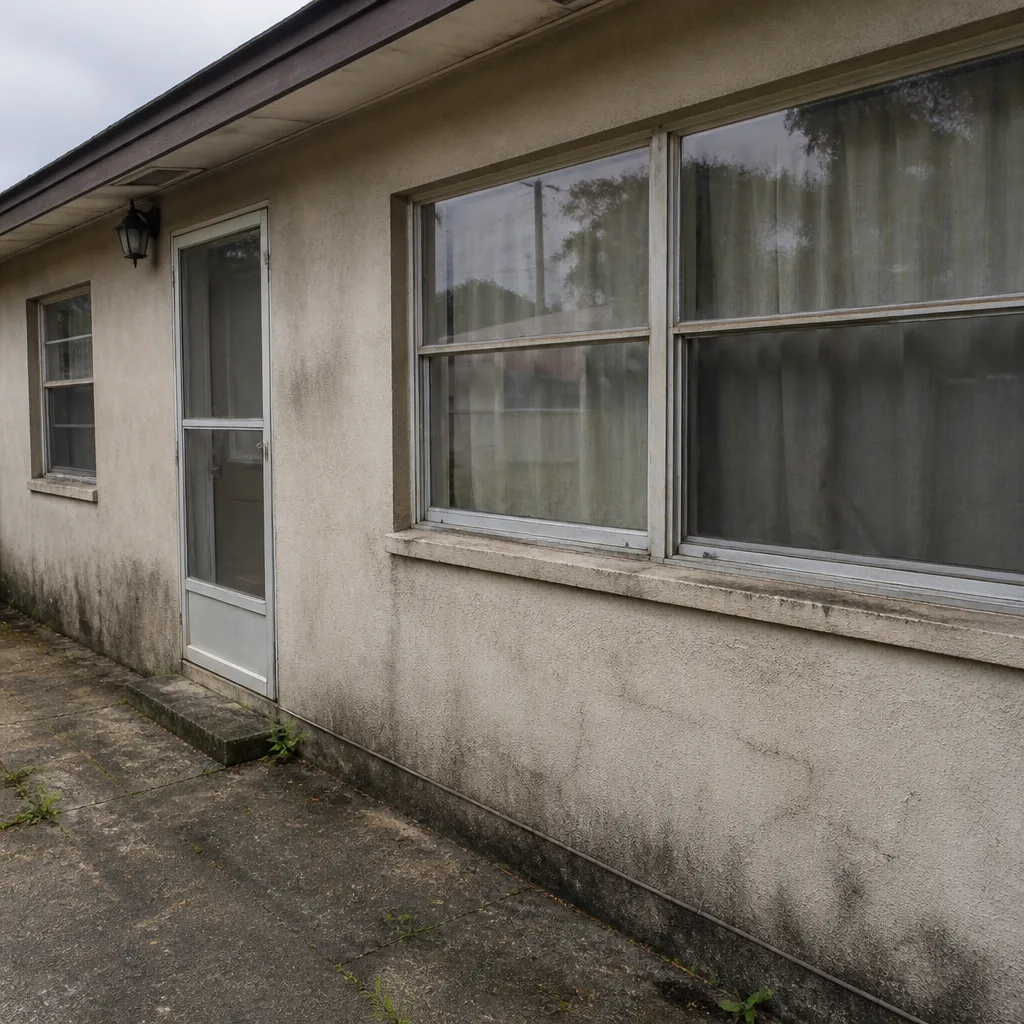 Before
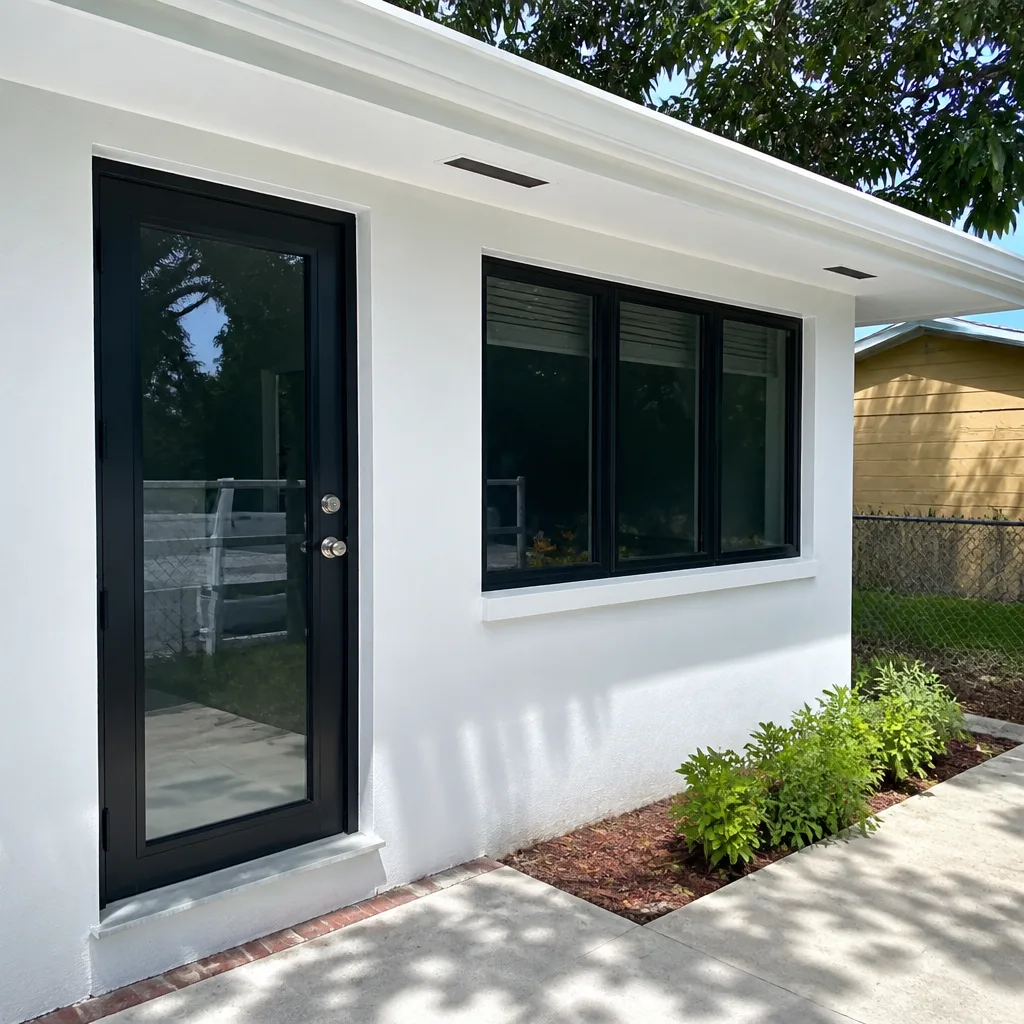 After
After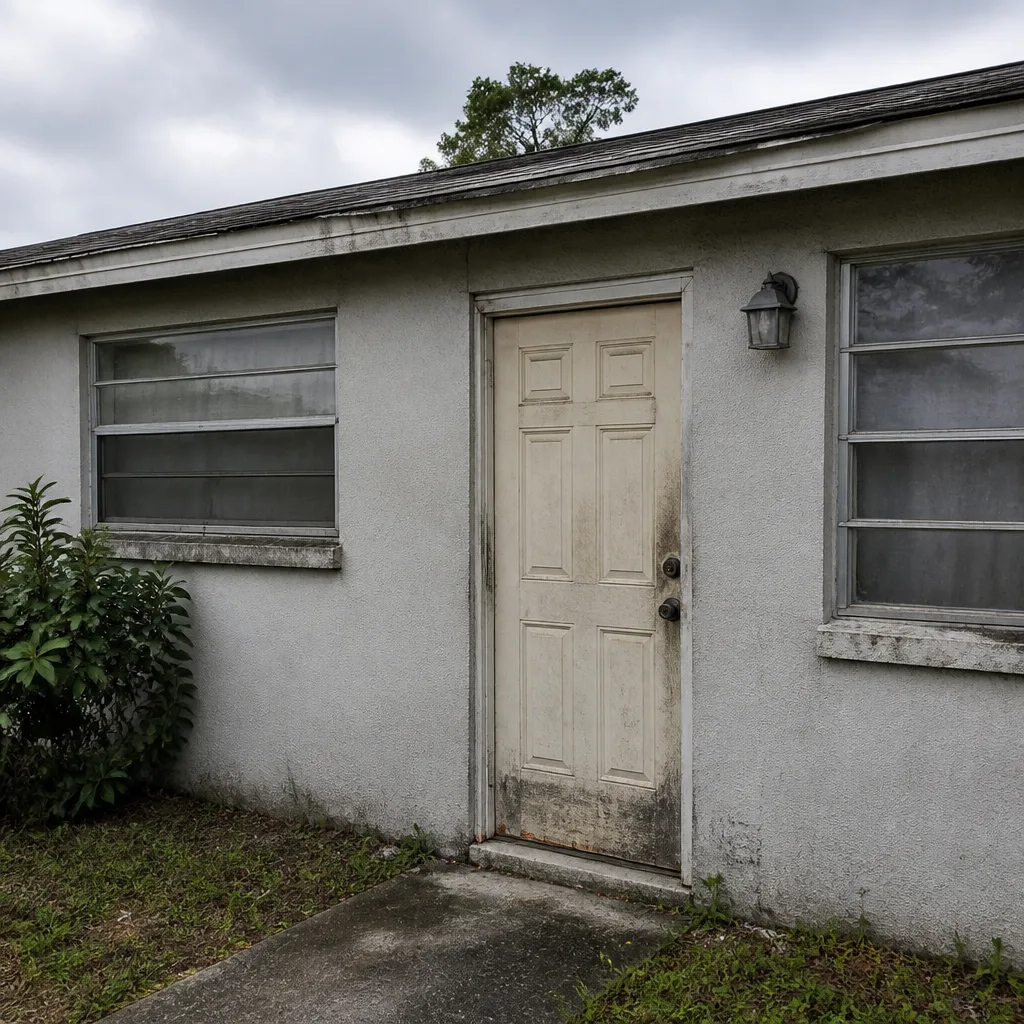 Before
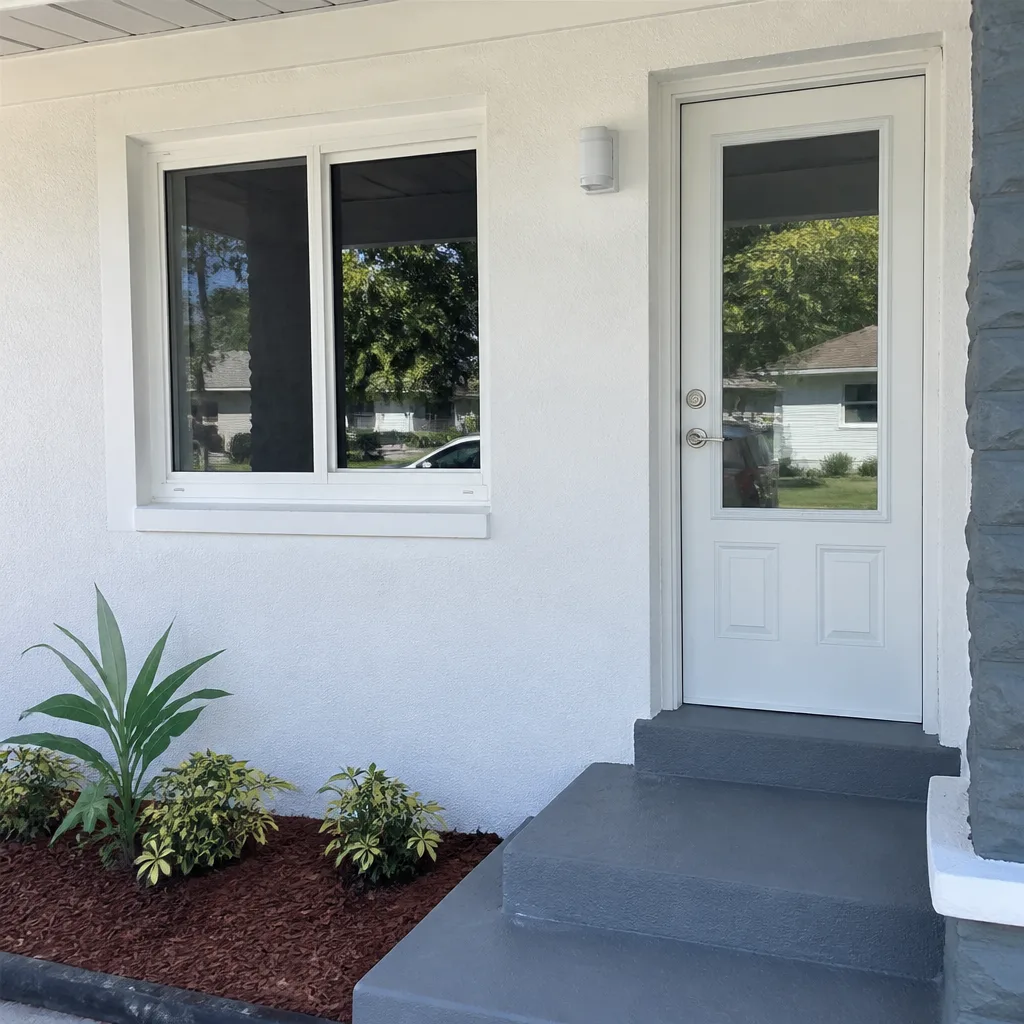 After
AfterDIY vs Professional Windows & Doors: The Gladeview Homeowner’s Decision Guide
Most window replacement guides on the internet read like they were written by someone who has never stood in a Gladeview living room during an August thunderstorm. Here, the question is not whether you can physically wrestle a window into an opening. The question is whether you can legally do it, whether the product you are buying is even permitted for sale in Miami-Dade County, and whether your insurance company will still cover the house when you are done. Gladeview sits inside one of the strictest building-code regions in the United States, the High Velocity Hurricane Zone, or HVHZ. That fact rewrites every rule you think you know about DIY home improvement.
By the end of this guide, you will understand exactly where the legal line sits between what a Gladeview homeowner can do themselves and what requires a licensed contractor, what those rules cost you in the real world, and how to avoid turning a weekend project into a permanent problem on your property record. For related reading, see our guide on How to Hire a Windows & Doors Contractor in Gladeview: A Step-by-Step Guide.
Quick Answer
In Gladeview, replacing a window or exterior door is a licensed-contractor-required job under Florida Statute 489 and Miami-Dade HVHZ code. A homeowner cannot legally pull the permit, cannot self-certify NOA product approval, and cannot pass the required third-party inspection. What a Gladeview homeowner can legally do themselves is limited to maintenance: weather-stripping, hardware replacement, caulk and sealant work, and basic latch adjustment. For everything else, the DIY-versus-pro decision has already been made for you by state law.
Table of Contents
- What Florida Law Actually Says About DIY Window Replacement in Gladeview
- Why the HVHZ Changes Everything: Product Approval and the Installer Attestation
- What a Gladeview Homeowner CAN Legally Do Themselves
- What Happens When an Unpermitted DIY Window Job Is Discovered
- The Cost-Honest Comparison: DIY Savings vs. Full Exposure
- The Product Reality: What Home Depot Sells vs. What Gladeview Requires
- Step-by-Step: How a Legal Gladeview Window Replacement Actually Happens
- Common Mistakes to Avoid
- When to Call a Professional
- Frequently Asked Questions
- The Bottom Line
What Florida Law Actually Says About DIY Window Replacement in Gladeview
Florida Statute 489.103 sets the framework, and Miami-Dade County builds an entire castle on top of it. The statute says that a homeowner may act as their own contractor only when the home is their primary residence, they intend to live in it rather than sell or lease it, and they personally perform or directly supervise the work. That is the statewide homeowner-builder exemption. In most of Florida, a handy homeowner can use it to pull a permit for a window swap.
Miami-Dade County, which includes Gladeview, takes a much harder line. The county’s HVHZ provisions require that any structural product installation involving the exterior envelope of a building be performed by a contractor holding the correct licensing classification and carrying the appropriate insurance. Window and door replacement touches the exterior envelope. The permit application in unincorporated Miami-Dade and its municipalities requires a contractor license number on the form. A homeowner-builder permit for fenestration work is, in practical terms, not issued in this county.
We have watched homeowners from West Little River down to Brownsville try to navigate this, and the answer from the building department is consistent. The plan reviewer will not accept a homeowner-builder affidavit for window or door replacement. The permit portal will not let you proceed without a licensed contractor of record. And even if a permit were somehow issued, the subsequent inspection would fail because the installer attestation discussed below would be missing.
The practical result: in Gladeview, DIY window or door replacement is not a legal gray area. It is a prohibited act under county code, and it creates an unpermitted condition on your property that follows the property, not the person who did the work.
Why the HVHZ Changes Everything: Product Approval and the Installer Attestation
Miami-Dade County is the only place in the continental United States, outside of portions of Broward, with its own product approval system for building components. Florida as a whole uses the Florida Product Approval system. Miami-Dade runs its own NOA program, which stands for Notice of Acceptance. Every window and exterior door installed in Gladeview must carry an NOA number that corresponds to a product tested and approved for use in the HVHZ.
Here is the part that most DIY articles never mention. The NOA is not just a sticker on the product. It is a document that includes an installation chapter, and the manufacturer’s approval is conditional on installation being performed by a licensed contractor who signs an attestation stating that the work followed the NOA’s fastened-method requirements. This installer attestation is a legal signature with liability attached to it. A homeowner cannot sign their own attestation. The building department will not accept it. The product manufacturer’s warranty will not honor it. And in the event of a claim, the insurance adjuster will flag it immediately.
For a Gladeview homeowner torn between doing the work and hiring it out, the NOA requirement removes the choice. Even if you could source an approved window, which we will address shortly, you could not legally complete the paperwork chain that makes the installation valid.
What a Gladeview Homeowner CAN Legally Do Themselves
The legal DIY line in Gladeview is drawn at maintenance. If the task does not require removing the window from its rough opening, breaking the weatherproofing seal, or altering the structure, you are generally free to do it. These tasks keep your windows functioning well between professional replacements, and doing them correctly extends the life of the units. For a structured approach, follow our Impact Windows Maintenance Checklist for Gladeview Homeowners.
Here is the list of tasks a Gladeview homeowner can legally perform without a permit or contractor:
- Weather-stripping replacement: Remove old, compressed, or cracked weather-stripping from the sash and frame, and install new strips. Choose foam or vinyl stripping rated for high heat and humidity. South Florida sun bakes weather-stripping fast, so expect to replace it every two to three years.
- Caulk and sealant maintenance: Scrape out cracked caulk around the exterior perimeter of window and door frames, clean the joint, and apply a high-quality polyurethane or silicone sealant rated for exterior use. This is one of the most valuable maintenance tasks a Gladeview homeowner can do, because failed caulk is how water gets behind the frame and starts rot.
- Hardware replacement: Swapping a worn crank mechanism, replacing a broken handle, changing a lock cylinder, or installing new hinges on a door that stays in place is all permissible. These are repair tasks that do not require disturbing the waterproofing barrier.
- Latch and lock adjustment: Aligning strike plates, tightening screws, adjusting roller assemblies on sliding glass doors, and re-lubricating tracks. If the door stays in the opening and the frame stays sealed, you are fine.
- Screen repair: Replacing screen mesh in a window or door screen frame. Note: if the screen frame itself is part of the wind-rated assembly on a PGT or CGI impact window, check the manufacturer’s guidance before replacing the mesh, because some impact screens are part of the tested assembly.
- Interior trim and casing: Replacing interior casing or adding interior stops, as long as you are not disturbing the window’s structural attachment to the opening.
Gladeview’s climate makes two of these tasks more important than they would be in other parts of the country, as detailed in our Seasonal Windows & Doors Care for Gladeview: Year-Round Homeowner’s Guide. First, caulk maintenance. The combination of intense UV exposure, daily thermal expansion, and torrential summer rain means exterior caulk on windows and doors fails faster here than almost anywhere in the United States. Second, weather-stripping. Between the humidity and the salt air drifting in from Biscayne Bay, weather-stripping degrades quickly and quietly, and you will notice it first as a sticky sash or an unexplained spike in cooling costs.
Do these tasks well, and you are being a responsible owner. Try to step beyond them into the realm of removal and replacement, and you are entering territory that endangers your property record, your insurance standing, and your ability to sell the house later.
What Happens When an Unpermitted DIY Window Job Is Discovered
The discovery usually happens in one of three ways: a home inspection before a sale, an insurance re-rating visit after a claim or a policy change, or a code enforcement complaint. None of them are pleasant.
During a home sale in Gladeview, the buyer’s inspector will almost certainly flag windows that do not match the property record, lack NOA labels, or show signs of amateur installation. The buyer’s lender may then require proof of permit or remediation before closing. That remediation means removing the unpermitted windows, hiring a licensed contractor to install compliant products, pulling the permit, and passing inspection. The cost of doing it right at sale time is always higher than doing it right the first time, because you are now paying for tear-out of the DIY work, potential framing repair, rush contractor pricing, and the carrying costs of a delayed closing.
Insurance companies in Florida have become aggressive about post-claim inspections, especially after the post-2021 market hardening. If a window or door is tied to a claim and the adjuster determines it was installed without a permit, the carrier may deny the claim, drop the policy, or file for rescission, which is the nuclear option where the policy is voided as if it never existed. Given that Florida homeowners insurance is already the most expensive in the nation, nobody in Gladeview needs to hand their carrier a reason to walk.
Code enforcement is less common but real, especially in dense neighborhoods where exterior work is visible from the street. A complaint leads to a notice of violation, which becomes a lien if not remedied. The lien travels with the property.
The pattern we see again and again in Miami-Dade is the same: a homeowner saves a few thousand dollars on a DIY job, and three years later it costs them fifteen thousand dollars in remediation and a lost or delayed sale. The arithmetic does not work.
The Cost-Honest Comparison: DIY Savings vs. Full Exposure
Let’s run the numbers honestly, because the DIY pitch always starts with the price tag. A mid-range impact window in the Gladeview market, product only, assuming it was available to you, would run somewhere in the $800 to $1,400 range per opening depending on size and brand. A professional installation from a licensed contractor in Miami-Dade adds labor, flashing, fastener systems, permit fees, and inspection costs. The installed price per opening typically lands between $1,800 and $3,200 for mid-range impact products. The DIYer looks at that spread and sees savings of a thousand dollars an opening. That spread is real. It is also not the whole ledger.
Here is the full ledger for a hypothetical Gladeview homeowner replacing five windows:
| Cost or Exposure | DIY (Illegal) Route | Licensed Contractor Route |
|---|---|---|
| Products (5 openings, mid-range) | Unavailable legally; hypothetical $4,000-$7,000 on gray market | $4,500-$7,000, NOA-compliant |
| Permit and inspection | None; unpermitted work | $400-$900, included in contractor scope |
| Labor and installation | $0 upfront | $4,500-$9,000 |
| Installer attestation / NOA compliance | Not possible | Included, signed by licensed contractor |
| Warranty coverage | Voided by unauthorized installation | Manufacturer warranty valid; contractor workmanship warranty |
| Insurance risk | Claim denial or policy rescission possible | No additional exposure |
| Resale remediation cost if discovered | $10,000-$25,000+ including tear-out, re-install, rush labor, closing delays | $0 |
| True financial picture | Upfront savings erased 2-3x by future remediation | Higher upfront cost, stable long-term asset value |
The honest read: a DIY window replacement in Gladeview does not save money. It borrows money from your future self at a punitive interest rate. The savings are real only if nothing goes wrong and nobody finds out. In Miami-Dade, where property transactions involve rigorous inspection and insurance companies are scrutinizing every detail, that bet fails more often than it succeeds.
And this is before we talk about the product itself, which is the next problem.
The Product Reality: What Home Depot Sells vs. What Gladeview Requires
Walk into any home improvement box store in the Miami area and you will find aisles of windows. Almost none of them are legal to install in Gladeview. The windows at the big-box stores are built to the Florida Building Code standard for the rest of the state or to generic national standards. They are not NOA-approved for the Miami-Dade HVHZ. They lack the laminated impact glass, the heavy-interlayer construction, the reinforced frames, and the tested fastener systems that Miami-Dade’s Notice of Acceptance process verifies.
The brands we install across Gladeview include PGT and CGI, the two dominant Hurricane-borne manufacturers in Florida, along with ES Windows, ECO Window Systems, and Mr-Glass for architectural and custom applications, and Therma-Tru for exterior doors. These products carry NOA documentation because they were engineered for this exact code environment. Each product in our lineup carries a specific NOA number that corresponds to the tested configuration we install. When a homeowner asks us what window they should buy, the honest answer is: you cannot buy it yourself, because the distribution channels for NOA-compliant product are restricted to licensed contractors.
That is not industry protectionism. It is the code’s way of ensuring that the person specifying, purchasing, and installing the product is the same person accountable for its performance in a Category 5 wind event. When a window fails in a hurricane, the failure is almost never the glass alone. It is more often the interface between the window frame and the building structure: the anchoring, the flashing, the sealant. Product approval covers the full assembly, including installation. That is why the box-store model does not work here, and why the installer attestation is not a formality.
Step-by-Step: How a Legal Gladeview Window Replacement Actually Happens
When you hire a licensed contractor in Gladeview for window replacement, here is the sequence of events that keeps everything legal and insurable. Understanding this process is useful even when you are not doing the work, because it shows you what should be happening and what to verify.
- Site assessment and measurement. The contractor measures each opening, evaluates the existing framing and flashing, and identifies any water damage, termite damage, or structural issues that must be addressed before installation. In Gladeview’s older housing stock along the NW 79th Street corridor and surrounding blocks, we find rusted lintels, rotted sills, and failed flashing in a meaningful percentage of openings.
- Product selection and NOA verification. The contractor selects a product with an active NOA number appropriate for the opening size, glass type, and design pressure rating. Design pressure requirements are determined by the building’s location on the wind-speed map, and a competent contractor calculates this. The homeowner should verify the NOA number on the permit documents.
- Permit application. The contractor files the permit with Miami-Dade County or the municipality of record, including product approval documentation, installation drawings, and the contractor’s license and insurance certificates. This is the step that a Gladeview homeowner cannot perform alone.
- Installation to NOA specification. The crew removes the old window, repairs any damaged framing, installs the new window using the exact fastener type, spacing, and embedment depth specified in the NOA’s installation chapter, and applies flashing and sealant per the tested assembly. Every step follows a documented method.
- Intermediate inspections. Depending on the scope, the county may require a framing inspection before the window is fully sealed in, and a final inspection after installation. The inspector verifies that the installation matches the approved plans and the NOA. The contractor must be present for inspections.
- Final inspection and closeout. Once the inspector signs off, the permit is closed and the work becomes part of the property’s permanent record. The homeowner receives copies of the permit, the NOA documentation, and the manufacturer’s warranty registration.
The entire process for a typical five-to-ten-window replacement in Gladeview runs one to three weeks from permit filing to final inspection, depending on county workload and product lead times. Impact products from PGT and CGI have been running four to eight weeks from order to delivery, so plan accordingly.
Common Mistakes to Avoid
- Buying windows before checking NOA status. A homeowner finds a “great deal” on windows online or through a liquidator, buys them, and then learns no contractor will install them because they lack Miami-Dade approval. The money is gone, and the windows are unusable in Gladeview. Always verify NOA before any purchase.
- Assuming the homeowner-builder exemption applies. In most of Florida it does. In Miami-Dade it does not, and the building department will not budge. The assumption leads to a permit rejection or, worse, no permit at all.
- Replacing one window at a time as a DIY test. Some homeowners try to “just do one” to see how it goes. That one unpermitted window creates the same legal and insurance exposure as ten. There is no safe test case.
- Ignoring the flashing. The most common failure we see in amateur installations around Gladeview is not the window itself but the water management around it. Improper flashing leads to hidden rot that is not discovered until the stucco is opened up years later.
- Signing a contract without NOA and permit language. Homeowners sometimes hire an unlicensed handyman who promises to “take care of everything.” The handyman cannot pull a permit, cannot sign the installer attestation, and usually disappears when the inspection fails. Verify the license before signing anything.
- Using interior caulk on exterior joints. Interior-grade acrylic caulk breaks down within months under Gladeview’s sun and rain, leaving the window envelope unprotected. Exterior work requires exterior-rated sealant.
- Forgetting the HOA or condo association rules. Parts of Gladeview fall within community associations that have their own architectural review requirements for window and door changes, even when the products are impact-rated. Check the association documents before you start.
When to Call a Professional
You should call a licensed contractor for window and door work in Gladeview whenever the project involves removing a window or door from its opening, replacing the product, altering the frame, or disturbing the exterior waterproofing. That covers every replacement, every new installation, and every repair that requires breaking the seal. It also covers any scenario where you suspect water intrusion, because the fix almost always involves opening the wall to find the leak path.
For maintenance tasks like weather-stripping, caulk, and hardware that a homeowner can do themselves, the DIY path is financially sound and legally fine. When the work steps beyond maintenance, the law and the liability picture point in one direction. If you are not sure which side of the line your project falls on, call a licensed contractor and ask. Winslow Windows & Doors offers free estimates in Gladeview, and Ed Winslow personally answers the phone. Call (727) 604-9322 and we will tell you straight whether your project is a DIY weekend or a permitted professional job.
Frequently Asked Questions
No. Gladeview falls under Miami-Dade County’s HVHZ rules, which require window and door replacement to be performed by a licensed contractor with a permit, NOA-compliant product, installer attestation, and third-party inspection. The Florida homeowner-builder exemption that allows DIY work in much of the state does not apply to fenestration work in Miami-Dade.
Installed impact window pricing in the Gladeview market typically runs $1,800 to $3,200 per opening for mid-range NOA-compliant products, including labor, permit, and inspection. Larger openings, custom shapes, and premium architectural lines from ES Windows or ECO Window Systems run higher. For an exact number on your specific openings, call (727) 604-9322 for a free estimate.
Miami-Dade typically handles unpermitted work not with a fixed fine but with a notice of violation requiring remediation. That remediation means hiring a licensed contractor to remove the non-compliant work, pull a permit, install compliant products, and pass inspection. The cost is usually two to three times the original professional installation price, plus any lien or closing delay if the violation is discovered during a sale. The better question is not the fine but the total exposure.
The risk is high that it will not. Florida carriers actively review window and door installations after claims, and unpermitted work is a common basis for claim denial, policy nonrenewal, or even rescission. If a window fails during a storm and the adjuster determines it was installed without a permit or NOA-compliant product, the coverage gap becomes yours alone.
Any window must carry an active Miami-Dade NOA number for the exact configuration installed. Winslow Windows & Doors installs NOA-compliant products from PGT and CGI, plus architectural lines from ES Windows, ECO Window Systems, and Mr-Glass, and exterior doors from Therma-Tru. The key is not the brand name but the NOA documentation matching the specific product and installation method.
Yes. Exterior doors in Gladeview are subject to the same HVHZ requirements as windows, including NOA-compliant product, licensed installation, permit, and inspection. Sliding glass doors and French doors are especially scrutinized because of their large wind-load surface area. Even a simple front door replacement crosses the legal threshold here.
The Bottom Line
The DIY-versus-pro question for windows and doors in Gladeview is not really a question. Florida law, Miami-Dade code, and the realities of insurance and resale answer it for you. Window and door replacement requires a licensed contractor, full stop. What remains genuinely DIY-appropriate are the maintenance tasks that keep your existing windows and doors performing well: weather-stripping, caulk, hardware, and minor adjustments. Do those, save the money there, and hire a licensed contractor for the replacement work. The homeowner who ignores that line in Gladeview is not saving money. They are storing up a problem that will surface, with interest, at the next sale, the next insurance review, or the next hurricane season.
When you are ready to talk about your windows or doors, call (727) 604-9322 for a free estimate. A live person will answer, 24 hours a day, seven days a week. No call centers, no voicemail loops, no waiting until Monday. That is the way it has been since 2011, and that is the way it stays. This guide ties directly to our Impact Windows in Gladeview service information, our Window Installation in Gladeview process, and our Window Replacement in Gladeview coverage. You can also return to the Winslow Windows & Doors home page to see the full scope of what we do, from impact windows to doors to roofing. Ed’s name is on the door, and on every job we do. The one down the road.
Written by Ed Winslow, Owner at Winslow Windows & Doors, serving Gladeview since 2011.
Six Reasons Homeowners Choose Winslow Windows & Doors
Impact systems engineered to design pressures up to +/-100, matched to your wind zone - your openings hold when the storm arrives.
Low-E insulated impact glass from our manufacturer lines commonly cuts monthly cooling bills 20-30%.
Laminated impact glass shuts out up to 40% of outside noise - traffic, neighbors, weather.
Monitoring services run $30-90 a month. Laminated impact glass resists forced entry around the clock, with no subscription.
Florida homeowners average around 25% savings on the windstorm portion of their policy after protecting every opening - some homes qualify for more.
A full impact package upgrades curb appeal, buyer confidence and appraised value in one project.